MercoPress. South Atlantic News Agency


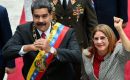
Bolivia escalates internal conflict into diplomatic clash with Colombia and divided regional backing
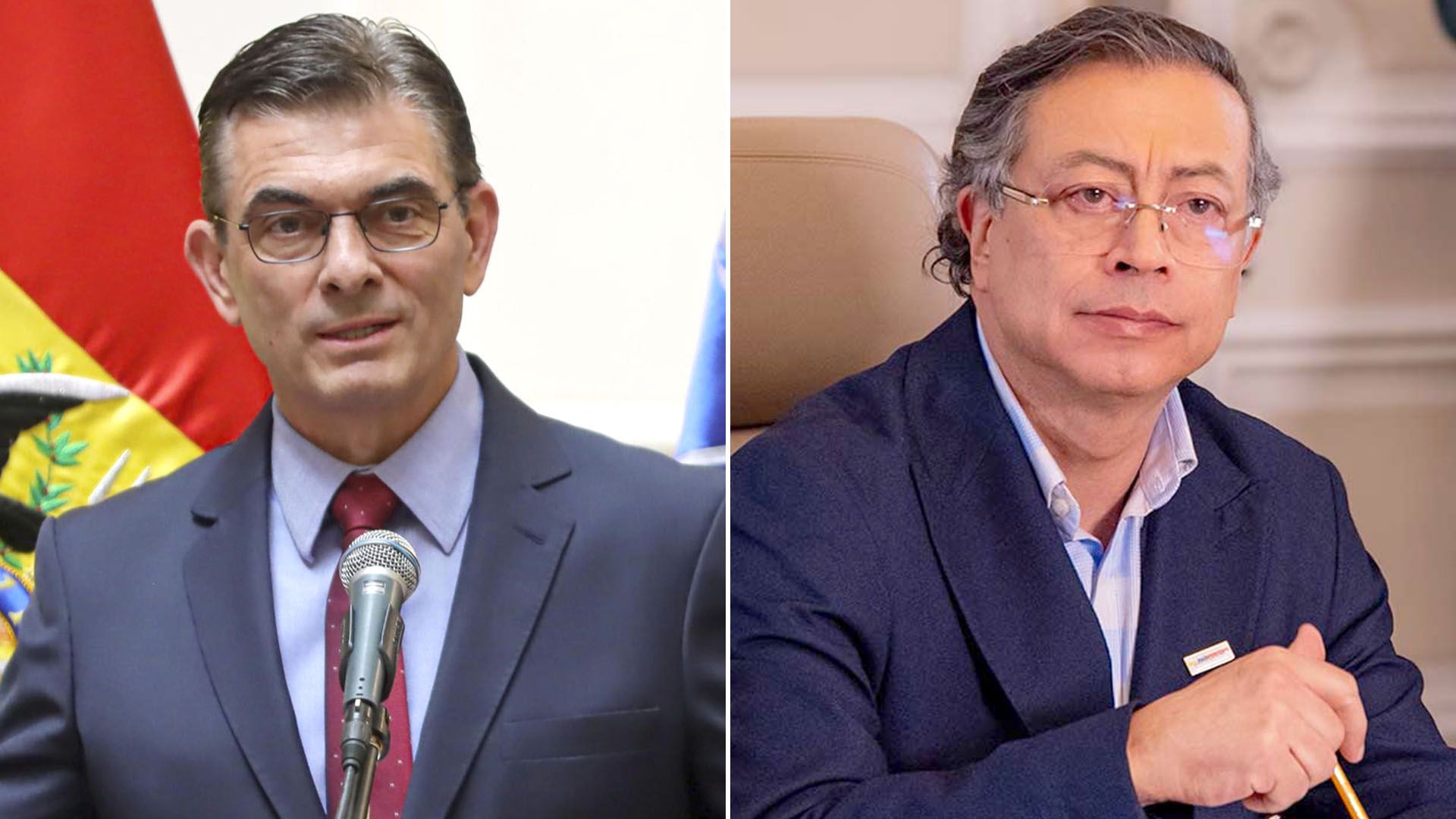 Petro responded to the expulsion by accusing the Bolivian executive of falling into “extremism” and warned of the risk of “a massacre” if no national dialogue is opened
 The political and social crisis that has been shaking Bolivia for 15 days escalated on Wednesday into a regional diplomatic confrontation, with the government of Rodrigo Paz expelling the Colombian ambassador to La Paz, Elizabeth García, denouncing before the Organization of American States an attempt at “institutional destabilization,” and receiving public backing from the United States and from several governments in the region. The decision was taken after Colombian President Gustavo Petro described the protests as a “popular insurrection” and said that in Bolivia “there is a people in the streets being killed,” statements considered “interfering” by La Paz.
Petro responded to the expulsion by accusing the Bolivian executive of falling into “extremism” and warned of the risk of “a massacre” if no national dialogue is opened. The United States, by contrast, offered categorical support to the Bolivian government. Secretary of State Marco Rubio said Washington “will not allow criminals and drug traffickers to overthrow democratically elected leaders,” while Deputy Secretary Christopher Landau even spoke of “a coup in progress.” Uruguay called for a peaceful resolution to the conflict and for preserving democratic institutions, while the Dominican Republic condemned any attempt to alter the constitutional order.

The protests, originating over wage demands,
fuel shortages and poor fuel quality, and rejection of several reforms,
are concentrated in the department of La Paz
On the domestic front, Paz announced a “reorganization” of the cabinet and the creation of an Economic and Social Council aimed at socializing official reforms and countering the accusations of privatization made by mobilized sectors. Foreign Minister Fernando Aramayo, who brought the case before the OAS Permanent Council, simultaneously asked President Petro for cooperation to have former president Evo Morales (2006-2019) appear before the justice system in the aggravated human trafficking case he faces. Morales has spent months entrenched in the Chapare, his coca-grower stronghold, protected by his supporters.
The protests, originating at the start of the month over wage demands, fuel shortages and poor fuel quality, and rejection of several reforms, are concentrated in the department of La Paz and have evolved into calls for the president's resignation, six months into his term. Monday saw the most violent day of the conflict, with clashes, looting, and attacks on journalists and ordinary citizens. The blockades keep the region partially isolated, have caused shortages of food, fuel, medicines, and hospital oxygen, and have doubled or tripled prices in popular markets. The government set up an airlift with the support of Argentine Hercules aircraft, personally authorized by President Javier Milei, to supply La Paz and El Alto. Paz on Wednesday sought to lower tensions with Buenos Aires after an unsubstantiated claim by Morales that those Argentine aircraft were transporting troops and “repressive material.”


Top Comments
Disclaimer & comment rulesCommenting for this story is now closed.
If you have a Facebook account, become a fan and comment on our Facebook Page!