MercoPress. South Atlantic News Agency



Paz promulgates law authorizing Armed Forces to intervene in Bolivia's internal conflicts
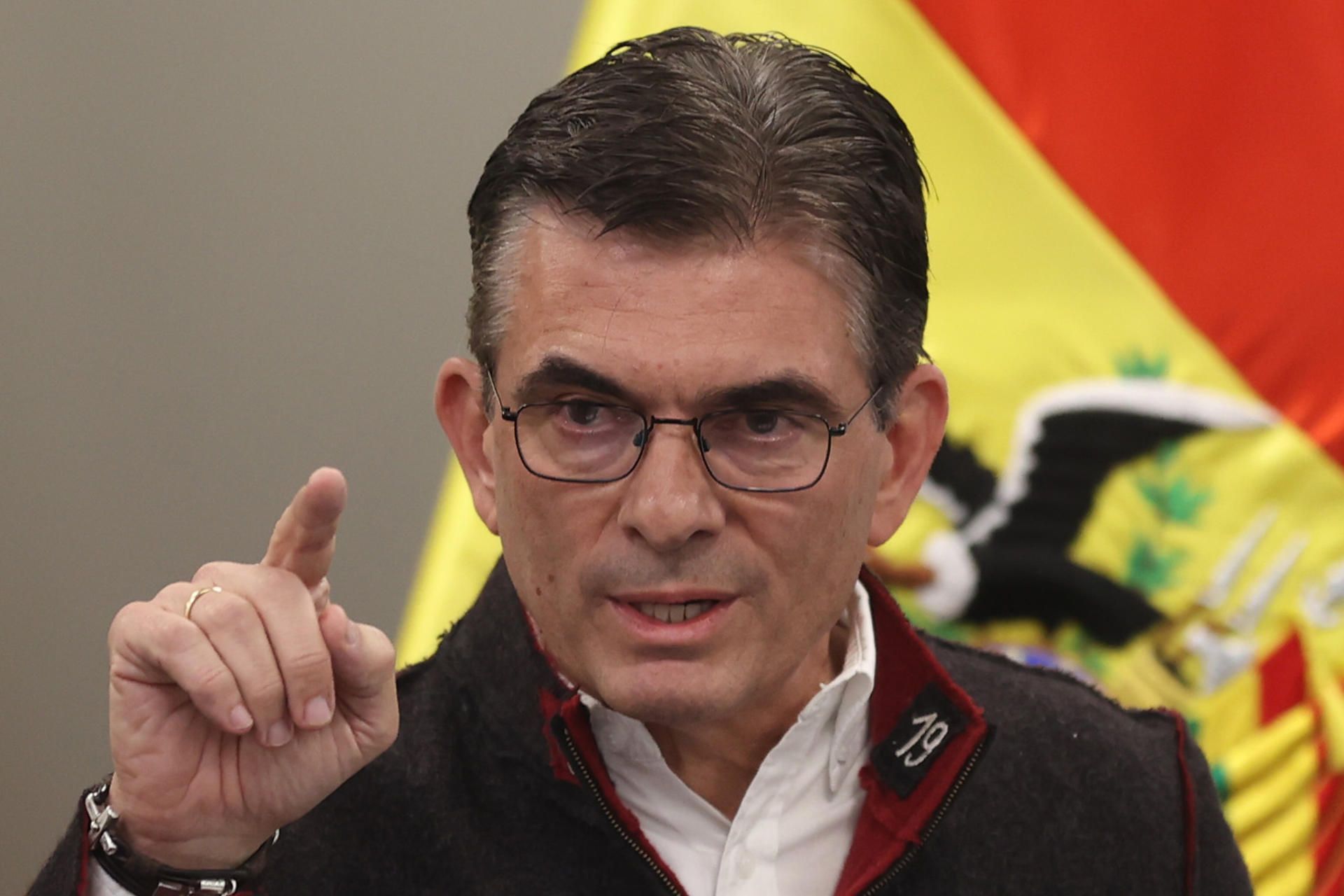 The new law repeals Law 1341, a norm that had entered into force toward the end of Jeanine Áñez's transitional presidency in 2020
 Bolivian President Rodrigo Paz on Wednesday promulgated Law 1731, a measure that removes existing restrictions on the intervention of the Armed Forces in the country's internal conflicts. The signing of the document, which took place past midnight, comes after nearly a month of road blockades led by sectors demanding his resignation, and raises pressure on the president to authorize the deployment of the military on the streets and roads of Bolivia.
The new law repeals Law 1341, a norm that had entered into force toward the end of Jeanine Áñez's transitional presidency in 2020, promoted by the then-Congress controlled by lawmakers of the Movement Toward Socialism (MAS) after the harsh crackdowns of the transitional government against demonstrators protesting the ouster of former president Evo Morales (2006-2019). That legislation functioned as a constraint on the Executive during states of emergency, and included time limits and the condition that the Army could intervene only if the Police was overwhelmed by circumstances.
The Chamber of Deputies passed Law 1731 with a two-thirds majority following an almost five-hour debate, shortly before the Executive signed it into force. Lawmakers who backed the repeal justified the measure as a necessary instrument to “restore order” in a country wracked by protests from popular sectors and social movements demanding the president's resignation, amid an economic crisis with year-on-year inflation of 14% and critical shortages in La Paz and El Alto. “A legitimate government has been elected and the rupture of the constitutional and democratic order is underway,” said legislator Carlos Alarcón, of the right-wing Unidad bench, allied with the government, who promoted the repeal. The lawmaker attributed the mobilizations to the “personal appetites” of former president Morales and his entourage.
Over the past eight days three confrontations were recorded in central La Paz between demonstrators and police, in an escalation of violence that took the life of one protester. The government additionally holds those maintaining the road blockades responsible for the indirect deaths of four people who could not access timely medical care because of the cuts. The protests, originating at the start of May over wage demands and fuel shortages and poor fuel quality, evolved into calls for the president's resignation six months into his term, and are concentrated mainly in the Andean zone, with their epicenter in the department of La Paz.
The president's attempts to open dialogue tables have repeatedly failed. The new law comes after two joint Police and Armed Forces operations that failed to clear the blocked trunk roads, and as former president Morales, a fugitive in the Chapare facing a judicial process for alleged aggravated trafficking of minors, publicly demands the calling of general elections within ninety days.


Top Comments
Disclaimer & comment rulesCommenting for this story is now closed.
If you have a Facebook account, become a fan and comment on our Facebook Page!