MercoPress. South Atlantic News Agency


Leftist Iván Cepeda leads in early bulletins of Colombia's presidential first round
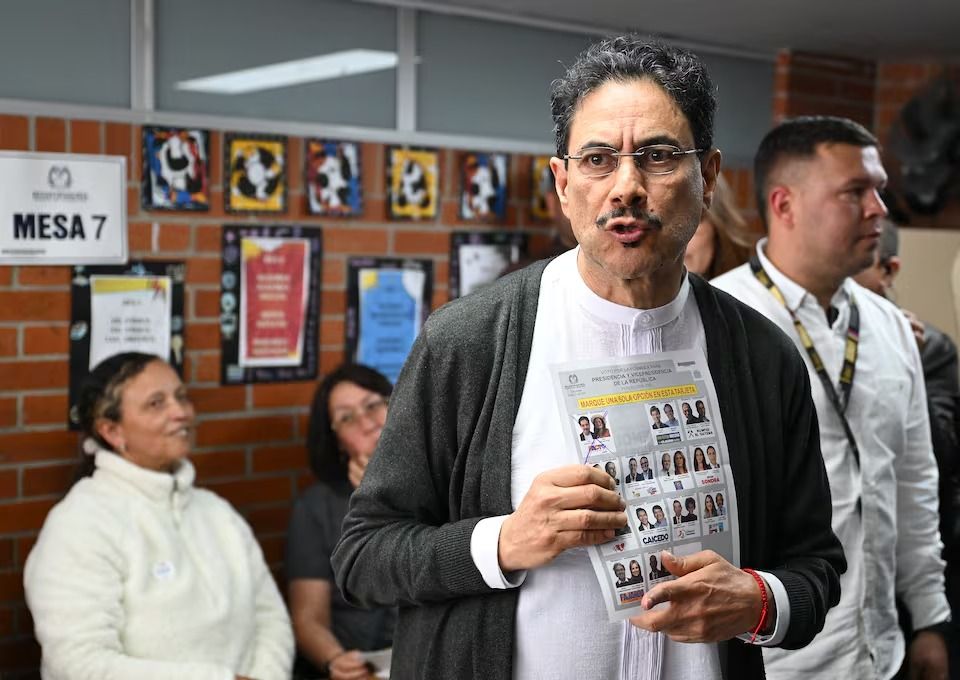 “We are convinced that this afternoon we will celebrate the second progressive government in Colombia,” the senator said
 Leftist senator Iván Cepeda, candidate of the ruling Pacto Histórico coalition, was leading on Sunday in the early bulletins of the count in the first round of Colombia's presidential elections, in which the electorate was to choose the successor of current President Gustavo Petro. With just 1% of the polling stations counted, according to data released by the National Registry Office, Cepeda was obtaining around 47% of the votes, followed by far-right lawyer Abelardo de la Espriella, of the Defensores de la Patria movement, with close to 40%. Right-wing uribista senator Paloma Valencia, of the Centro Democrático, registered around 6%. The effective electoral turnout will be known over the coming hours, in a country with more than 41 million eligible voters and a long historical pattern of high abstention.
The National Registry Office stated that the electoral day proceeded “with normality and full guarantees” across Colombian territory. “Once again we have delivered to the country with the organization of elections with full guarantees for all and with impeccable electoral logistics,” National Registrar Hernán Penagos said at a press conference, after the urns closed at four in the afternoon local time. The day involved 122,020 polling tables distributed throughout the country. If no candidate exceeds 50% of valid votes, the top two will contest a runoff on 21 June.
Cepeda cast his vote in the Kennedy neighborhood, in southern Bogotá, where he was born and within a few blocks of the location where his father was assassinated twenty-six years ago. “We are convinced that this afternoon we will celebrate the second progressive government in Colombia,” the senator said, having framed his candidacy as a continuation of Petro's project. De la Espriella voted in his city of residence, Barranquilla, where he has his campaign headquarters, and posted a video on social media in which he warned without evidence of a possible collapse of the electoral system. Valencia, for her part, traveled to Rionegro, Antioquia, where she accompanied former president Álvaro Uribe to vote, her principal political reference. The uribista candidate argued from Bogotá that “illegal groups” were pressuring Colombians to vote for Cepeda, an allegation she has made repeatedly without presenting evidence and that the Pacto Histórico candidate has asked her to rectify.
The day was marked by sensitive institutional episodes. The Inspector General's Office opened an investigation against Labor Minister Antonio Sanguino for alleged political participation during a speech delivered in Valledupar. President Petro publicly displayed his electoral ballot in an act that could add to the ten investigations he already faces before the Accusations Committee of the Chamber of Representatives. Interior Minister Armando Benedetti did the same and revealed his vote for Cepeda. US-Colombian Senator Bernie Moreno attended as an electoral observer, invited by the National Electoral Council, who assessed the conduct of the day with the phrase “so far, so good.” The definitive figures will arrive over the course of Sunday night, once the National Registry Office incorporates the full set of polling station records into the count.


Top Comments
Disclaimer & comment rulesCommenting for this story is now closed.
If you have a Facebook account, become a fan and comment on our Facebook Page!