MercoPress. South Atlantic News Agency


Venezuela moves to open its power sector to private investment after years of blackouts
 The system, which prior to 2007 operated under a mixed and regionalized model, began to deteriorate due to a lack of maintenance and new investment
 Venezuela's National Assembly gave initial approval to a reform of the electricity law that opens the sector to private investment through long-term concessions, in an effort to reverse the collapse of a service battered by blackouts for two decades. The measure ends the monopoly held for more than 15 years by the state-owned National Electric Corporation (Corpoelec), though it still requires a second debate and final ratification in the coming days.
The text allows private companies, mixed enterprises and firms with minority state ownership to take part across all chains of the service, alongside the state. It also provides for an overhaul of the tariff scheme —with rates that reflect the real cost of service and allow a reasonable return— the end of long-standing subsidies, and the operational decentralization of Corpoelec.
The reform is part of the economic opening Venezuela has pursued since Delcy Rodríguez became acting president in January, after Nicolás Maduro was removed from power in a US operation. The process, which has already reached the hydrocarbons and mining frameworks, has the explicit backing of Donald Trump's administration, which argues the changes will revive commercial activity to the benefit of US companies and the Venezuelan population.
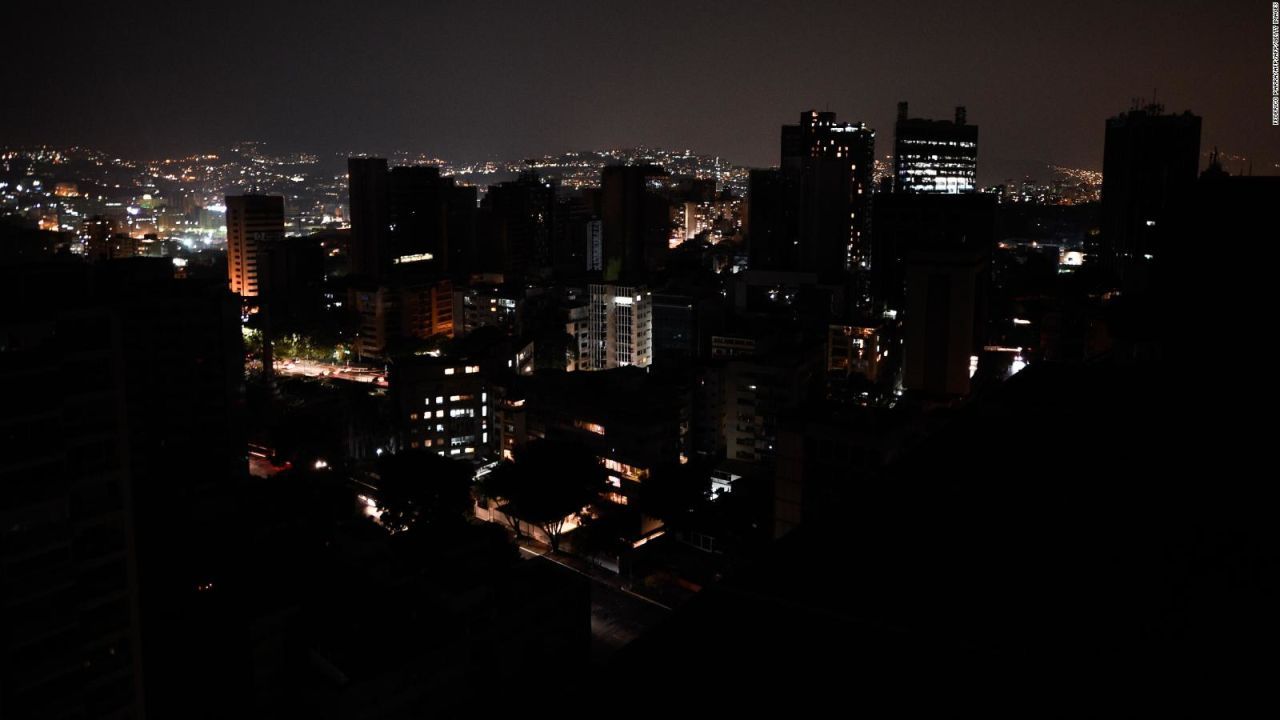
The electricity crisis spans some 20 years. Corpoelec was created by decree of Hugo Chávez in 2007, alongside the nationalization of Electricidad de Caracas, one of the country's oldest companies. The system, which had operated under a mixed and regionalized scheme, began to falter from a lack of maintenance and new investment. In 2009, a severe drought left the Guri hydroelectric plant at critical levels and ushered in a routine of rationing. It was followed by the first major national blackout in 2013 —which left 80% of the country without power for more than a day— and, in March 2019, the longest in Venezuelan history, lasting six days, which crippled water, telecommunications and health services.
Among the episodes of those years was the scandal involving the firm Derwick, which received more than 2 billion dollars in direct awards to buy obsolete and overbilled equipment, according to reports by Transparencia Internacional Venezuela. The government at the time attributed the 2019 blackout to an alleged “international attack” by US intelligence services.
Today, the structural failures persist: in Zulia and the Andes, outages last up to eight hours a day, while Caracas, Guayana and the east of the country maintain a more stable supply. For experts, the service's shortcomings are a “bottleneck” for the recovery of the oil, gas and steel industries.


Top Comments
Disclaimer & comment rulesCommenting for this story is now closed.
If you have a Facebook account, become a fan and comment on our Facebook Page!