MercoPress. South Atlantic News Agency



EU mission praises transparency in Peru's runoff but criticizes the slow count
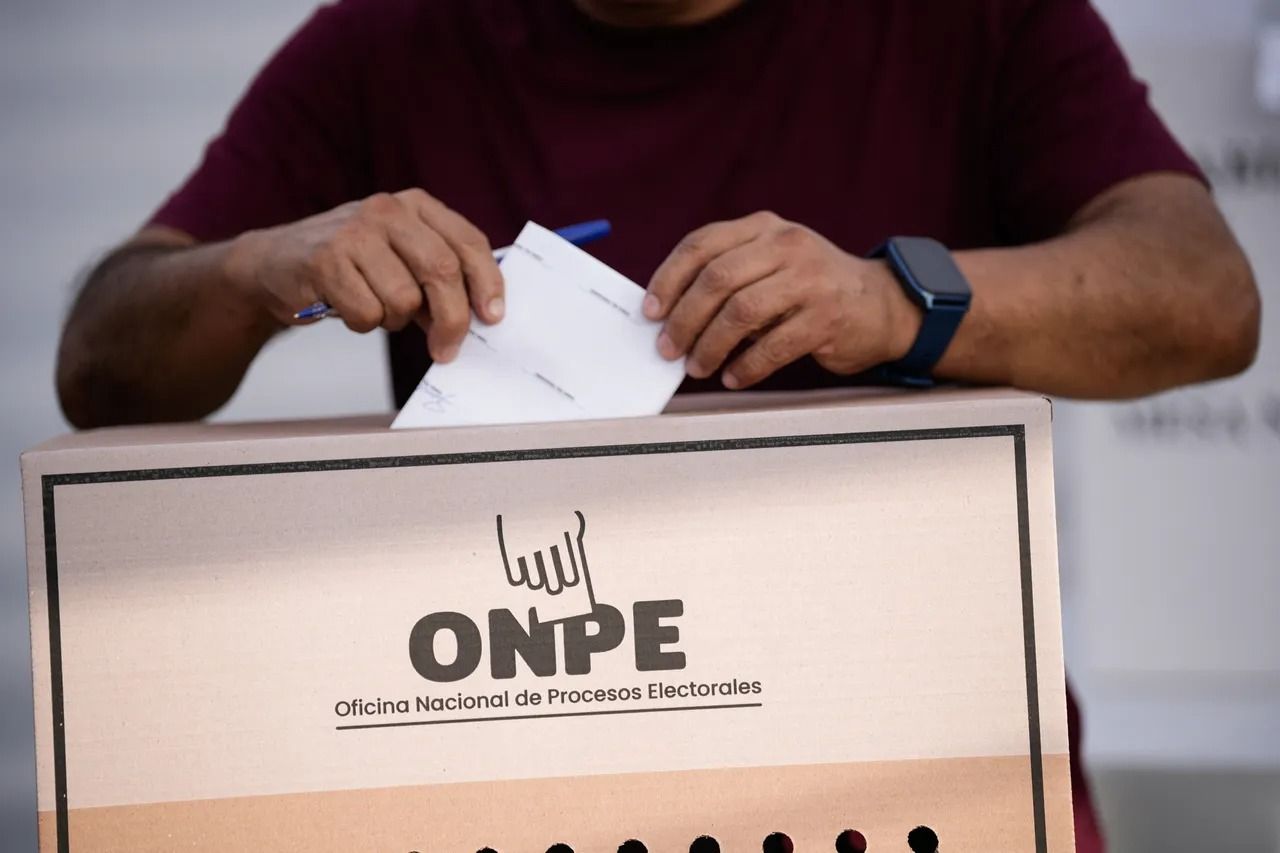 The mission nonetheless noted delays of up to an hour in the opening of polling tables in Lima, mainly due to the absence of their members
 The European Union (EU) election observation mission in Peru highlighted the order and transparency of Sunday's presidential runoff, though it criticized the slowness in proclaiming the results and warned of episodes of racism and discrimination during the campaign. The head of the mission, Italian MEP Annalisa Corrado, asked Peruvians to wait patiently, at a time when, with about 96% of the count completed, conservative Keiko Fujimori and leftist Roberto Sánchez remain in a technical tie.
“The organization of the elections was carried out adequately. The election day unfolded in a calm and orderly atmosphere, although with some isolated incidents, and the EU observers viewed the voting and counting processes positively,” Corrado said at a press conference. The mission nonetheless noted delays of up to an hour in the opening of polling tables in Lima, mainly due to the absence of their members, and considered that there is still room to improve their training. In this round, it stressed, electoral material was distributed on time and the National Office of Electoral Processes (ONPE) redoubled its logistical efforts.
The head of the European Parliament delegation, Davor Ivo Stier, focused his objections on the delay. “We are concerned about the slowness of the electoral process in proclaiming the results, which, far from being a safeguard, creates a climate of greater distrust and unease among the population. This is something that can be improved,” he said, and expressed hope that the delay “does not encourage talk of fraud.” Corrado warned that the period between the two rounds was marked by “a persistent narrative of fraud” from far-right ex-candidate Rafael López Aliaga, fueled by the logistical problems of the April 12 first round.
The mission held that the “serious irregularities” detected in that vote —over delays in the arrival of electoral material in Lima— increased distrust toward the electoral authorities, and expressed its hope that the ongoing investigations would clarify responsibilities.
Corrado also said the campaign, “of low intensity,” largely unfolded peacefully, “although cases of racism and discrimination were recorded,” directed mainly against Sánchez's vice-presidential candidates, Analí Huanca and Brígida Curo. Stier added that both candidates suffered attacks, especially on social media, “including of a racist nature.” The mission added that state media maintained “neutral and balanced” coverage, while that of most private media was “systematically negative” against Sánchez and his party, Juntos por el Perú.


Top Comments
Disclaimer & comment rulesCommenting for this story is now closed.
If you have a Facebook account, become a fan and comment on our Facebook Page!