MercoPress. South Atlantic News Agency



Brazil's lower-house committee approves lowering the age of criminal responsibility to 16
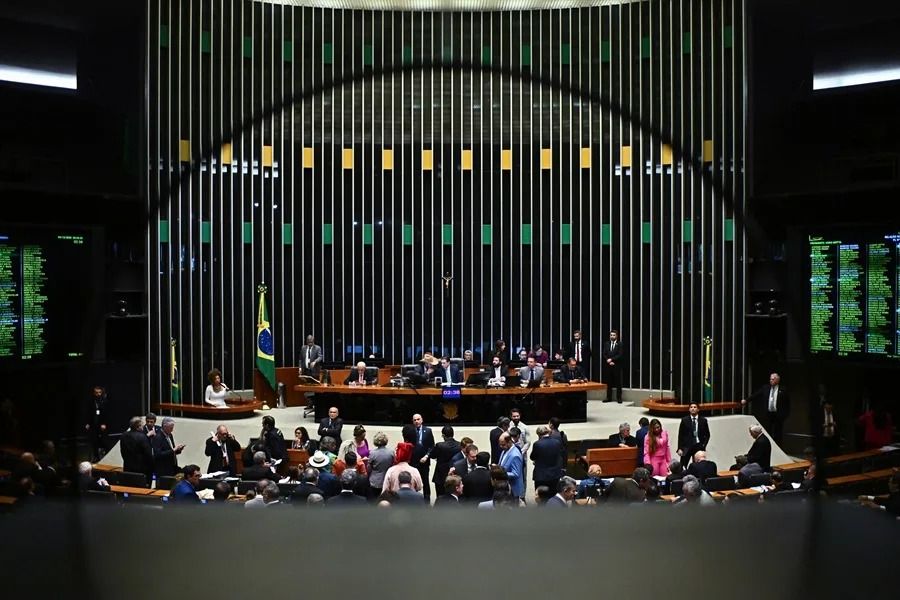 The initiative resurfaces in an election year, with general elections in October. President Luiz Inácio Lula da Silva opposes the measure, while the right is championing it
 The Constitution, Justice and Citizenship Committee (CCJ) of Brazil's Chamber of Deputies approved on Wednesday, by 44 votes to 18, the constitutional amendment proposal seeking to reduce the age of criminal responsibility from 18 to 16. The approval, however, is only the first step in a long process before the measure could become law.
The text does not go immediately to the floor. The next step is the creation of a temporary special committee that will examine the substance of the proposal, may hold public hearings, suggest modifications and vote on a final report. If it approves the text, the bill will go to the Chamber floor, where, as a constitutional amendment, it will need the backing of at least three-fifths of the deputies —308 of 513— in two rounds of voting. Should it clear that stage, the matter will pass to the Senate, where it will follow a similar procedure.
PEC 32/2015 was introduced in May 2015 by then-deputy Gonzaga Patriota and other lawmakers, with the aim of establishing “full civil and criminal majority at 16.” Over eleven years it had at least three rapporteurs and was even shelved in 2019. The debate intensified in recent months: in late May, the current rapporteur, deputy Coronel Assis, completed his opinion favorable to the proposal's legal admissibility, and the final vote took place after requests to postpone it by the opposition were rejected. Although the original bill envisaged full majority, the substitute preserves the current civil rules: electoral registration and voting remain optional at 16 and mandatory only from 18.
The initiative resurfaces in an election year, with general elections in October. President Luiz Inácio Lula da Silva opposes the measure, while the right is championing it; Senator Flávio Bolsonaro, son of former President Jair Bolsonaro, called for “no more tolerance” toward those who use their age to commit crimes. The Human Rights Ministry argued that lowering the age of criminal responsibility would be “ineffective” in tackling violence. A May poll by the Real Time Big Data institute found that 90% of Brazilians support the change.
During the committee's deliberation, deputies in favor argued that the measure responds to social demands for public security and criminal accountability. Those against held that the reduction violates fundamental rights enshrined in the Constitution and defended a focus on educational public policies. At present, those under 18 who commit serious crimes, such as homicide or rape, are sent to a special juvenile detention system. Homicides in Brazil fell to their lowest level in more than a decade, with about 44,000 recorded in 2024.


Top Comments
Disclaimer & comment rulesCommenting for this story is now closed.
If you have a Facebook account, become a fan and comment on our Facebook Page!