MercoPress. South Atlantic News Agency

US and Iran trade fire for a second night as Tehran says it has closed Hormuz
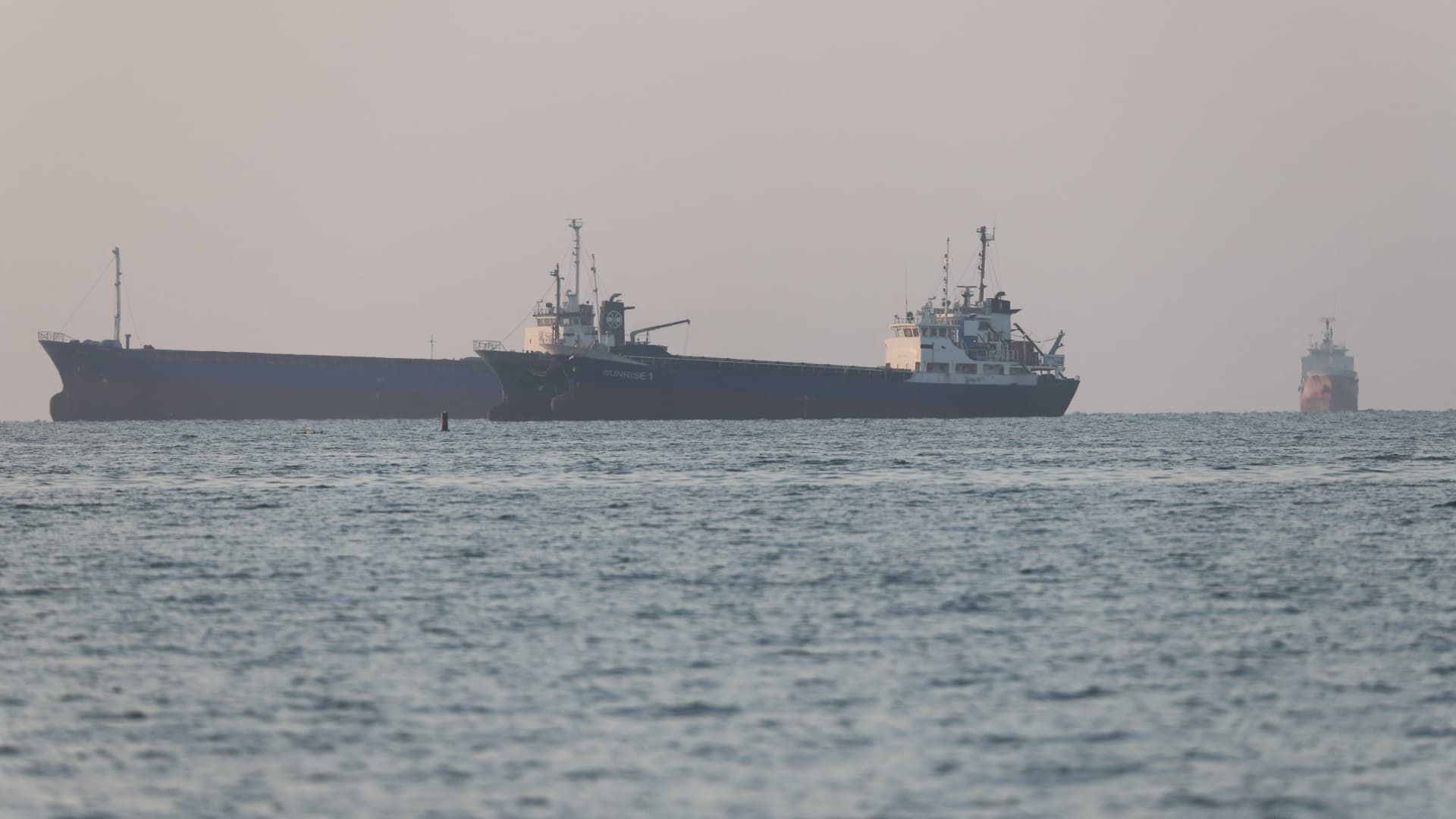 Iran's General Staff declared Hormuz “closed” to all traffic and warned it would fire on any vessel, while the United States maintained that transit continues
 The United States and Iran traded fire for a second consecutive night, in what amounts to a more dangerous phase of the war in the Persian Gulf and raises the prospect of a return to open hostilities. As US forces again struck Iranian targets, the Revolutionary Guard said it had hit bases with a US presence in the region, and Iran's General Staff announced the “absolute” closure of the Strait of Hormuz. President Donald Trump threatened new strikes on Thursday if Tehran does not accept his conditions for peace.
According to Central Command (Centcom), US forces fired “precision munitions” against air-defense, communications and surveillance systems, first in southern Iran and then in western Tehran. The command described the operation as “self-defense” and “in response to Iran's continued and unjustified aggression.” Iranian state media reported explosions in several southern cities; Tehran said the bombings destroyed two water reservoirs and damaged a telecommunications tower, with at least two people wounded.
In retaliation, the Revolutionary Guard said it had struck US bases in Bahrain, Kuwait and Jordan with drones and missiles, and had hit two oil tankers in Hormuz; the Pentagon did not confirm those claims. In Bahrain, an 11-year-old girl suffered minor injuries from falling debris of intercepted drones, and Kuwait temporarily closed its airspace. The Guard's aerospace commander, General Majid Mousavi, threatened to turn the region “into hell.”
Iran's General Staff declared Hormuz “closed” to all traffic and warned it would fire on any vessel, while the United States maintained that transit continues. About 25% of the world's seaborne oil passes through the strait.
Trump, who accused Iran of “taking us for fools” and of dragging out the negotiations, announced the second round of strikes from the White House and threatened to hit “very hard.” Defense Secretary Pete Hegseth backed that line: “If we need to negotiate with bombs, we will negotiate with bombs,” he said. The president is also acting under pressure from inflation of 4.2%, the highest in three years.
Although the talks remain in place in theory, deep differences persist: Iran demands sanctions relief and the unfreezing of funds, which Washington rejects, while Trump insists that Tehran give up key aspects of its nuclear program. A delegation from Qatar, a mediating country, left Tehran without progress. The analyst Rosemary Kelanic, of the think tank Defence Priorities, warned that strikes “alone cannot force concessions.” The war is in its 104th day.


Top Comments
Disclaimer & comment rulesCommenting for this story is now closed.
If you have a Facebook account, become a fan and comment on our Facebook Page!