MercoPress. South Atlantic News Agency



Uruguay to add AI to environmental controls and seeks a new environmental-crimes law
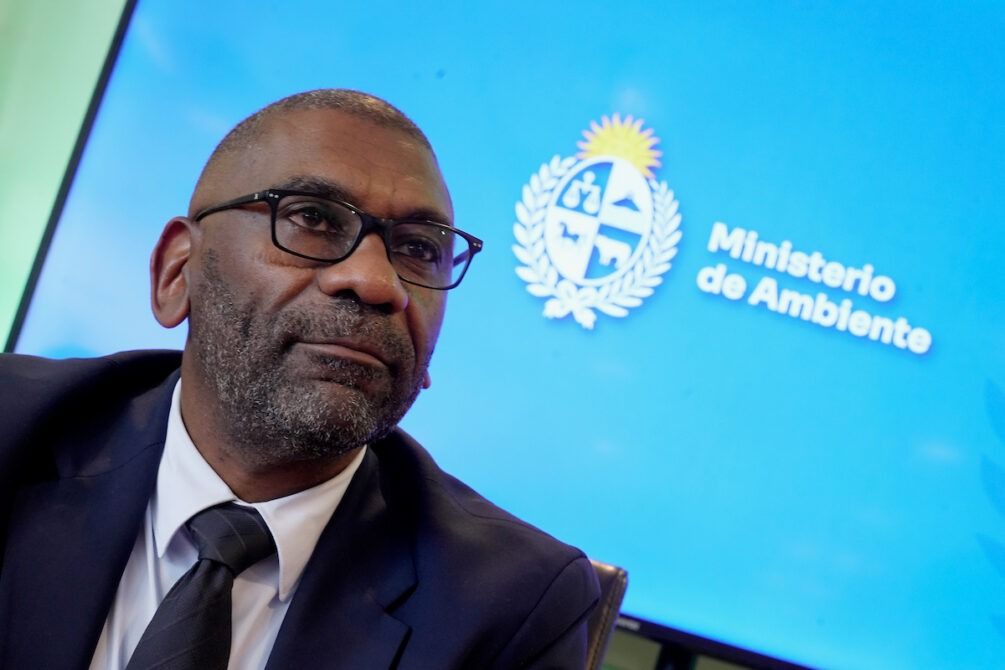 In Minister Ortuño's view, the increase in administrative sanctions set by the recent fines decree “must be complemented by the incorporation into the Penal Code of a chapter on environmental crimes”
 Uruguay's Environment Minister, Edgardo Ortuño, said the ministry will incorporate artificial intelligence (AI) into environmental controls and push for a new environmental-crimes law, among the priorities he outlined ahead of the budget review (Rendición de Cuentas) that the Executive will present to Parliament on June 30.
In an interview with Montevideo Portal, Ortuño explained that the ministry seeks to strengthen the incorporation of technology to “improve the capacity for inspection, control and management of environmental procedures.” “We are planning, for this year, the digitalization of six procedures that will be able to be carried out 100% online and the incorporation of artificial intelligence at the service of controls and the management of procedures,” he said. He added that an agreement with the University of the Republic (Udelar) —the faculties of Engineering, Social Sciences and Information and Communication— was “ready” to be signed, to obtain scientific and technical support. The minister framed those plans within a budget process in which the government prioritizes security and social areas, such as early childhood and homeless people.
The minister said the year's “fundamental objective” is to introduce a new environmental-crimes law. In his view, the increase in administrative sanctions set by the recent fines decree “must be complemented by the incorporation into the Penal Code of a chapter on environmental crimes.”
Ortuño also referred to the ministry's main projects. On the Casupá dam, in the department of Florida —an alternative to the cancelled Neptuno project— he said the tender call would begin in June and that works could start in 2027. The initiative, he held, seeks to secure the drinking-water supply of the metropolitan area with a horizon to 2050, a need that, he said, “was demonstrated” by the 2023 water crisis. The environmental-impact studies are being updated with the ministry's technical teams, Udelar specialists and a team of Argentine engineers.
Regarding the seismic prospecting for oil in Uruguayan waters, under way since early 2026 and which environmental organizations challenged unsuccessfully in court, the minister defended the safeguards applied: he said the marine-fauna protection area had been doubled and that the vessels operate with six observers and inspectors from the ministry on board. He cited Norway as an example of a country that “reconciles” oil extraction with environmental protection. Ortuño also backed President Yamandú Orsi over the controversial purchase of a pickup truck, considering that his response was “in keeping with the honesty” he attributes to him.


Top Comments
Disclaimer & comment rulesCommenting for this story is now closed.
If you have a Facebook account, become a fan and comment on our Facebook Page!