MercoPress. South Atlantic News Agency


Falklands pause Loligo squid fishing for two weeks over low biomass
 The decision was taken after consultation with the industry and reflects, according to the official statement, a shared view that a temporary cessation is the most appropriate course of action
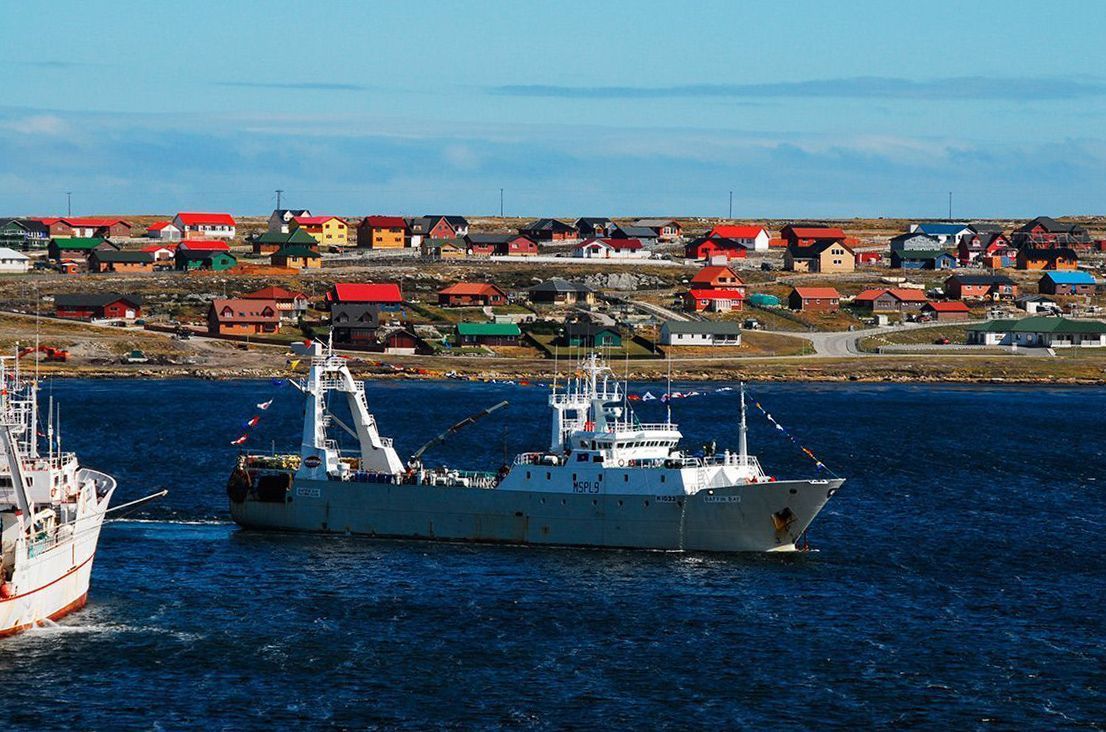
 The Falkland Islands Fisheries Department announced on Wednesday that fishing within the Loligo Box will be paused for around two weeks as a precautionary measure, following low Loligo squid biomass in the area.
The decision was taken after consultation with the fishing industry and reflects, according to the official statement, a shared view that a temporary cessation is the most appropriate course of action. The Department coordinated a series of targeted trawls by the commercial fleet across the area on Wednesday, aimed at obtaining more precise information on the distribution of the stock. There were no public statements from the sector.
“This precautionary approach reflects the Department's commitment to the long-term stock sustainability and responsible management of the fishery,” the text says, adding that further updates will follow once more information is available.
Loligo squid, also known as Patagonian squid, is one of the main sources of income for the Falklands. Spain controls much of the world's catch of the species, mainly through the roughly sixteen licences the Islands grant to fish in their waters, with volumes close to 50,000 tonnes a year.
The pre-season survey carried out by the M/V Monteferro between February 3 and 18 had estimated biomass at around 41,725 tonnes, with a reliable range of between 34,726 and 60,190, a figure considered sufficient to sustain a commercial season. That survey already showed a markedly uneven distribution: 38,134 tonnes south of the Loligo Box against 3,591 tonnes in the northern zone, where around half the specimens sampled were at a very early stage of maturity.
The pause also comes after an unfavorable cycle in the archipelago's other squid fishery. The Illex season closed on June 22 with catches well below the ten-year average and against a backdrop of rising fuel costs, although the Fisheries Department and the Falkland Islands Fishing Companies Association agreed at the time that this was not an immediate cause for concern.
Squid in the southwest Atlantic is under growing pressure. Fishing effort by the Chinese fleet in the region rose 85% between 2019 and 2024, and between 300 and 500 foreign-flagged vessels operate along the outer edge of Argentina's exclusive economic zone. Argentina, which maintains a sovereignty claim over the archipelago, questions the licensing regime the Islands administer. In July, Buenos Aires enacted its accession to the FAO Port State Measures Agreement, the only binding international instrument specifically designed to combat illegal, unreported and unregulated fishing.


Top Comments
Disclaimer & comment rulesCommenting for this story is now closed.
If you have a Facebook account, become a fan and comment on our Facebook Page!