MercoPress. South Atlantic News Agency
Venezuela's earthquake tests US assistance to the interim government it helped install
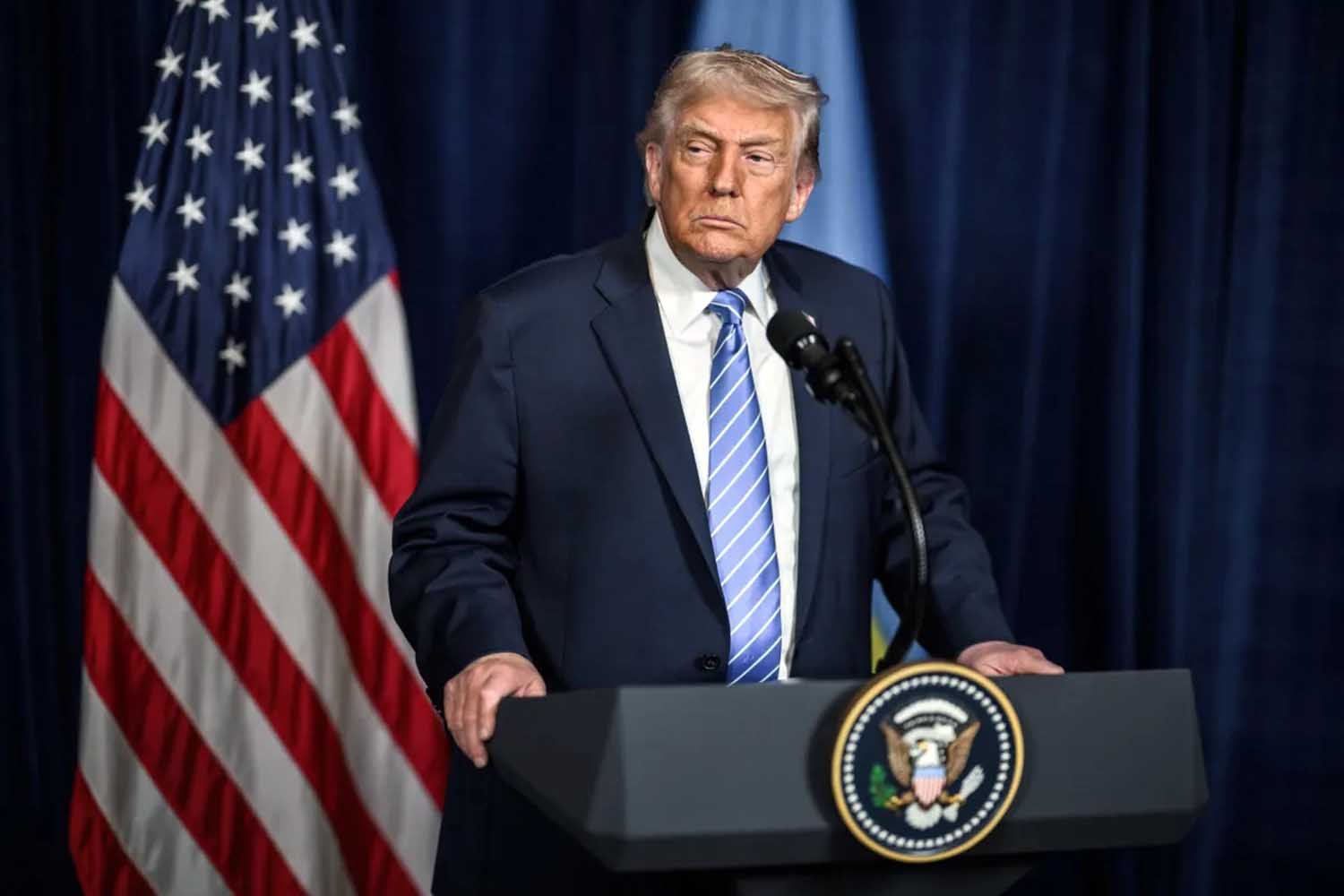 Donald Trump offered help in a message on his social network in which he said his country stands “ready, willing, and able,” and instructed “all agencies” of the government to act quickly
 The twin earthquake that struck north-central Venezuela has become the first major test of US assistance to the interim government of Delcy Rodríguez, installed after the capture of former president Nicolás Maduro in a US military operation in January. Washington mobilized rescue teams and supplies for a country with which, until half a year ago, it maintained no cooperative relations.
US President Donald Trump offered help in a message on his social network in which he said his country stands “ready, willing, and able,” and instructed “all agencies” of the government to act quickly. “We will be there for our new and great friends,” he wrote, anticipating that the first reports “are not good.” The State Department activated a task force and, according to official Jeremy Lewin, is sending “search-and-rescue teams, medical and humanitarian supplies.” The acting president said that rescuers from the United States would arrive in the coming hours, along with those from Mexico, El Salvador, Qatar and the Dominican Republic.
The deployment illustrates the shift in the bilateral relationship. After the military intervention that captured Maduro, Trump promoted a tutored transition, and Secretary of State Marco Rubio outlined a “three-phase” plan —stabilization, recovery and transition toward elections. Trump himself, who in the past called the Chavista government illegitimate, has in recent months displayed his understanding with Rodríguez and, a day before the quake, said the country was “doing great.” The emergency now forces that cooperation to be tested on the ground.
The humanitarian context is delicate even before the catastrophe. Venezuela has endured a protracted crisis, with food insecurity, a weakened health system and more than 7.7 million people who have emigrated over the past decade. Those shortfalls constrain the capacity to respond to a large-scale disaster.
According to the first official toll, given by Rodríguez, the magnitude 7.2 and 7.5 earthquakes left at least 32 dead —not yet including La Guaira state, the hardest hit— and more than 700 injured, a figure she warned would rise. The US Geological Survey, through its PAGER rapid-assessment system, estimated a probability of close to 40% that the death toll would fall between 10,000 and 100,000; this is a statistical model based on intensity, exposed population and the vulnerability of buildings, not a count. The definitive toll will depend on the progress of rescue work, in which international assistance, and US aid in particular, will play a central role.


Top Comments
Disclaimer & comment rulesCommenting for this story is now closed.
If you have a Facebook account, become a fan and comment on our Facebook Page!