MercoPress. South Atlantic News Agency
Venezuela shifts to clearing rubble and recovering bodies as rescue teams depart
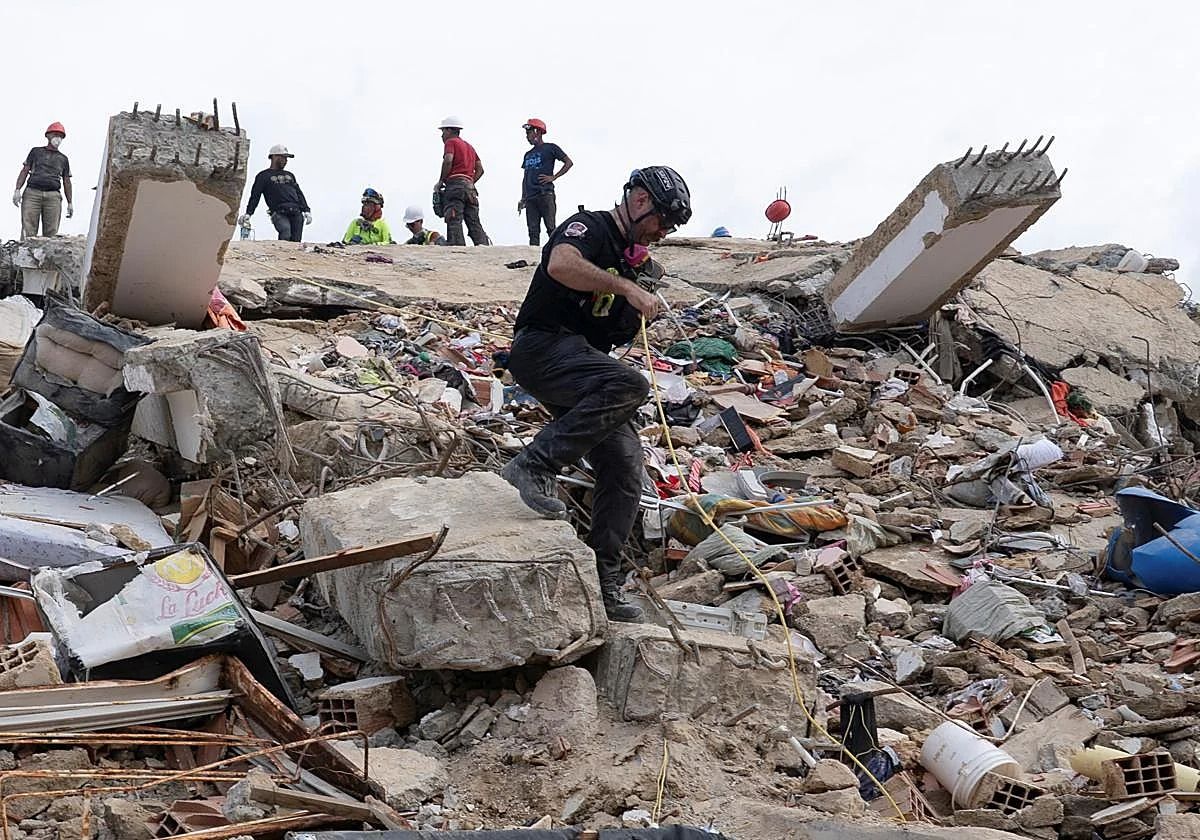 Managing the rubble is emerging as one of the main challenges
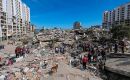
 Venezuela entered a new stage in its response to the June 24 twin earthquake, focused on clearing rubble and recovering bodies, after the departure of nearly all international rescue teams. In the streets of La Guaira, the hardest-hit area, dozens of machines arrived in recent hours to speed up those tasks, which now fall mainly to Venezuelan volunteers, firefighters, civil defense and residents. The official toll stands at 2,954 dead and more than 16,500 injured.
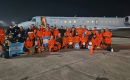
Coordination of operations was transferred on Friday from the UN to Venezuela's Civil Protection, a change marking the shift from the search for survivors to the recovery phase. “From the seventh, the teams begin to demobilize, though there are still teams that arrived later and continue, mainly from Latin America,” Sebastián Mocarquer, of the United Nations Disaster Assessment and Coordination team, told the EFE news agency. Of the 77 teams that came from 31 countries, 25 remain operational, though most are now working alongside local brigades in recovering bodies. Acting President Delcy Rodríguez bid farewell to and decorated rescuers from close to 30 countries.
Managing the rubble is emerging as one of the main challenges. On July 1, the government put at 1.25 million tons the debris generated in the town of Caraballeda alone, one of the worst affected, where the quakes damaged 856 buildings, 190 of which collapsed. On the main streets, empty trucks wait in line while excavators pile the debris in vacant lots and around buildings. “The scale of the destruction is staggering. There is also the matter of managing the rubble, what to do with it,” said Veronique Durroux, spokesperson for the UN Office for the Coordination of Humanitarian Affairs (OCHA).
The disaster is also reshaping the population. Durroux said growing numbers of people are moving to unaffected states, such as Táchira, Zulia and Delta Amacuro. In the worst-hit areas, many relatives remain beside the collapsed buildings, unwilling to leave as they await the recovery of their loved ones. In Playa Grande, Mariana Hernández said she had spent eleven days waiting for four of her relatives, trapped in a twelve-story building, to be recovered, and explained that those working at the site were mostly relatives of the victims and helpers who had come from other parts of the country.
Casualty figures remain provisional and could rise as debris removal advances. The number of missing remains the subject of conflicting estimates: international bodies calculate that tens of thousands of people may still be unaccounted for, while the authorities use lower figures. Independent verification on the ground has been limited by the damage and restrictions on access to the worst-hit areas.


Top Comments
Disclaimer & comment rulesNo comments for this story
Please log in or register (it’s free!) to comment. Login with Facebook