MercoPress. South Atlantic News Agency


Argentina's foreign minister calls for talks, says Islanders cannot decide sovereignty
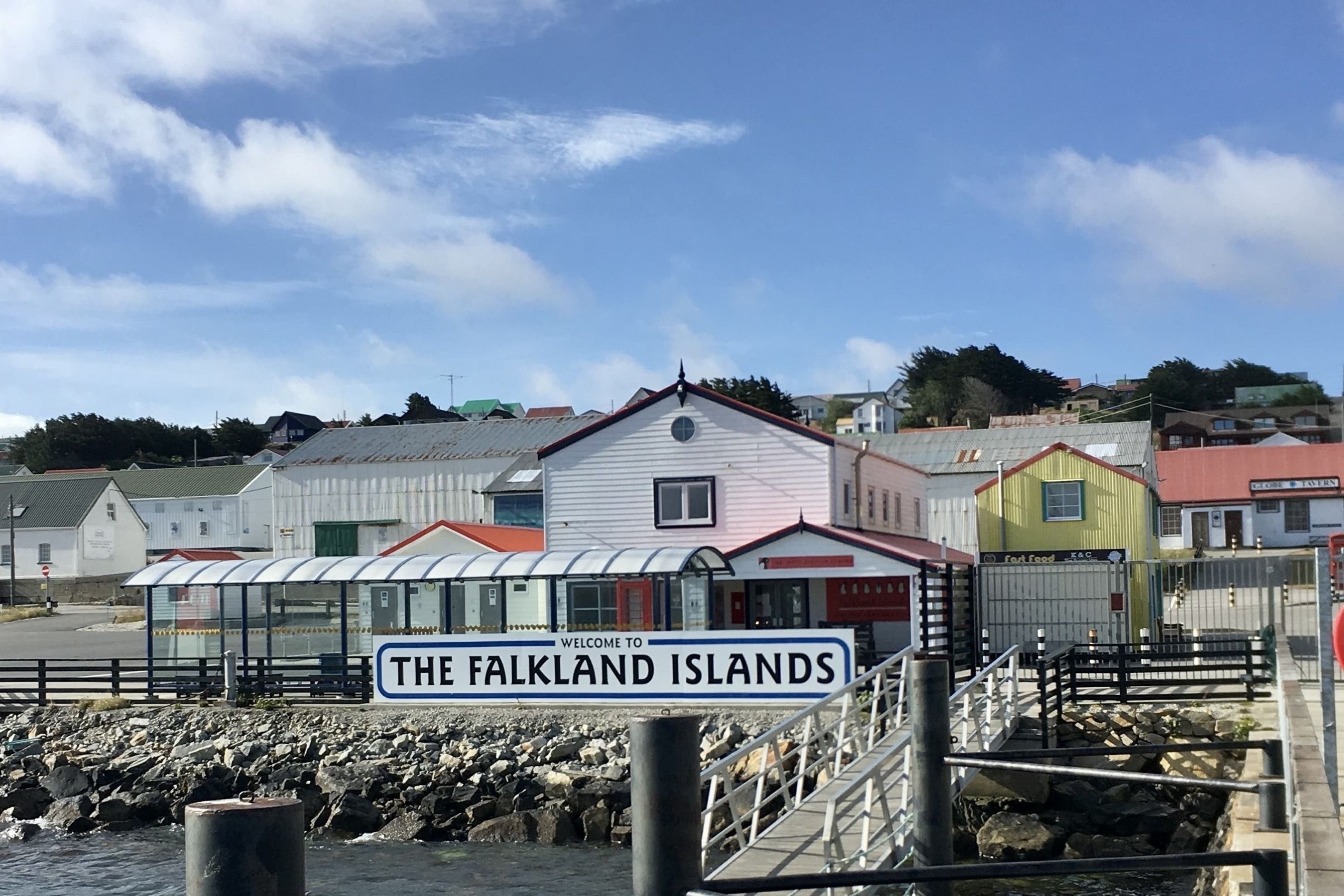 A spokesperson for Prime Minister Keir Starmer recently said sovereignty rests with the United Kingdom and that the islanders' right to self-determination is paramount
 Argentina's foreign minister, Pablo Quirno, has reaffirmed his country's claim to the Falklands in a lengthy article published in the newspaper La Nación, in which he rejected the validity of the 2013 referendum and argued that sovereignty over the archipelago cannot be determined by its inhabitants. The text restates Buenos Aires' long-standing position and appeared days before the World Cup semifinal between Argentina and England.
“Time does not transform an illegitimate occupation into sovereignty,” Quirno wrote, describing the dispute as a “special and particular colonial situation” originating, in his argument, in the breach of Argentina's territorial integrity following the British occupation of 1833. The minister argued that the principle of self-determination does not apply in this case, on the grounds that the archipelago's current population was “implanted” by the occupying power and therefore cannot decide the territory's ownership. In the same text, however, he noted that Argentina's constitutional mandate requires respect for the way of life of the islands' inhabitants.
Quirno also rejected the possibility of further popular votes. He said no referendum organized unilaterally by the United Kingdom can have legal effect and that only bilateral negotiations can settle the controversy. In the 2013 plebiscite, 99.8% of voters in the islands backed retaining their status as a British overseas territory, a result Argentina does not recognize.
The minister cited figures to argue the strategic nature of the British presence: some 3,000 inhabitants against around 1,200 military personnel deployed. He also challenged oil development projects in the archipelago's waters, particularly the Sea Lion field, whose licenses he called illegitimate, and denounced what he described as the unilateral exploitation of natural resources.
The United Kingdom's position remains unchanged. A spokesperson for Prime Minister Keir Starmer recently said sovereignty rests with the United Kingdom and that the islanders' right to self-determination is paramount, a stance backed by Foreign Secretary Yvette Cooper. London maintains that any change to the archipelago's status requires the consent of its inhabitants.
Islanders themselves have objected to being left out of the debate. During the UN Decolonization Committee session held in June, at which Quirno set out Argentina's position and the body approved by consensus a resolution urging both parties to negotiate, islander representative Michael Goss challenged the Argentine argument and described it as a transfer of ownership presented as diplomacy. The committee's resolution, co-sponsored by Chile and backed by other countries in the region, is repeated annually without the United Kingdom agreeing to open negotiations.
The article comes at a moment of heightened attention to the dispute. The issue was reignited this year by reports of a possible review of the United States' position on the British claim, which London rejected. In that context, President Javier Milei repeated that the islands “were, are and will always be Argentine,” while Vice President Victoria Villarruel said Britons living in the archipelago should return to their country, remarks that drew criticism in the United Kingdom and among islanders.
The controversy retains its familiar place in international forums, with no movement in either side's core position. Argentina claims sovereignty over a territory the United Kingdom has administered since 1833; the conflict led to the 1982 war, in which 649 Argentine and 255 British service members died.


Top Comments
Disclaimer & comment rules-

-

-

Read all commentsWhen will it sink in to their deluded brains that sovereignty is not up for discussion, the islanders decide their future end of story, illegitimate population ? you mean millions of Spanish and Italians squatting in Argentina on stolen land, what a bunch of absolute muppets,
Jul 13th, 2026 - 09:39 am +3Well, it is not an illegitimate occupation, and the Islanders do have the right to self-determination, and I’ll say it again, for Argentina to call anyone an ‘implanted population’, is laughable.
Jul 13th, 2026 - 04:06 pm +3Not to mention a stupid comment to make just before a football game.
Same old, same old desperation.
I often wonder whether the Argentine politicians know full well they are lying or are they really that brainwashed in to believing a mythical Malvinas fairy tale, I am fairly certainly Milei knows the truth.
Jul 13th, 2026 - 09:18 pm +2Commenting for this story is now closed.
If you have a Facebook account, become a fan and comment on our Facebook Page!