MercoPress. South Atlantic News Agency



Fujimori takes on Peru's presidency with security and national unity as her main challenges
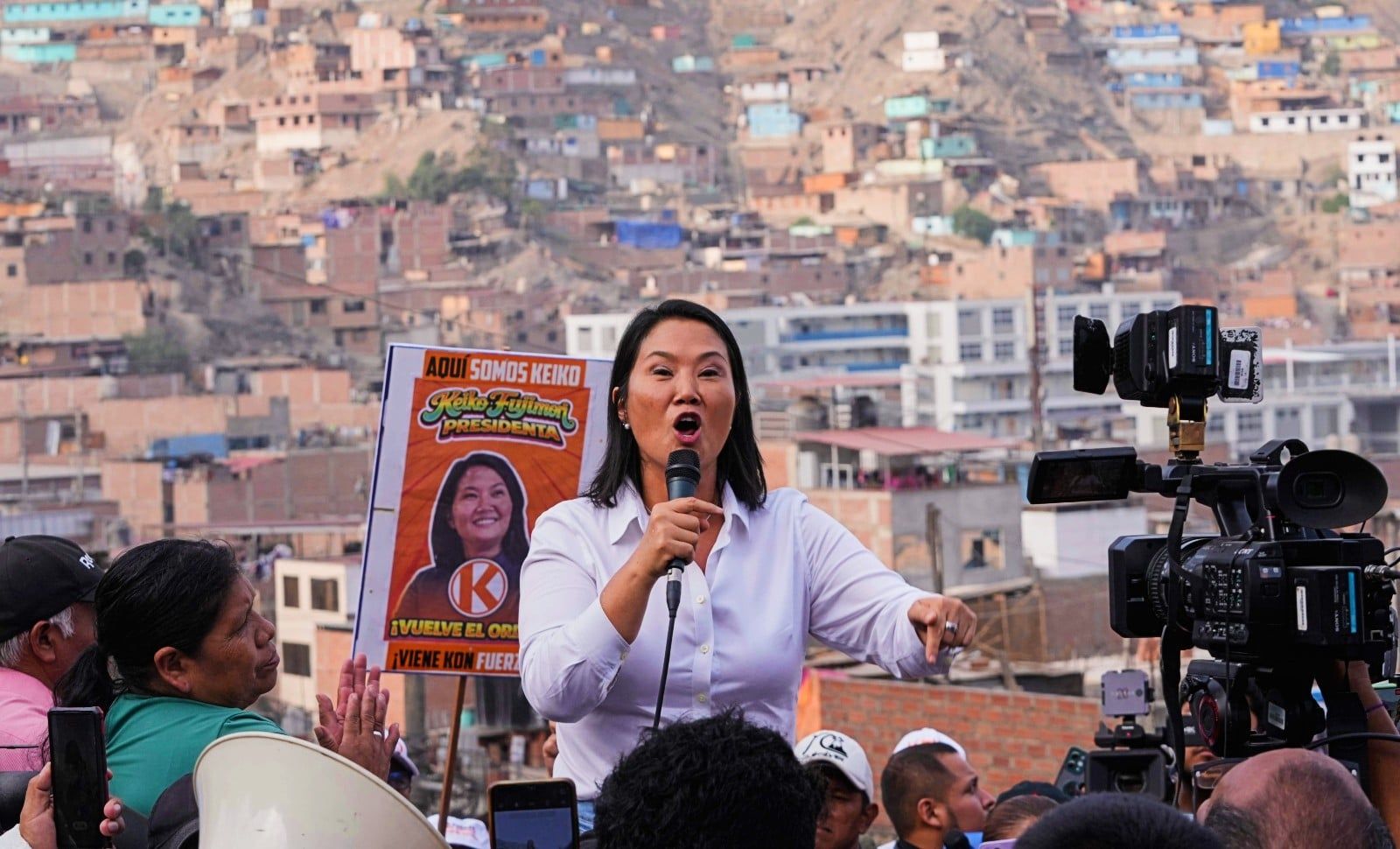 Fujimori will govern a country fractured by inequality, ideological divisions, and territorial tensions, with the Andean south as the main focus of resistance to her authority
 Keiko Fujimori, 51, received on Wednesday in Lima the credentials confirming her as Peru's president-elect, a post she will be sworn into on July 28, the country's independence day. She will be the first woman to reach the executive office through the ballot box, arriving after a career defined by persistence: she won on her fourth attempt, following three consecutive runoff defeats.
Her victory in the June 7 runoff was decided by a narrow margin of 49,641 votes over left-wing candidate Roberto Sánchez, of Juntos por el Perú. Fujimori took 50.135% of valid votes to Sánchez's 49.865%. Sánchez, who won the most votes within national territory, turned to the Inter-American Commission on Human Rights alleging irregularities in the overseas vote, which tilted the outcome in Fujimori's favor. The National Elections Board rejected his annulment request and proclaimed the results on July 3.
The president-elect's foremost challenge aligns with Peruvians' greatest concern: citizen security. According to the Attorney General's Office, 152 killings linked to extortion of transport workers were recorded between 2024 and this year, a widespread crime that also affects small business owners. During the campaign, Fujimori pledged to target the financial structure of criminal gangs, deploy military patrols on transport routes, and toughen prison conditions.
Fujimori will govern a country fractured by inequality, ideological divisions, and territorial tensions, with the Andean south as the main focus of resistance to her authority. Her tone since the close of the campaign has been conciliatory, with calls for reconciliation and pledges to govern for all Peruvians, though her concrete program remains uncertain. Among her first signals was a meeting with Julio Velarde, president of the Central Reserve Bank since 2006, whom she asked to stay another five years to convey continuity to the markets.
Internationally, she will govern surrounded by ideological allies. Right-wing regional leaders — among them Javier Milei in Argentina, Nayib Bukele in El Salvador, and Colombian president-elect Abelardo de la Espriella — congratulated her, as did the US State Department, which stressed its interest in deepening security cooperation.
Fujimori also faces the weight of her surname. Her father, former president Alberto Fujimori, who died in 2024, was convicted of crimes against humanity. Her party, Fuerza Popular, has pushed legislation in Congress benefiting military and police officers under investigation for human rights violations, fueling fears among sectors that view her as a threat to the independence of Peru's institutions.


Top Comments
Disclaimer & comment rulesCommenting for this story is now closed.
If you have a Facebook account, become a fan and comment on our Facebook Page!