MercoPress. South Atlantic News Agency


Argentina's central bank reform bill reaches the lower house: what would change
 The reform is part of a package that includes what the government calls the fiscal shackle
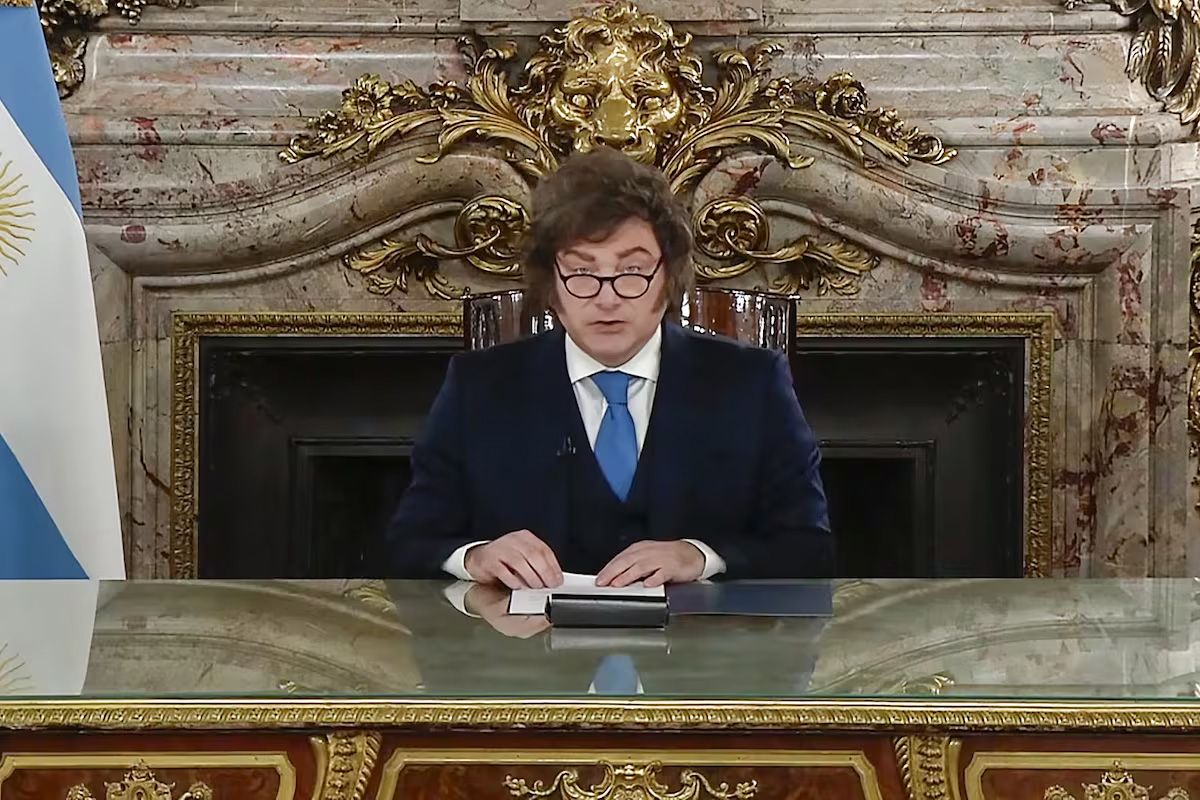
 Argentina's executive branch sent the bill to overhaul the central bank's charter to the Chamber of Deputies on Friday, a day after President Javier Milei outlined it in a nationwide broadcast. The measure will formally enter the parliamentary record on Monday and be referred to committees; the government hopes to pass it in August.
The text is organized around six pillars. The first replaces article 3 of the current statute to establish that the institution's primary and fundamental mission is to preserve the value of the currency. It thereby supersedes the multiple mandate set in 2012, under Cristina Fernández de Kirchner, which included financial stability, employment and economic development with social equity. According to the bill's rationale, a central bank charged with everything cannot be held accountable for anything. The bill also strips the board of powers to channel credit toward small businesses and regional economies.
The second pillar sets specific grounds for removing board members, limited to serious and manifest failures arising from precise facts. Removal would require an executive decree with prior approval by both chambers, by a two-thirds majority of members present. It scraps the bicameral committee mechanism used in 2010, when the government sought to remove Martín Redrado as bank president, and eliminates the presence of an Economy Ministry representative at board meetings.
The third pillar bars all channels of financing to the public sector. It repeals temporary advances, prohibits loans to the national government, the provinces, the City of Buenos Aires and municipalities, bans purchases of government paper in the primary market and eliminates the freely available reserves established by the 1991 convertibility law. The executive's message states that the current administration could have transferred up to 36.6 trillion pesos to the Treasury through advances, more than 80% of the monetary base, and that non-transferable notes on the bank's books totaled 69.4 billion dollars as of April 2025.
The fourth pillar restricts profit distribution: only realized and liquid earnings not stemming from exchange rate movements or gold valuation could be transferred, reserves must reach at least 50% of the bank's capital, and any transfer must go toward cancelling public debt. The practice of remitting accounting gains from exchange rate differences to the Treasury has been used by every administration since convertibility ended, including the current one. The remaining pillars address balance sheet cleanup and update operational and reserve rules.
The reform is part of a package that includes what the government calls the fiscal shackle, a mechanism for partially shutting down state operations in the event of sustained deficits, along with capital markets and insurance sector reforms. Santiago Bausili's appointment as central bank president still lacks Senate confirmation.


Top Comments
Disclaimer & comment rulesCommenting for this story is now closed.
If you have a Facebook account, become a fan and comment on our Facebook Page!