MercoPress. South Atlantic News Agency



Uruguay's central bank marks five years without intervening in the currency market
 Against that backdrop, banks will have to warn clients of the exchange rate risk attached to dollar accounts
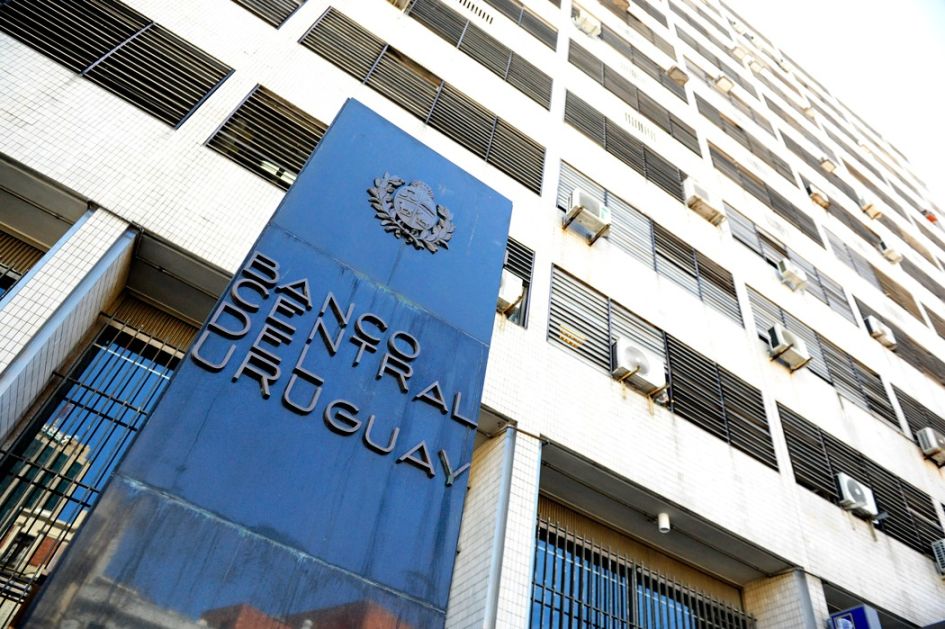
 The Central Bank of Uruguay completed five years on Monday without intervening in the foreign exchange market. Its last operation was a purchase of 31.2 million dollars in 2021. Its president, Guillermo Tolosa, described the milestone as of “enormous” importance and said the country is going through a period of “absolutely free floating of the currency”.
“The exchange rate has behaved in a very harmonious way, at almost the same level we had back then,” he said in an interview with radio Universal. He attributed that stability to three factors: an economy exporting some 20 billion dollars a year, the legal prohibition on the central bank financing the government, and an inflation-targeting regime.
Tolosa linked the absence of intervention to price developments. “The fall in inflation today is sustainable. We have inflation close to our target and we did not depend on using our reserves to achieve it,” he said. Inflation stands at 4.3%, against a target of 4.5%. He recalled that for eighty years Uruguay assumed reducing inflation required intervening in the currency market using reserves, and said the tool would only be used in specific episodes of disruption or when the target is seriously at risk, with interest rate moves preferred first.
He warned of possible global downward pressure on the dollar stemming from the level of United States debt and deficit, after gross US debt passed 40 trillion dollars for the first time in August. He noted that recent weeks had seen selling of long-dated US bonds and of the currency itself, and acknowledged this could translate into a significant appreciation of the Uruguayan peso, as happened in January, though he specified it is not the bank's baseline scenario.
Against that backdrop, banks will have to warn clients of the exchange rate risk attached to dollar accounts. Tolosa set out the plausible range: the rate could move from 40 to 44 or 45 pesos over a matter of months, but not reach 60.
The measure has been questioned by the banking sector. The regulator replied that lenders “are comfortable with a status quo” in which they take dollar deposits, pay no interest on them and earn the US policy rate, close to 4%, with a wide intermediation margin. He added that fixed-term deposits of under six months yield below inflation with no valid justification. Banks have not publicly responded to those statements.
In August the dollar eased 0.07% in Uruguay and is up 3.08% for the year, trading at an average of around 40.24 pesos. Uruguay's country risk premium closed at 62 basis points.


Top Comments
Disclaimer & comment rulesCommenting for this story is now closed.
If you have a Facebook account, become a fan and comment on our Facebook Page!