MercoPress. South Atlantic News Agency
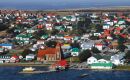


An archipelago of 3,600 people with 86 nationalities represented
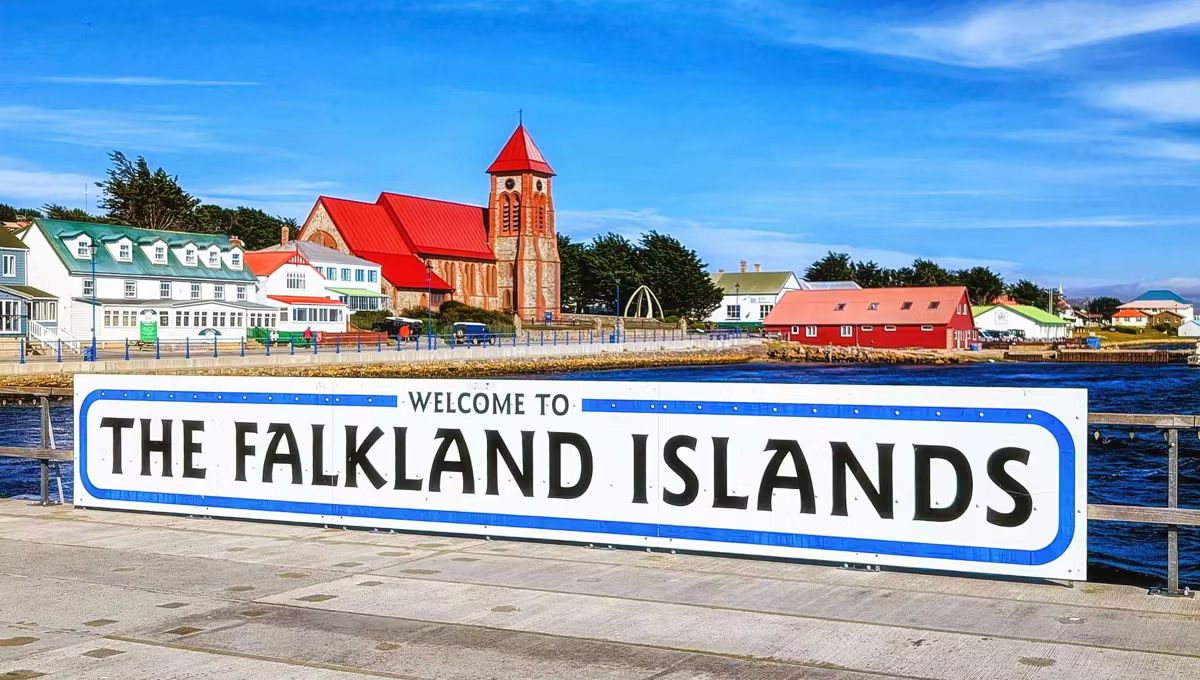 Foreign labor, much of it recruited through staffing agencies, sustains an economy reshaped by the growth of fishing and tourism
 In a population of fewer than four thousand, the English of Stanley's streets sits alongside the Spanish of a sizeable Latin American community, the Tagalog of Filipino residents, the Afrikaans of South Africans and the Shona of Zimbabweans. The 2021 census, the most recent available, recorded 86 nationalities in the Falklands, a British overseas territory whose sovereignty Argentina claims.
That census counted 3,662 usual residents. Among those who stated a place of birth, 1,530 were born in the archipelago and 1,898 abroad: 749 in the United Kingdom, 369 in St Helena — another British territory in the Atlantic — 178 in the Philippines and 168 in Chile, plus 434 from other countries. Close to 70% of the population identifies as Falkland Islander, British, or both.
Foreign labor, much of it recruited through staffing agencies, sustains an economy reshaped by the growth of fishing and tourism. With unemployment at around 1% and a labor force participation rate of 95%, there is little room to fill vacancies locally, and many young people travel to the United Kingdom to study after secondary school.
“We're a small community, practically a town of under 4,000 people, but it functions like a small country,” says Stacy Bragger, a member of the Legislative Assembly and of the organization Multicultural Falklands, who cites the difficulty of filling teaching, medical and health-care posts.
The census records an average annual income of £30,000 for working-age people in employment and £53,100 per household. Around 30% of residents, however, are temporary: they work on short-term visas or are posted at the Mount Pleasant military base.
Alex Olmedo arrived from Santiago de Chile 36 years ago, worked in various jobs and now runs a hotel and restaurant on Stanley's main street. “It's a very good place to start a life,” he says, citing free health care and education. On immigration policy, he argues the opening has been gradual rather than total, because maintaining living standards “is only achieved by having control.”
The Chilean community is the largest Latin American group; there are also Peruvians, Colombians, Venezuelans and a small number of Argentines, most of whom came through family ties with islanders. Many keep Spanish as their everyday language and maintain their own social spaces.
The Zimbabwean community, around 1.8% of the population, formed through the recruitment of deminers to clear devices laid during the 1982 war. That work ran from 2009 to 2020, and the archipelago was declared mine-free in November of that year. Shupikaya Chipunza, now a guard at the local prison, stayed on. “My children are more local than Zimbabwean,” he says. At home they speak Shona; outside, English.
Under the 1983 nationality act, those born in the islands are full British citizens. Migrants first obtain resident status and then citizenship, after meeting residence and employment requirements.
That composition carries a political dimension. In the 2013 referendum, 99.8% of voters chose to retain the status of a British overseas territory, a result the United Kingdom and the local government cite as an expression of the right to self-determination. Argentina does not recognize the vote and argues the population was implanted after 1833 and therefore should not decide the sovereignty question.
Pressure on the labor market could increase with the development of the Sea Lion oil project, due to begin production in 2028 and the target of the judicial and administrative campaign Argentina launched this month.

Top Comments
Disclaimer & comment rulesCommenting for this story is now closed.
If you have a Facebook account, become a fan and comment on our Facebook Page!