MercoPress. South Atlantic News Agency


An unusual die-off of southern right whales in Argentine Patagonia alarms scientists
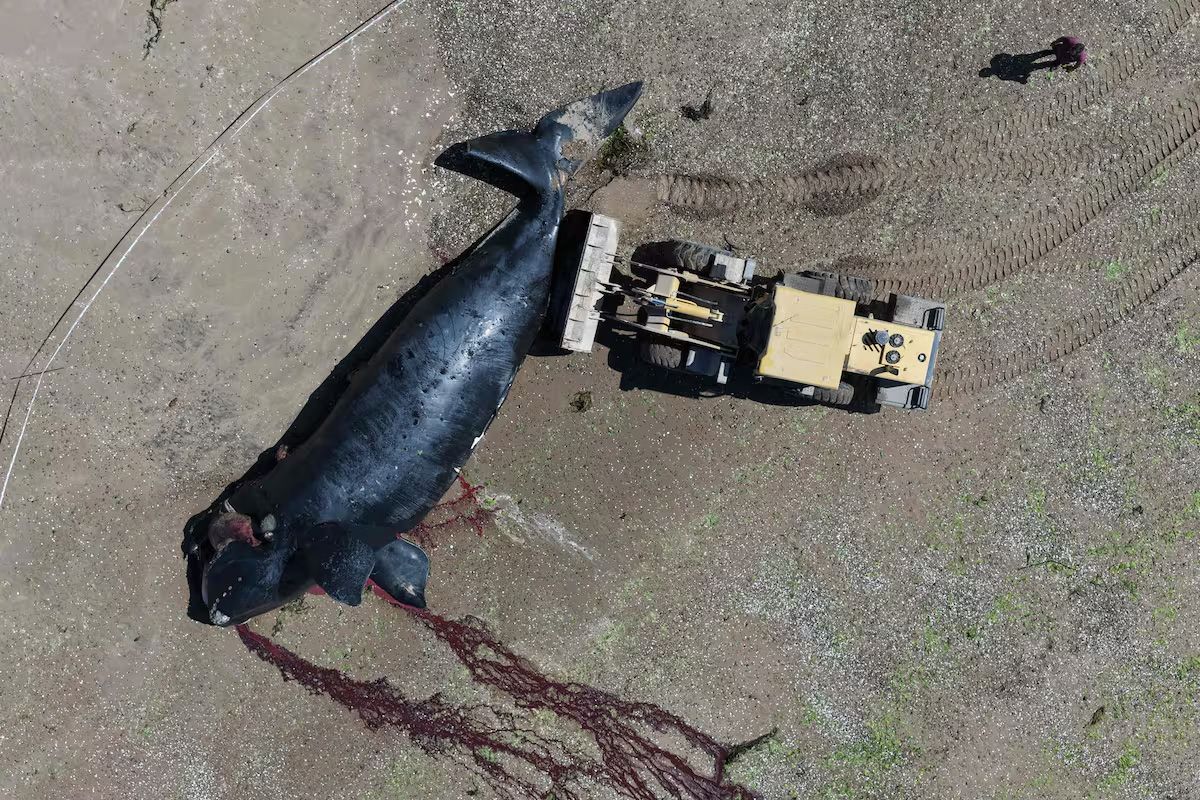 Neither researchers nor the provincial government will give an official figure until the season ends; unofficially, more than 300 dead whales are being mentioned
Scientists monitoring the southern right whale population at Península Valdés, in Argentina’s Chubut province, have recorded since July an unusual number of deaths among calves and adults which, they expect, could make this the worst year on record. They are investigating the role of a bacterium and of a toxic algal bloom known as “red tide”.
Neither researchers nor the provincial government will give an official figure until the season ends; unofficially, more than 300 dead whales are being mentioned. Until now, the highest figures recorded by the health monitoring programme run by the Whale Conservation Institute since 2003 were 113 dead calves in 2012 and 28 adults in 2022.
In calves, the deaths have been linked to the bacterium Erysipelothrix rhusiopathiae, which causes erysipelas and can enter through wounds, such as gull bites, or through feeding, explained Mariano Coscarella of the Centre for the Study of Marine Systems at the National Scientific and Technical Research Council (Conicet). In adults, the cause is still under study, although red tide, which caused the 2022 peak, is suspected. According to Coscarella, no evidence has been found that direct human activity caused the deaths, although climate change or El Niño may have influenced ocean conditions.
The health monitoring programme, led by veterinarian Marcela Uhart of the University of California, Davis, is carrying out necropsies and analyses and will add sampling of water and shellfish in the Nuevo and San José gulfs.
Península Valdés is South America’s largest sanctuary for southern right whales. The population visiting it grew from about 500 whales in the late 1990s to a peak of 2,110 in 2025; this year 1,375 were recorded, including 409 calves. The Whale Conservation Institute warned that, as this is a long-lived species, the consequences of a die-off “are not immediate and cannot be measured from isolated figures”.


Top Comments
Disclaimer & comment rulesNo comments for this story
Please log in or register (it’s free!) to comment. Login with Facebook