MercoPress. South Atlantic News Agency
Tag: Patagonia
-
Wednesday, October 21st 2026 - 14:44 UTC
An unusual die-off of southern right whales in Argentine Patagonia alarms scientists
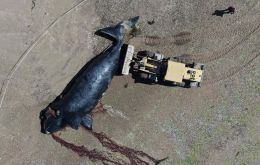
Scientists monitoring the southern right whale population at Península Valdés, in Argentina’s Chubut province, have recorded since July an unusual number of deaths among calves and adults which, they expect, could make this the worst year on record. They are investigating the role of a bacterium and of a toxic algal bloom known as “red tide”.
Add your comment! -
Wednesday, August 5th 2026 - 23:10 UTC
Argentine government pulls chapter on land sales to foreigners from Senate debate
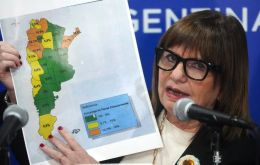
Argentina's governing bloc withdrew on Wednesday the rural land chapter of the Inviolability of Private Property bill from the Senate agenda, lacking the votes to pass it and hours before the session scheduled for Thursday.
-
Thursday, July 9th 2026 - 05:03 UTC
Argentina's polar spell eases as Patagonia faces rain, snow and 90 km/h gusts
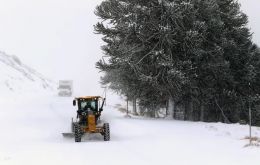
The intense polar air mass that affected much of Argentina during the first days of July has begun to ease, with a gradual rise in temperatures across the center and north of the country, while Patagonia now concentrates the most severe weather. The National Meteorological Service (SMN) has kept warnings in place for rain, snow and strong winds in the far south.
-
Wednesday, May 13th 2026 - 17:23 UTC
Patagonian Tragedy to Be Remembered at London’s Royal Albert Hall

A little-known but deeply poignant chapter of Patagonian history will be brought to life this June at one of the world’s most prestigious venues, London’s Royal Albert Hall.
-
Thursday, March 26th 2026 - 09:27 UTC
Patagonian pumas add penguins to their diet in unprecedented predator-seabird interaction
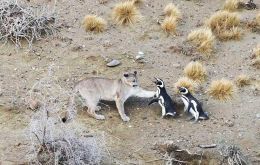
A group of pumas in Monte León National Park, in Argentina's Santa Cruz province, has incorporated penguins as a regular part of its diet — an unprecedented phenomenon being studied by a National Geographic-funded scientific team, according to a report published by Argentine newspaper La Nación.
-
Thursday, February 5th 2026 - 12:34 UTC
Argentina, US set to stage ‘Atlantic Dagger’ in high-profile special forces drill
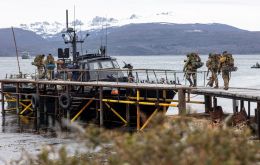
Argentina and the United States are finalizing plans for “Daga Atlántica” (Atlantic Dagger), a joint special operations exercise expected to become one of the most politically significant bilateral defense activities in recent years—aimed at boosting interoperability, shared procedures and combined planning.
-
Thursday, January 22nd 2026 - 21:58 UTC
Argentina’s Patagonia wildfires: flare-ups in Chubut spur evacuations as crews face “highly complex” blazes
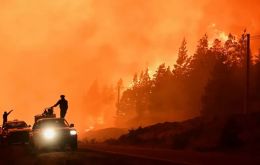
Wildfires in Argentina’s Patagonia continued to pressure communities in Chubut province, with active fronts and repeated flare-ups reported around Epuyén, El Hoyo and Puerto Patriada, as heat, strong winds and very low humidity complicated containment efforts. Local coverage described preventive self-evacuations and round-the-clock watch shifts by firefighters, specialist brigades and residents trying to shield homes, livestock and productive areas.
-
Friday, January 16th 2026 - 18:54 UTC
Wildfires continue in Argentine Patagonia; ten provinces on alert
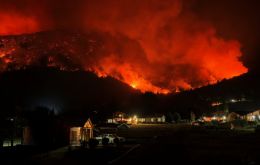
Ten Argentine provinces are under alert for wildfire risk, as several fire fronts in Chubut and wider Patagonia have already burned more than 20,000 hectares.
-
Monday, August 11th 2025 - 10:25 UTC
Chile halts meat imports from Argentine Patagonia

The Chilean Government of President Gabriel Boric Font suspended the import of all animals and animal products from Argentina that require foot-and-mouth disease-free certification, in response to the Libertarian administration's decision to deregulate the National Service for Agrifood Health and Quality (Senasa). This move directly affects exports of sheep meat and bulls from Argentina's provinces of Neuquén and Río Negro, jeopardizing millions of dollars in trade.
-
Wednesday, February 5th 2025 - 07:57 UTC
Argentine Patagonia wildfires man-caused
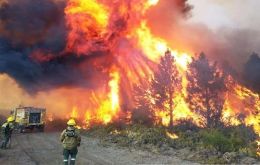
Argentine authorities determined that the fires currently ravaging through the Patagonian enclaves of El Bolsón (Río Negro) and Epuyén (Chubut) were arson. The announcements were made after the sites of the initial outbreaks were found and accelerants were detected. Governors Ignacio Torres (Chubut) and Alberto Weretilneck (Río Negro) pledged to investigate the matter and hold those responsible accountable.