MercoPress. South Atlantic News Agency



Latin America’s energy inflation reaches its highest level in a year
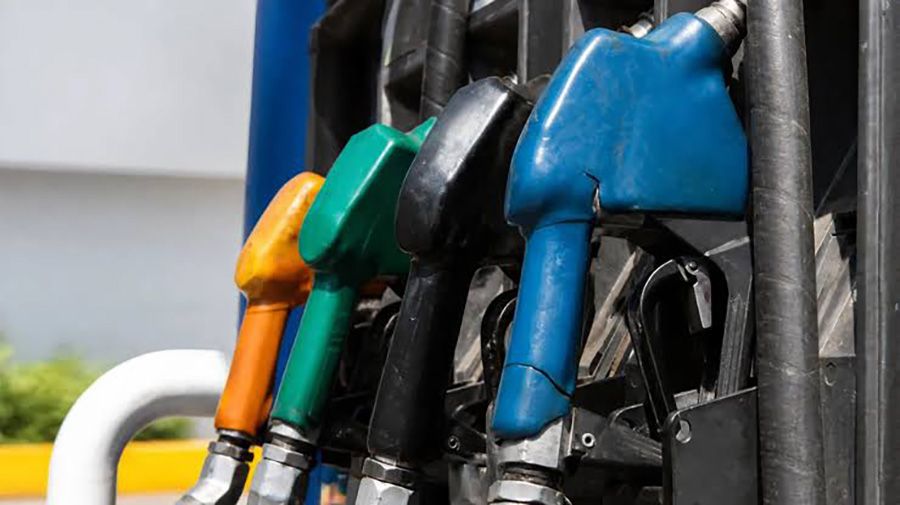 The study, based on data from the statistics institutes and central banks of member countries, shows energy inflation exceeded the previous high for the period, 8.03% in June
Annual energy inflation in Latin America and the Caribbean accelerated to 8.33% in August, its highest level in twelve months, and pressure on fuel prices continued in September and October, when diesel prices matched petrol for the first time, according to a report by the Latin American Energy Organization (OLADE) published by the Energy Report website.
The study, based on data from the statistics institutes and central banks of member countries, shows energy inflation exceeded the previous high for the period, 8.03% in June. Overall inflation in the region rose from 4.17% in July to 4.43% in August. The report links the acceleration to the resumption of hostilities between Iran and the United States in July, after a fragile ceasefire in June.
Diesel has risen faster than petrol. In August, its regional average price rose 2.5% to US$1.31 per litre, almost four times the increase in petrol, which rose 0.6% to US$1.38. In October, both fuels reached US$1.41 per litre, the highest level of the year. Since February, diesel has risen 26% compared with 18% for petrol, and the report expects it could overtake petrol in the coming weeks. Its rising cost has a particular impact on freight and passenger transport, farm machinery and the distribution of goods.
WTI crude averaged US$83.90 per barrel in August, US$97.31 in September and around US$98.29 in October. The report warns that the pass-through of crude prices to fuel is asymmetric: international increases are passed on quickly, while decreases are reflected with a delay or only partially, due to inventories, retail margins, taxes, subsidies and local price stabilisation mechanisms.


Top Comments
Disclaimer & comment rulesNo comments for this story
Please log in or register (it’s free!) to comment. Login with Facebook