MercoPress. South Atlantic News Agency
Agriculture
-
Thursday, January 7th 2010 - 17:13 UTC
Argentina expects record corn yield and exceptional sorghum crop
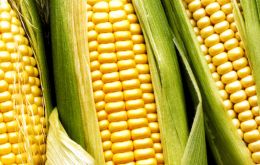
Argentina, the world’s second-largest corn exporter could increase output by more than 42% this year from initial estimates as spring rains boost yields to a record, the country’s main corn growers group said.
-
Tuesday, January 5th 2010 - 12:33 UTC
Uruguayan beef and vegetables in Argentina’s 2011menu

Argentina is a nation that prides itself on having more cattle than people but because of erred policies may soon be forced to import beef to keep its meat-loving citizens happy at the dinner table.
-
Tuesday, December 29th 2009 - 07:43 UTC
Argentina anticipates record crop of “green gold” soybean
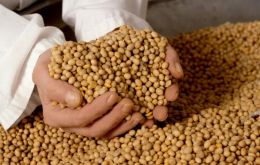
Argentina’s “green gold” soybean 2009/2010 crop is forecasted to establish a new record, 50.8 million tons, according to the Chamber of Commerce from Rosario, located at the epicentre of the country’s oil seed production.
-
Friday, December 25th 2009 - 16:27 UTC
Uruguay expects record harvest of wheat; soybean becomes the main crop
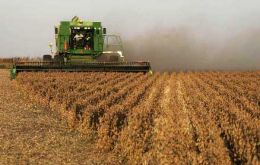
Uruguay’s is expecting a record wheat crop for the second year running in 2009 while the barley harvest is forecasted as the largest in the last ten years according to the Statistics Office from the Ministry of Agriculture, Livestock and Fisheries.
-
Wednesday, December 23rd 2009 - 08:31 UTC
British soldiers in Falklands’ sheep castrating operation

A team of British soldiers has helped castrate sheep on the Falkland Islands after tragedy hit two farm workers, reports the Belfast Telegraph.
-
Sunday, December 20th 2009 - 09:09 UTC
New York Times praises the quality of Uruguayan beef from grass-fed cattle

The New York Times dedicated a long piece to the quality and rising pre-eminence of Uruguayan beef in world markets, contrary to what is happening in neighbouring Argentina, still considered “king of the best beef in the world”
-
Friday, December 18th 2009 - 08:08 UTC
European Parliament approves 2010 budget: almost half for agriculture
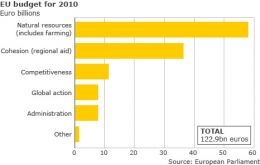
The European Parliament has approved a 122.9bn Euro EU budget for 2010 - nearly half of which is to go to agriculture and natural resources. It is a 6% increase on the 2009 budget, which was worth 116bn Euros.
-
Wednesday, December 16th 2009 - 04:11 UTC
Soybeans bumper crop forecasted in Mercosur countries
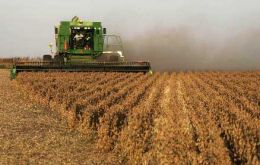
A soy bean bumper crop in South America in early 2010 will ease world reserves of grains, currently at very low levels, and will also have an impact on international prices according to Oil World.
-
Friday, November 13th 2009 - 01:23 UTC
Cuba drastically slashes “farm bureaucracy” to boost food production
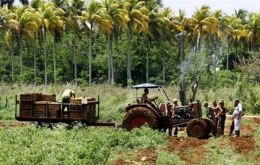
One of the major ills of Cuba’s state-run agricultural enterprises is “the excess of non-productive personnel,” Communist Party daily Granma said this week. The newspaper estimated the number of redundant employees in the state farming sector at 89,000, or 26% of the total.
-
Friday, October 30th 2009 - 21:59 UTC
Argentina buys wine from Chile to face shortfall in production
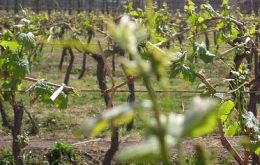
Still hurting from a yearlong drought, Argentina is turning to Chile for wine imports in order to keep up with popular demand for wine.
