MercoPress. South Atlantic News Agency
Agriculture
-
Wednesday, December 21st 2022 - 10:24 UTC
Brazil planning to become world's largest cotton exporter, ahead of US
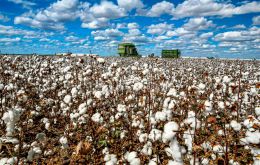
Brazil could become the world’s largest cotton exporter in 2023, because of an increase in the planted area helping it to surpass the United States, which could reduce sowing by 30% to make way for competing crops such as corn, soy, and wheat.
-
Saturday, December 17th 2022 - 09:51 UTC
“Soybean dollar 2” working as planned for Argentine authorities
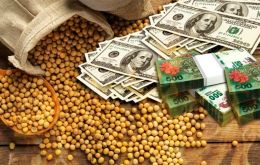
Argentina's new version of the “Export Increase Program” (PIE) has resulted in US$ 1.824 billion worth of soybeans sold abroad, which nearly meets the government's target, it was reported Friday in Buenos Aires.
-
Saturday, December 17th 2022 - 07:15 UTC
Argentine beef exports down for three months running, with prices dropping 20% since April

During October 2022, beef exports from Argentina fell for the third month running, dropping 3% in volume month-on-month, with sales revenue down 10.4%, according to Argentina’s Chamber of Meat Industry and Commerce (CICCRA).
-
Saturday, December 17th 2022 - 07:09 UTC
Fears of a record breaking global soybean harvest, and insufficient demand

Brazil is on track for a record-high Brazilian soybean harvest in the marketing year 2022-23 (January-December 2023), based on forecasts from commodity consultancies and government-owned institutions. The likely estimate means a looming oversupply expected to remain until at least mid-2023.
-
Wednesday, December 14th 2022 - 09:19 UTC
China takes 52,5 million tons of Brazilian soy in eleven months of 2022
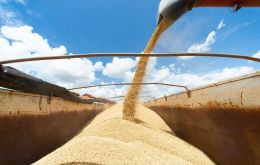
In the eleven months of 2022, China imported 52.464 million tons of soybeans from Brazil, according to data from the latest Foreign Trade Secretariat (Secex), a department of the Ministry of Economy.
-
Tuesday, December 13th 2022 - 20:25 UTC
Uruguayan exports fall in November but 2022 figures still good
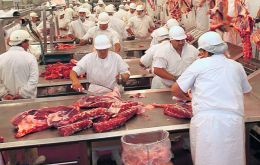
Uruguayan exports have fallen 13% yoy in November of 2022 after recording a growth of 20.3% for the first eleven months of the year when compared to the same period of the previous year, it was reported Tuesday in Montevideo.
-
Tuesday, December 6th 2022 - 08:06 UTC
Peru and Ecuador declare bird flu health emergency; 10,000 pelicans dead, 180,000 chickens to be slaughtered
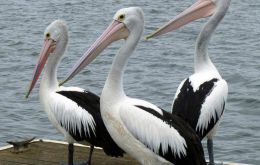
Peru and Ecuador last week declared three-month health emergencies because of outbreaks of bird flu after a wave of cases led to tens of millions of poultry being slaughtered in Europe and the United States.
-
Saturday, December 3rd 2022 - 12:02 UTC
Brazil bilateral trade with Qatar has leaped in the buildup to the World Cup

Despite a last shock surprise defeat against Cameroon, Brazil is in the Round of 16 and still standing as one of the favorites to reach the final round of Qatar 2022 World Soccer Cup. And despite its sporting performance, Brazil has had a huge leap in bilateral trade with the buildup to the Qatar event.
-
Thursday, December 1st 2022 - 10:50 UTC
US blocks sugar imports from Dominican Republic, claiming abusive labor conditions
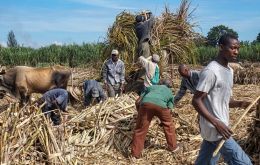
Imports of crude sugar from a company in the Dominican Republic will be blocked at all U.S. ports after the alleged use of forced labor in its production, U.S. Customs and Border Protection announced this week.
-
Tuesday, November 29th 2022 - 10:55 UTC
Climate change consequences drastically cutting Argentina's winter and summer crops

Climate change reality has caught up with Argentina with mounting uncertainties about summer crops, since the sowing of soybeans and corn is already below 40% of last year, already diminished.
