MercoPress. South Atlantic News Agency
Antarctica
-
Monday, January 9th 2023 - 10:36 UTC
The Inspire 22 Antarctic research expedition has almost reached the South Pole goal
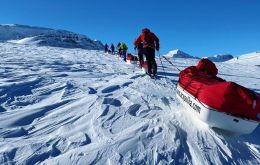
The Inspire 22 Antarctic research expedition has less than 100km to go until they reach the South Pole. The team, sponsored in part by BFBS (British Forces Broadcasting System) made up of guides, doctors and physiologists –with a teacher and engineer also joining the expedition, set off in November.
-
Wednesday, January 4th 2023 - 10:17 UTC
Irízar's Antarctic campaign reported on schedule
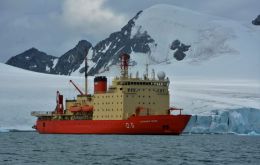
Argentine icebreaker ARA Almirante Irízar has been reported to have completed a successful call at the Orcadas base, after which supplies were delivered to the Petrel base, as part of the 119th Antarctic Summer Campaign.
-
Monday, January 2nd 2023 - 08:57 UTC
Antarctica returning to pre pandemic capacity levels, Cruise Industry Annual Report

Antarctica is returning to pre-pandemic capacity levels in the 2022-2023 season following a disrupted 2021-2022 season and no cruise traffic in 2020-2021. According to the latest edition of the Cruise Industry News Annual Report, Antarctica will receive a total of 55 ships from several different brands, including Hurtigruten, Ponant, Viking, and Seabourn
-
Monday, December 26th 2022 - 09:01 UTC
Chile launches the first icebreaker made in South America
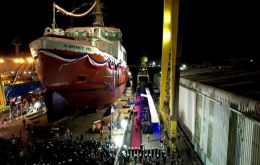
The first icebreaker built in Latin America, Almirante Oscar Viel, was launched last week from the state-run naval ASMAR shipyard in Talcahuano, Chile after five years of construction
-
Thursday, December 22nd 2022 - 10:14 UTC
EU and US satellites together with BAS calibrating ice at Weddell Sea
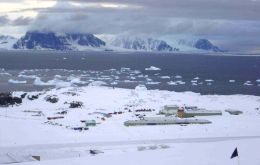
An ambitious flying campaign out of British Antarctic Survey’s Rothera Research Station over the Weddell Sea this month (December) aims to calibrate the data collected from two important satellites that monitor Antarctic sea ice.
-
Friday, December 16th 2022 - 08:59 UTC
Icebreaker ARA Irízar ready to start Summer Antarctic Campaign

Argentine Navy's icebreaker ARA Almirante Irízar was ordered Thursday to set sail with over 300 people onboard among military and scientific personnel, marking the official beginning of the 2022/23 Summer Antarctic campaign. The Irízar's mission will consist of three stages until April 2023.
-
Thursday, December 15th 2022 - 11:30 UTC
RRS Sir David Attenborough docks in Falklands: Saturday begins Antarctic round at Rothera Base
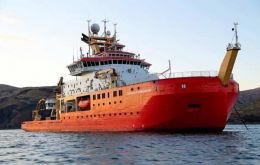
Falkland Islands RRS Sir David Attenborough has arrived to the Islands, and docked at East Cove, and is scheduled to leave for the Rothera Base on Saturday, beginning the Antarctica campaign.
-
Monday, December 12th 2022 - 11:58 UTC
Cruise association and IAATO express concern over recent rare tragic incidents in Antarctica
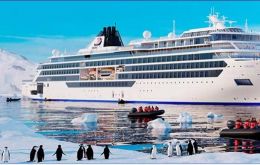
The Cruise Lines International Association, Clia, has moved to reassure the industry's trade after a “rogue wave” hit Viking Polaris killing one passenger, and injuring four others on a cruise in Antarctica. The accident on the expedition ship took place on November 29, a couple of weeks after two people died during a Zodiac excursion on a Quark Expeditions sailing in the polar region.
-
Sunday, December 11th 2022 - 15:00 UTC
Book review: The Ship Beneath the Ice

The loss of Sir Ernest Shackleton’s ship Endurance is the stuff of legend. She was crushed in the ice of the Weddell Sea in 1915. The subsequent escape of Shackleton and his men is an epic of heroism and survival.
-
Monday, December 5th 2022 - 10:25 UTC
HMS Protector digs out snow covered Port Lockroy scientific base managed by four women
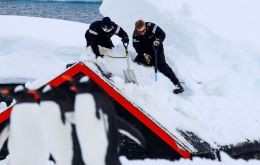
Ice Patrol HMS Protector's sailors and Royal Marines spent two days digging out the Port Lockroy scientific base in Antarctica which is home to a museum, gift shop and the world's most remote post office.

