MercoPress. South Atlantic News Agency
Economy
-
Wednesday, December 17th 2008 - 20:00 UTC
IMF calls leders for more interventionist actions
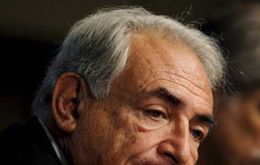
Governments around the globe need to take widespread interventionist action to stimulate stock markets and prevent further economic declines, the International Monetary Fund has said.
-
Wednesday, December 17th 2008 - 20:00 UTC
British pound moving closer to parity with the Euro

The British pound moved ever closer to parity with the Euro on Wednesday amid growing expectations of more deep cuts in UK interest rates. Minutes of the Bank of England's latest meeting revealed rate-setters considered even larger cuts than the 1% move two weeks ago, bringing rates to 2% and equalling the all-time low.
-
Tuesday, December 16th 2008 - 20:00 UTC
Ecuador announces second bond interest payment default

Ecuador announced it is defaulting on a second bond payment, interest on 650 million US dollars in Global 15 bonds due through 2015. The announcement comes three days after President Rafael Correa said the country would not make a similar 30.6 million USD payment on Global 12 bonds.
-
Tuesday, December 16th 2008 - 20:00 UTC
Argentina bolsters size of the stimulus package to 32 b. USD
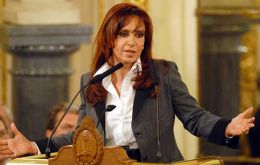
Argentina will spend the equivalent of 16.6 billion USD on infrastructure projects next year in an attempt to create 380,000 construction-related jobs it was announced Monday in Buenos Aires.
-
Tuesday, December 16th 2008 - 20:00 UTC
Foreign workers monopolize almost all new UK jobs

Almost all the new jobs created in Britain in the last seven years have gone to foreign workers. Of the 1.3million jobs created since 2001, the vast majority - went to non-UK nationals, official figures show. At the same time the number of UK-born workers in employment fell by 62,000.
-
Tuesday, December 16th 2008 - 20:00 UTC
With zero rate, further cuts not an option for the US Fed

The US Federal Reserve has slashed its key interest rate from 1% to a range of between zero and 0.25% as it battles the country's recession. In its statement, the Federal Reserve warned that “the outlook for economic activity has weakened further”.
-
Tuesday, December 16th 2008 - 20:00 UTC
UK November retail inflation drops to 4.1%; deflation fears

United Kingdom consumer price index fell to 4.1% in November from 4.5% in October. As a result, the Governor of the Bank of England Mervyn King wrote his third letter of the year to the Chancellor of the Exchequer, explaining why inflation was so far above its target level (2%) and what the Monetary Policy Committee was planning to do to bring it back down again.
-
Monday, December 15th 2008 - 20:00 UTC
Major world banks caught in Madoff's hedge fund con

Some of the world's biggest banks have revealed they are victims of an alleged fraud which has lost 50 billion US dollars. Bernard Madoff, who was arrested on Thursday, has been charged with fraud in what is being described as one of the biggest-ever such cases.
-
Monday, December 15th 2008 - 20:00 UTC
Siemens admits bribery payments and is fined 1.4 b. USD

Electronics giant Siemens AG has agreed on Monday to pay 1.4 billion US dollars to US and German authorities after the company allegedly engaged in bribery, the SEC said in a release.
-
Sunday, December 14th 2008 - 20:00 UTC
Development of energy industry boosts Magallanes

The discovery and exploitation of new oil and gas wells in the extreme south of Chile has generated a boom for the Magallanes Region which is creating a significant demand for technicians and specialized labour.

