MercoPress. South Atlantic News Agency
Economy
-
Saturday, June 11th 2011 - 11:04 UTC
Chile’s volcanic eruption devastates regions fishing; threatens cattle and tourism

A week’s ago volcanic eruptions in Chile’s South have crippled the fresh-water fishing industry there and potentially threaten the cattle industry, too.
-
Saturday, June 11th 2011 - 10:06 UTC
Countries succumbing to protectionism, says an advance of WTO document

The world's trading nations are succumbing to protectionism in the wake of the global financial crisis, limiting exports of food and raw materials and installing new import barriers, the WTO warned.
-
Saturday, June 11th 2011 - 09:55 UTC
China’s imports soared 28.4% in May with strong demand for oil

China posted a smaller-than-expected trade surplus in May of 13.1 billion US dollars because of soaring imports and weaker global demand growth. Sales to the US and the European Union slumped to their weakest since late 2009, excluding Lunar New Year holidays, underlining the view that the world economy is stumbling.
-
Saturday, June 11th 2011 - 09:48 UTC
EU challenges and opportunities with Mercosur and Latin America

By Antonio Tajani - The challenges and opportunities in Latin America are dear to my heart. This is the first time in many years that a European Commissioner for industry heads to the region. And it is not by chance that I strongly wished to go, as this was a priority set in my new mandate.
-
Friday, June 10th 2011 - 05:17 UTC
Chile is China’s “gateway to Latin America” and its unique ally in the region
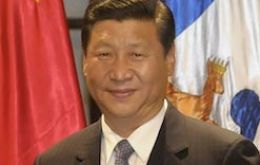
China Vice-President Xi Jinping arrived in Chile Thursday to forge closer ties with the nation that has branded itself as China's “gateway to Latin America”.
-
Friday, June 10th 2011 - 05:10 UTC
China and Uruguay sign 17 cooperation accords and 530m USD trade package

Visiting Chinese Vice-President Xi Jinping signed Wednesday in Uruguay 17 cooperation agreements and trade contracts for the purchase of 530 million US dollars in Uruguayan goods before leaving for Chile the third leg of his tour of Latin America.
-
Friday, June 10th 2011 - 03:56 UTC
Record exports in April helped to lower US trade deficit by 6.7%

Exports of US goods and services rose to a record 175.6bn in April, helping to shrink its trade deficit. Data from the Commerce Department showed the gap between imports and exports fell by 6.7% to 43.7bn as manufacturers shipped more items such as computers.
-
Friday, June 10th 2011 - 01:34 UTC
Top EC official in South America to promote trade, tourism and cooperation

A top European Commission official is on a round of visits to South American countries to strengthen economic, industrial and tourism ties with the region because Latin America has emerged as “a strategic and dynamic economic player”.
-
Thursday, June 9th 2011 - 22:48 UTC
Brazil crop of grains and oilseeds expected to reach a record 161.5 million tons

Brazil’s 2010/2011 crop of grains and oilseeds is estimated to reach 161.5 million tons, up 8.2% (8.2 million tons) over the previous farm year (149.2 million tons), according to the latest survey from the National Supplies Corporation, Conab.
-
Thursday, June 9th 2011 - 22:41 UTC
Brazil’s world’s leading chicken exporter in 2011, ahead of the United States
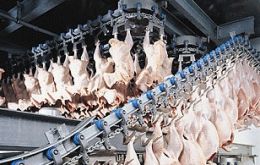
Brazil is poised to overtake the United States for the first time ever, as the world’s leading exporter of chicken, with a third of global trade, according to the latest statistics from FAO released this week.

