MercoPress. South Atlantic News Agency
Economy
-
Saturday, December 3rd 2022 - 09:40 UTC
Lula to give free rein to economic team, but not too loose
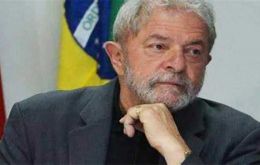
Brazil's President-elect Luiz Inácio Lula da Silva Friday said that whoever is appointed economy minister under him will have the necessary autonomy so long as he or she does not forget who was the one elected for the people to rule the country, which meant that the head of state will not be absent from the most relevant decisions.
-
Saturday, December 3rd 2022 - 09:01 UTC
Uruguay's INE to update measuring of CPI

Uruguay's National Institute of Statistics (INE) will change the way it measures inflation, starting in December 2022, it was announced in Montevideo this week. The new method means new products and services will be gauged while others are to be sidelined.
-
Saturday, December 3rd 2022 - 07:00 UTC
Increase in food costs for the average UK household because of Brexit, LSE paper Brexit a

Brexit added £210 to the average British household food bill in the two years to the end of 2021, according to a new academic paper from the London School of Economics (LSE), with price rises hitting the poorest families.
-
Friday, December 2nd 2022 - 10:56 UTC
Paraguay rules out a Mercosur breakup and calls for consensus on decisions
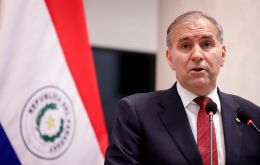
Paraguayan Foreign Minister, Julio César Arriola, ruled out on Thursday a break up within the Southern Common Market (Mercosur) and ratified that his country supports that the decisions of that integration mechanism be adopted jointly and by consensus.
-
Thursday, December 1st 2022 - 10:55 UTC
Paraguayan President critical of Uruguay's plan to join other trade blocs

Paraguay's President Mario Abdo Benítez Wednesday said that Uruguay's negotiating trade deals outside Mercosur were detrimental to the South American bloc's “essence.”
-
Thursday, December 1st 2022 - 10:19 UTC
Milestone UK/Brazil Double Taxation Agreement
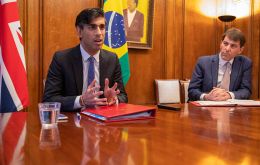
The United Kingdom and Brazil signed a Double Taxation Agreement (DTA) this week. The Agreement will provide relief from the double taxation of income in both countries and is the most significant development in the trade relationship between the United Kingdom and Brazil in many years and represents a concrete response to demands from business in both countries
-
Thursday, December 1st 2022 - 10:02 UTC
UNCTAD forecasts economic slowdown in 2023 with dramatic drop of shipping activity
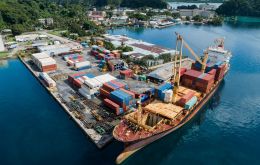
The pace of global shipping activity is set to lose steam next year as economic turmoil, conflict in Ukraine and the impact of the pandemic weaken the outlook for trade, U.N. agency UNCTAD said this week.
-
Thursday, December 1st 2022 - 09:00 UTC
Brazil exports remain concentrated in commodities and imports in industrial goods, WTO report
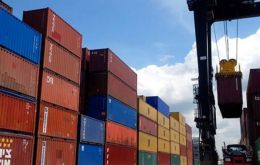
Brazil’s integration into the global economy has grown in recent years, but exports are increasingly concentrated in commodities, and imports are dominated by industrial goods, according to the World Trade Organization (WTO) assessment of Brazilian trade policy.
-
Wednesday, November 30th 2022 - 17:55 UTC
Lacalle's bold diplomacy compromises future of Mercosur
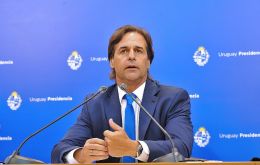
Mercosur is facing yet a new crisis stemming from Uruguayan President Luis Lacalle Pou's eagerness to join any foreign trade alliance no matter what.
-
Wednesday, November 30th 2022 - 10:25 UTC
No significant changes in Chile's unemployment rate
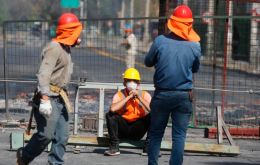
Unemployment in Chile stood at 8.0 % in the August-October 2022 mobile quarter, according to a report from the National Statistics Institute (INE) released Tuesday, which represented no substantial changes from the previous three months.