MercoPress. South Atlantic News Agency
Economy
-
Tuesday, September 23rd 2008 - 21:00 UTC
World markets results tied to outcome of US bail out plan
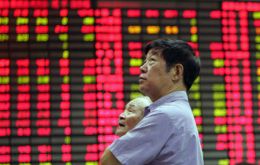
Shares in Asia opened on Tuesday lower amid uncertainty about the impact of the massive US financial bail-out plan. The falls followed a sharp slide in the US, where the Bush administration has been discussing the 700 billion rescue plan with Congress.
-
Monday, September 22nd 2008 - 21:00 UTC
Wall Street purge: Mitsubishi buys stake in Morgan Stanley
Japanese banking giant Mitsubishi UFJ Financial Group announced Monday it will buy a stake in troubled Wall Street investment bank Morgan Stanley. The firm said the stake will account for 10% to 20% of Morgan Stanley's common shares.
-
Monday, September 22nd 2008 - 21:00 UTC
Germany partly blames US and UK for financial turmoil

German chancellor Angela Merkel said that the United States and British governments are partly responsible for the current international financial crisis for having supported markets' resistance to be submitted to voluntary regulations.
-
Monday, September 22nd 2008 - 21:00 UTC
Stiglitz says bailout plan is “monstrous” for US taxpayers
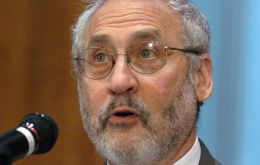
Economy Nobel Prize Joseph Stiglitz described as “monstrous” for US taxpayers the current bail out plan for the financial sector announced by Washington over the weekend.
-
Monday, September 22nd 2008 - 21:00 UTC
Cristina announces possible deal with bonds' “hold outs”

Argentine President Cristina Fernandez de Kirchner announced Monday in New York her administration was considering a proposed deal with holdout creditors who rejected the country's 2005 sovereign debt swap and have since used the courts to try to seize Argentine assets abroad.
-
Saturday, September 20th 2008 - 21:00 UTC
Bush: “unprecedented measures” to de-intoxicate system
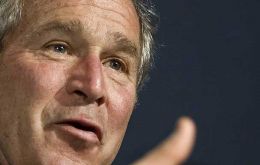
United States is set to take “unprecedented measures” to tackle the crisis gripping US financial markets, announced President George Bush on Friday. But he warned the moves, which include spending of billions of dollars to buy up bad debts, would risk “a significant amount” of taxpayers' money.
-
Friday, September 19th 2008 - 21:00 UTC
PM Brown pledged to clean up the financial system
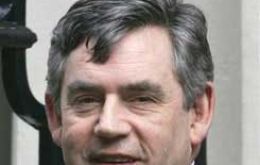
Gordon Brown has pledged to “clean up” the financial system following the rescue of Britain's biggest mortgage lender HBOS by Lloyds TSB. The prime minister said he had taken “quick action” to “maintain the stability of the financial system”.
-
Friday, September 19th 2008 - 21:00 UTC
Congress/White House announce plan to ease global crisis
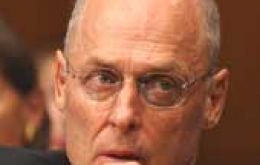
United States officials said they will hammer out a “comprehensive” plan to ease what has become a global financial crisis. US Treasury Secretary Henry Paulson said after meeting members of Congress that legislation would be required to help rid US banks of their bad assets.
-
Friday, September 19th 2008 - 21:00 UTC
Forbes: Bill Gates, richest man in the US with 57 billion USD

Bill Gates remains the richest man in the United States with 57 billion US dollars in assets despite losing his crown to Warren Buffett for a few months earlier this year according to the latest The Forbes 400 billionaires.
-
Friday, September 19th 2008 - 21:00 UTC
Latam well positioned to face global crisis, says World Bank
Latinamerica is well positioned to face risks in the event of a global financial recession, according to the World Bank vicepresident for Latinamerica and the Caribbean, Pamela Cox who this week visited Uruguay.