MercoPress. South Atlantic News Agency
Economy
-
Thursday, September 20th 2007 - 21:00 UTC
US new Lincoln 'greenback' is purple and gray
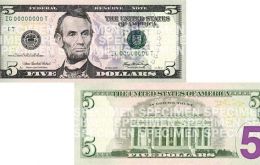
A new $5 bill, with enhanced security features, will enter circulation in early 2008, a new $100 bill will follow but an official introduction date has not been set.
-
Thursday, September 20th 2007 - 21:00 UTC
Bank of England urges legislative review
Bank of England Governor Mervyn King has called for a legislative overhaul to help prevent a repeat of the Northern Rock banking crisis.
-
Tuesday, September 18th 2007 - 21:00 UTC
US Central Bank cuts interest rate to 4.75%
US interest rate-setters have decided to cut rates for the first time since mid-2006, from 5.25% to 4.75%, more than had been expected.
-
Monday, September 17th 2007 - 21:00 UTC
Greenspan in housing market warning

World-renowned economist Alan Greenspan has warned that Britain's housing market is set to turn and predicted a difficult time ahead for homeowners
-
Monday, September 17th 2007 - 21:00 UTC
UK: Farmers' auction off due to ban

Britain's biggest sale of breeding lambs has been cancelled because of restrictions on animal movements.
-
Monday, September 17th 2007 - 21:00 UTC
UK: Pioneering wave farm approved

The Government will give planning approval for the world's first large scale wave farm off the UK coast.
-
Monday, September 17th 2007 - 21:00 UTC
EU immigrant 'blue card' to attract skilled workers

The European Union's top justice official is advocating for the bloc to open it's doors to 20 million more immigrant workers over the course of the next two decades.
-
Monday, September 17th 2007 - 21:00 UTC
UK Government guarantees bank deposits

Ministers took dramatic action in an attempt to end the crisis at Northern Rock as Chancellor Alistair Darling announced the Government would guarantee all deposits with the bank.
-
Sunday, September 16th 2007 - 21:00 UTC
China tries to cope with inflation, liquidity and bubbles
China raised interest rates on Friday for the fifth time this year, in the latest of a series of tightening steps to cap inflation and prevent the world's fastest growing economy from overheating.
-
Sunday, September 16th 2007 - 21:00 UTC
“The Great Uruguayan Tannat Tasting, New York”

“Uruguay's wine industry, particularly Tannat, received ample praise from New York City's gourmets and media during the recent Fourth Annual Great Tannat Tasting.”