MercoPress. South Atlantic News Agency
Economy
-
Friday, June 19th 2020 - 10:08 UTC
Toothfish season underway at South Georgia

The Government of South Georgia and South Sandwich Islands, GSGSSI, usually celebrates the toothfish fishery on the 4th September each year – Toothfish day. However, this season celebrations started early, when, on the 1st May the first vessels arrived at South Georgia for the start of the 2020 fishing season.
-
Friday, June 19th 2020 - 09:40 UTC
Germany calls on the EU to prepare for a no deal post Brexit with UK

The German government is urging other EU states to prepare for a no deal Brexit, according an internal document that casts doubt on Britain’s optimism over chances of an early agreement on its future ties with the bloc.
-
Friday, June 19th 2020 - 09:30 UTC
Bank of England: It's not that bad so the bond-buying program will be scaled down
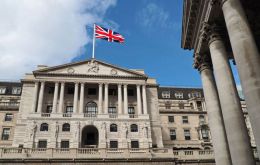
The Bank of England slowed the pace of its huge bond-buying program on Thursday as it saw some signs that the British economy was recovering from the unprecedented slump caused by the coronavirus lockdown.
-
Thursday, June 18th 2020 - 21:10 UTC
US and EU clash over taxes on digital firms; accord or no accord France will apply a 3% levy by end of the year

France said a U.S. decision to quit global talks on how to tax big digital firms such as Google, Amazon, and Facebook was a “provocation” and the European Union said it could impose taxes even if no deal was reached by year-end.
-
Thursday, June 18th 2020 - 13:30 UTC
Chile heading for its worst economic contraction in 35 years, central bank

The Chilean central bank said on Wednesday that the economy of the world’s top copper producer would contract between 5.5% and 7.5% in 2020, taking it to the lowest levels since the Latin American debt crisis of the 1980s.
-
Thursday, June 18th 2020 - 12:36 UTC
Brazil retail sales plunge in April anticipating a major contraction of the economy

Brazilian retail sales plunged at a record pace in April as social isolation measures choked spending, official figures showed indicating the economy’s contraction in the second quarter could be even more severe than anticipated.
-
Thursday, June 18th 2020 - 12:32 UTC
Brazil slashes benchmark interest rate 75 basis points to a record low of 2,25%

Brazil’s central bank cut its benchmark interest rate by 75 basis points to a record low of 2.25% on Wednesday, as expected, and said there was some room left for further monetary stimulus to support an economy ravaged by the coronavirus pandemic.
-
Thursday, June 18th 2020 - 12:29 UTC
Brazil's service sector slumped 11,7% in April on a year on year basis

Services activity in Brazil slumped 11.7% in April, figures showed on Wednesday, the biggest fall since comparable record-keeping began nearly a decade ago as social isolation measures to combat the COVID-19 outbreak slammed the economy into reverse.
-
Thursday, June 18th 2020 - 11:15 UTC
EU conditions post-Brexit UK talks and looks ahead to three months of intense discussions

The European Union's chief executive, Ursula von der Leyen, said on Wednesday that the bloc will do its best to seal an agreement on new ties with Britain by the end of the year but will not compromise its core values, notably on fair competition.
-
Wednesday, June 17th 2020 - 17:51 UTC
Trump administration nominates White House official to lead the Inter American Development Bank
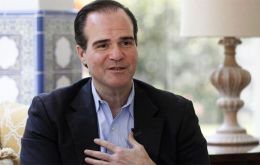
The Trump administration announced it plans to nominate the top White House official for Latin America to lead the Inter-American Development Bank, aiming to break a six-decade tradition of choosing the bank's leadership from candidates in that region.