MercoPress. South Atlantic News Agency
Economy
-
Thursday, August 13th 2026 - 06:55 UTC
The main land crossing between Argentina and Chile passes its winter closure record
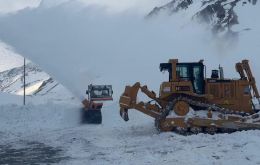
The Cristo Redentor international crossing, which links the Argentine province of Mendoza with Chile's Valparaíso Region through the Andes, has now been closed for close to a month because of a snow and wind storm, surpassing the winter closure record set in 2023. Authorities on both sides estimate it could reopen next week, depending on weather conditions.
-
Wednesday, August 12th 2026 - 06:28 UTC
YPF divests its stake in gas distribution for 780 million dollars

Argentine oil company YPF, 51% state-controlled, has accepted Edenor's offer to buy its stake in Metrogas and Metroenergía for 780 million dollars, according to a filing submitted on Monday to the securities regulator. The deal takes the company out of the natural gas distribution business.
-
Wednesday, August 12th 2026 - 00:16 UTC
US disables a Panama-flagged container ship off the coast of Pakistan
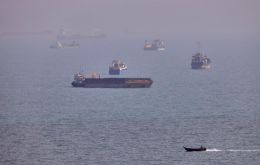
US forces struck the Panama-flagged container ship Vela Nova in the Gulf of Oman on Tuesday, leaving it unable to steer, after it attempted to head for an Iranian port in violation of the naval blockade imposed by Washington, US Central Command (CENTCOM) confirmed.
-
Saturday, August 8th 2026 - 07:26 UTC
Falklands: rise in the CPI, caused by the conflict in the Middle East
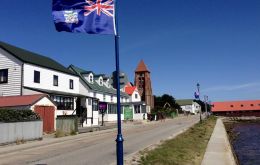
The Consumer Price Index (CPI), according to official Falkland Islands figures, recorded a quarterly increase of 3.4% as a result of the impact of higher fuel prices.
-
Wednesday, August 5th 2026 - 08:46 UTC
Brasília accuses Washington of seeking to interfere in the October elections

Brazil's government on Tuesday accused the United States of attempting to interfere in the October 4 presidential election, responding to the revocation of the visa of its ambassador in Washington, Maria Luiza Ribeiro Viotti.
-
Wednesday, August 5th 2026 - 08:29 UTC
PM Burnham hands mayors share of income tax “to make lives better in every postcode”

The Prime Minister Andy Burnham has launched the biggest transfer of power from Westminster in a generation, giving communities greater control over the decisions that shape jobs, transport, housing and public services in their area.
-
Wednesday, August 5th 2026 - 08:00 UTC
Six million UK household will access the £150 Warm Home Discount; register names in energy bills

Six million of British households are set to save £150 on energy bills this winter, as government urges eligible households to check they are named on their bill to get the Warm Home Discount automatically. Every household where the bill payer is on means-tested benefits is in line for the rebate, following the expansion of the scheme last year.
-
Tuesday, August 4th 2026 - 06:21 UTC
Around 140 vessels stranded at Argentine ports after government deregulation decree
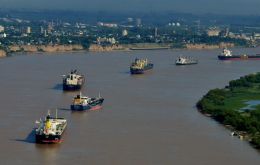
Around 140 vessels were waiting on Monday to enter or leave Argentine ports after maritime pilots stopped accepting new assignments in protest at a decree deregulating their profession. The figures come from industry sources; some reports put the number above 150.
-
Friday, July 31st 2026 - 23:11 UTC
Argentina's central bank reform bill reaches the lower house: what would change

Argentina's executive branch sent the bill to overhaul the central bank's charter to the Chamber of Deputies on Friday, a day after President Javier Milei outlined it in a nationwide broadcast. The measure will formally enter the parliamentary record on Monday and be referred to committees; the government hopes to pass it in August.
-
Friday, July 31st 2026 - 08:02 UTC
Stability alone does not buy a house: Georgieva's message in Montevideo
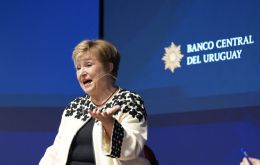
International Monetary Fund Managing Director Kristalina Georgieva praised Uruguay's macroeconomic and institutional strength on Thursday but urged authorities to take greater risks to turn that stability into growth.