MercoPress. South Atlantic News Agency
Energy & Oil
-
Saturday, March 9th 2019 - 09:26 UTC
Venezuela comes to a halt as the blackout extends for a second day
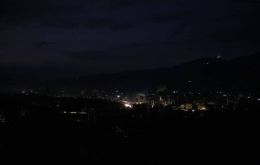
Venezuela shut schools and suspended the workday on Friday as the worst blackout in decades paralyzed most of the troubled nation for a second day, spurring outrage among citizens already suffering from hyperinflation and a crippling recession.
-
Saturday, March 9th 2019 - 08:57 UTC
World's largest sovereign fund, belonging to Norway, diversifying from oil
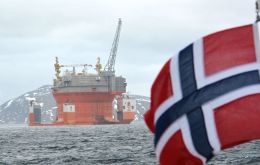
Norway's US$ 1 trillion sovereign wealth fund is expected to sell some of its oil and gas holdings. The world's largest sovereign wealth fund owns US$ 37bn of shares in oil companies such as BP, Shell and France's Total.
-
Friday, March 8th 2019 - 09:11 UTC
Premier Oil reports 2018 profit as a result of record production
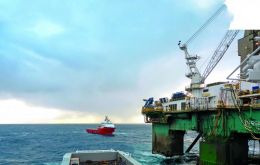
UK-based oil and gas firm Premier Oil with interests in the Falkland Islands has announced its full-year results for 2018, reporting a post-tax profit hike to US$ 133.4m as a result of record production. These full-year results are a ‘return to profitability’ from 2017’s full-year loss of US$ 253.8m.
-
Friday, March 8th 2019 - 08:44 UTC
Major blackout in Venezuela; Caracas in complete darkness: “light will return when Maduro is removed”
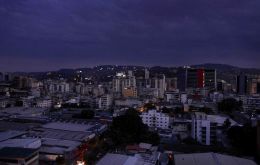
Most of Venezuela has been hit by a continuing electricity blackout that began on Thursday afternoon. The power cut plunged the capital Caracas into almost complete darkness during rush hour and has extended to the vast majority of the country.
-
Thursday, March 7th 2019 - 08:43 UTC
UK and industry plan 30% of electricity from offshore wind farms by 2030
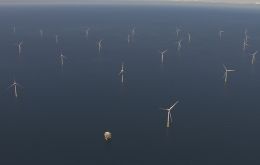
A deal confirmed between the UK government and the wind industry will ensure 30% of electricity comes from offshore wind by 2030. The move will help the UK towards the aim of securing almost all its power from low-carbon sources by 2030.
-
Wednesday, March 6th 2019 - 10:15 UTC
Colombia to begin oil exploration offshore in the Caribbean
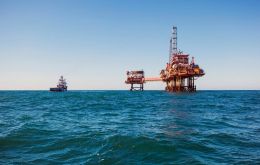
Colombia and its state-run oil company, Ecopetrol, announced they have signed an offshore exploration and production deal for a nearly 400,000-hectare (988,000-acre) bloc in the Caribbean, the country's first new oil and gas contract in more than four years.
-
Wednesday, March 6th 2019 - 08:44 UTC
S&P slashes credit rating of several leading Mexican companies including national oil Pemex
Rating agency Standard & Poor’s (S&P) slashed the credit rating for Mexico’s national oil company Petroleos Mexicanos, or Pemex, piling more pressure on the government to tighten up the debt-laden oil firm’s finances.
-
Tuesday, March 5th 2019 - 09:17 UTC
Libyan main oilfield back in production in coming days
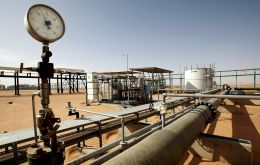
Libyan state oil company NOC said on Monday it had lifted force majeure at the El Sharara oilfield, the country's biggest, which has been closed since December when state guards and tribesmen seized it.
-
Friday, March 1st 2019 - 13:05 UTC
Maduro moves PDVSA office to Moscow to avoid sanctions
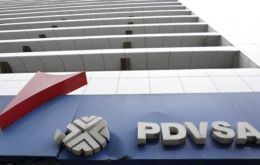
Venezuelan Vice President Delcy Rodriguez announced at a press conference with Russian Foreign Minister Sergey Lavrov that the central office of state oil company PDVSA in Europe, located in Lisbon, will move to Moscow to guarantee the security of the country's assets abroad, which were delivered to the Venezuelan Parliament in other countries.
-
Friday, February 22nd 2019 - 09:24 UTC
Brazilian oil production challenges OPEC' attempts to balance the market and prices
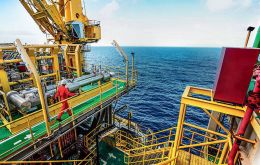
While everyone is talking about how surging U.S. crude oil production will offset a large part of the ongoing OPEC/non-OPEC production cuts, there are other oil producers not taking part in the OPEC+ deal and poised to see their output jump this year.