MercoPress. South Atlantic News Agency
Health & Science
-
Saturday, December 22nd 2018 - 07:32 UTC
Argentina launches the Antarctica Summer Campaign with icebreaker ARA Irizar
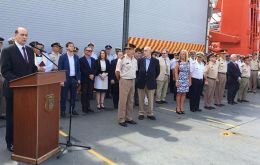
With the departure of icebreaker ARA Almirante Irizar, Argentina launched this week its Antarctica Summer Campaign 2018/19. The re furbished icebreaker is scheduled to develop an intense scientific activity, supply Argentina's bases and stations and replace the teams that will be spending a whole season in Antarctica.
-
Wednesday, December 19th 2018 - 10:07 UTC
Newly discovered amphibian has been named after Donald Trump

United States presidents tend to receive their fair share of honors, but Donald Trump may want to ignore his latest one. A newly discovered amphibian that buries its head in the sand has been named after him, apparently in response to his comments about climate change.
-
Tuesday, December 18th 2018 - 09:13 UTC
Antarctica wildlife exposed to human linked pathogens, including antibiotic resistant microbes
Infectious diseases are commonly passed along from humans to animals, but a new study is the first to document human-linked pathogens on the isolated continent of Antarctica. The researchers discovered antibiotic-resistant microbes and other bacterial strains in bird poop, raising new concerns about the health of Antarctic bird colonies.
-
Saturday, December 15th 2018 - 08:42 UTC
WHO expert panel to develop global standards of human gene editing

WHO is establishing a global multi-disciplinary expert panel to examine the scientific, ethical, social and legal challenges associated with human gene editing (both somatic and germ cell).
-
Wednesday, December 12th 2018 - 10:15 UTC
Falklands people have decided to name Extra Care Facility, “Tussac House”
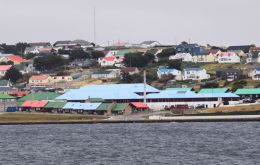
The Falkland Islands Government has announced that following an extensive public engagement process the name of the new Extra Care Facility in Stanley will be ‘Tussac House’.
-
Monday, December 10th 2018 - 09:44 UTC
WHO: road traffic injuries the leading killer of children and young people
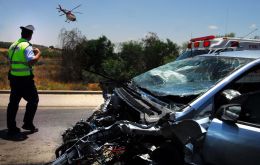
A new report by the World Health Organization (WHO) indicates road traffic deaths continue to rise, with an annual 1.35 million fatalities. The WHO Global status report on road safety 2018 highlights that road traffic injuries are now the leading killer of children and young people aged 5-29 years.
-
Saturday, December 1st 2018 - 10:18 UTC
World AIDS Day 2018, “Know your status”, celebrates 30th anniversary
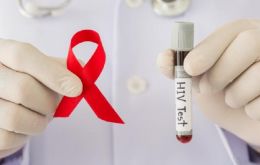
World AIDS Day 2018 will be commemorated on Saturday December first under the global theme “Know your status”. The occasion also celebrates the 30th anniversary of World AIDS Day, first initiated by WHO in 1988.
-
Thursday, November 29th 2018 - 11:12 UTC
Cannabis-based meds plant opens in Uruguay

ICC Labs Inc., a subsidiary of Canada’s Aurora Cannabis Inc., opened Wednesday in Montevideo and became the subcontinent's first producer of cannabis-derived pharmaceuticals with a capacity “to supply almost the entire South American continent,” according to the company's CEO Alejandro Antalich.
-
Monday, November 26th 2018 - 07:40 UTC
New Zealand reports the death of some 145 pilot whales stranded in a beach
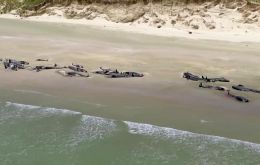
Like it happened in the Falkland Islands earlier in the month a group of up to 145 pilot whales have died after becoming stranded on a beach on Stewart Island in New Zealand. The animals were discovered by walkers late on Saturday, strewn along the beach of Mason Bay.
-
Saturday, November 24th 2018 - 06:54 UTC
Brazil says it has covered 84% of vacancies left by the Cuban doctors

As Cuban doctors in Brazil begin to head home amid a diplomatic spat between Havana and the Brazilian far-right president-elect, the health ministry of the country said nearly 84% of the resulting vacancies had already been filled.
