MercoPress. South Atlantic News Agency
International
-
Wednesday, August 1st 2007 - 21:00 UTC
OPEC holds 77.2% of proven global oil reserves
The Organization of Petroleum exporting countries, OPEC, holds 77.2% of the world's proven reserves and 49.3% of natural gas, according to the latest Annual Statistical Bulletin for 2006, an anticipation of which was released this week in Vienna but will be officially presented on September 13.
-
Wednesday, August 1st 2007 - 21:00 UTC
British Airways suspends winter Madrid/Gibraltar schedule

British Airways will be suspending its daily winter flights between Madrid and Gibraltar, which were launched last May, given technical restrictions in both airports, announced local operator GB Airways. The last British Airways from Madrid to Gibraltar will take off September 30.
-
Wednesday, August 1st 2007 - 21:00 UTC
Lead case could help 2.000 Gurkhas settle in United Kingdom

A Gurkha who is prepared to fight and die in battle for Britain should be allowed to stay in the UK, an immigration tribunal has been told. About 20 Gurkhas, many wearing medals and clutching their berets, sat quietly listening to legal arguments in a test case which could help decide whether 2,000 Gurkhas could settle in Britain.
-
Tuesday, July 31st 2007 - 21:00 UTC
New attempt by China to cool the economy (and trade partners)
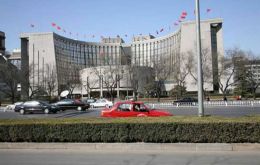
For a sixth time this year China tightened credit on Monday in a new effort to cool its roaring economy, ordering banks to shrink the pool of money for lending by increasing their reserves.
-
Tuesday, July 31st 2007 - 21:00 UTC
Air traffic on the rise: 1.800 new aircrafts in next 18 months

Air traffic results for the first six months of the year expanded 6.3% in year-on-year international passenger demand, slightly higher than the 5.9% full-year rise recorded for the year 2006, according to the latest report from the International Air Transport Association, IATA
-
Sunday, July 29th 2007 - 21:00 UTC
WHO report exposes children's pollution vulnerability

With over 30% of the global burden of disease in children attributable to environmental factors, the United Nations health agency delivered the first ever report highlighting youngsters' special susceptibility to harmful chemical exposures at different periods of their growth, and the potential effects later in life.
-
Saturday, July 28th 2007 - 21:00 UTC
IMF candidate says bridging rich/poor gap is essential

Bridging the gap between rich and poor countries should be as high a priority for the International Monetary Fund as helping to solve the world's financial imbalances, Dominique Strauss Kahn, the probable next managing director of the IMF told the Financial Times.
-
Saturday, July 28th 2007 - 21:00 UTC
Spain/UK/US controversy over wreck near Gibraltar
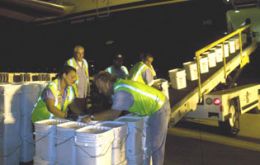
A Unites States court extended the deadline by which Odyssey Marine Exploration must reply to a request from Spain for information on a wreck arrested by the company in the Atlantic Ocean, reports the Gibraltar Chronicle.
-
Friday, July 27th 2007 - 21:00 UTC
Floods in England: two dead and short on drinking water

Two people died on Thursday and 140.000 household in Gloucestershire remain without drinking water raising health and sanitation fears following several days of extensive flooding in central and west England caused by the wettest June and July on record in the UK.
-
Friday, July 27th 2007 - 21:00 UTC
Global stock markets plunge on fears of credit crunch
United States Treasuries surged Thursday in a flight to safety as stocks plunged in the US and Europe on growing fears of a global credit crunch and weaker than expected economic data.