MercoPress. South Atlantic News Agency
Politics
-
Thursday, December 27th 2012 - 02:52 UTC
Brazil raises minimum wage and lowers taxes on share earnings
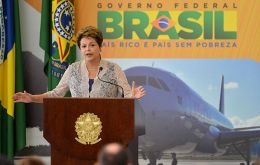
Brazil's government announced on Monday it would raise the statutory monthly minimum wage by an above-inflation 9% to 678 Reais (330 US dollars) a month, a rise that comes at the end of a year of tepid economic growth.
-
Thursday, December 27th 2012 - 02:47 UTC
Argentine government blasts farmers’ strike who are considering further actions
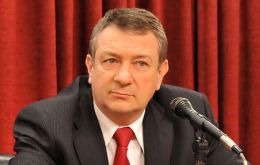
Argentine Agriculture and Livestock Minister Norberto Yauhar accused farmers who organized what proved to be a very effective 24 hours livestock trading strike on Wednesday, of responding to ‘political interests’. The farmers’ Liaison Board said they are considering extending the protest to other economic activities.
-
Thursday, December 27th 2012 - 02:38 UTC
“Uruguay needs leaders in government, not demagogues” says transport businessman
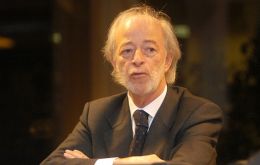
The country “needs leaders in government, not demagogues” said Juan Carlos López Mena a leading businessman of Uruguay’s tourism and transport industry who is also investing heavily in agriculture and an incipient regional airline.
-
Wednesday, December 26th 2012 - 06:53 UTC
Falklands’ share Norway’s oil wealth fund and port infrastructure experience

Though plagued with flu and taking place largely in darkness, the recent visit to Norway by Members of the Legislative Assembly and senior government officials appears to have produced encouraging results and shone some light on possible developments in the Falkland Islands, according to MLA Dick Sawle.
-
Wednesday, December 26th 2012 - 06:35 UTC
Life sentence for Argentine civilian minister who worked with the military dictatorship
An Argentine federal court handed down life sentences on Dec. 19 to former Buenos Aires province interior minister Jaime Smart (1976-1979), former Buenos Aires province police investigations director Miguel Osvaldo Etchecolatz and 14 former police and military personnel for genocide and crimes against humanity in the cases of 280 people detained during the 1976-1983 “dirty war” against suspected leftists.
-
Wednesday, December 26th 2012 - 06:16 UTC
UK Parliament addresses disruption of Falklands’ shipping and tourism by Argentina
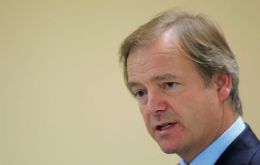
The disruption of shipping and tourism in Argentina and the Falkland Islands reached the British Parliament and was addressed by Foreign Office officials who said the UK regrets the Argentine attitude but is also holding talks with international partners that share concerns about illegitimate interferences, and with the cruise industry.
-
Wednesday, December 26th 2012 - 06:03 UTC
YPF and PDVSA will explore Malvinas continental shelf for oil, says Pagina 12

According to reports in the Argentine media, the nationalized Argentine oil company YPF, formerly owned by Spain's Repsol, will be teaming up with Venezuelan oil giant PDVSA to explore the continental shelf around the Falkland/Malvinas Islands for oil.
-
Wednesday, December 26th 2012 - 05:54 UTC
Ecuador’s Correa prepares for re-election: increases minimum salary 9%
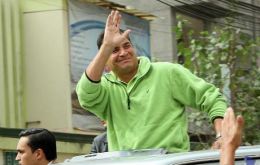
Ecuadorean President Rafael Correa announced a 9% increase in the minimum wage for private-sector workers for 2013, a move that may help consolidate his February re-election bid that polls broadly show him favoured to win.
-
Sunday, December 23rd 2012 - 07:03 UTC
Merry Christmas from MercoPress

MercoPress wishes a happy holiday season to all its readers and sponsors!
-
Saturday, December 22nd 2012 - 22:22 UTC
Preaching resentment and confrontation led to extended rioting in Argentina, says leading political analyst
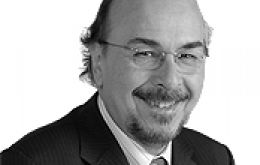
Argentina has lost its limits and references, and this was dramatically expressed these last few days says Joaquin Morales Solá, one of the country’s most respected political analysts, when the looting and rioting extended from Resistencia to the north next to Paraguay, to Bariloche in Patagonia.

