MercoPress. South Atlantic News Agency
United States
-
Saturday, May 9th 2020 - 07:56 UTC
Tougher visa guidelines for Chinese journalists in US
The United States issued a new rule on Friday tightening visa guidelines for Chinese journalists, saying it was in response to the treatment of US journalists in China, a shift that comes amid tensions between the two nations over the coronavirus global pandemic.
-
Friday, May 8th 2020 - 08:55 UTC
Washington Post exposes links between US company and Venezuela opposition plot to capture and oust Maduro
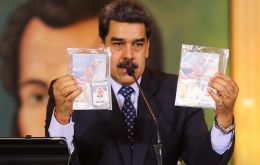
Members of Venezuela’s opposition in October negotiated a US$ 213 million deal with a small Florida security company to invade the country and overthrow President Nicolas Maduro, according to a document published by the Washington Post on Thursday.
-
Friday, May 8th 2020 - 08:39 UTC
Nearly a fifth of US children not getting enough to eat since pandemic outbreak
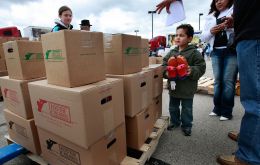
Nearly a fifth of young children in the United States are not getting enough to eat since the coronavirus pandemic erupted, according to research released on Wednesday, highlighting the broader health impact of the crisis.
-
Friday, May 8th 2020 - 08:39 UTC
Michigan and California reopen lockdowns with go ahead for the auto industry
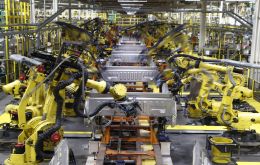
Michigan and California, two U.S. manufacturing powerhouses, acted on Thursday to allow factories to reopen from coronavirus lockdowns over the next few days, as millions more Americans joined the ranks of workers left jobless by the pandemic.
-
Friday, May 8th 2020 - 08:32 UTC
Proposal to rename street in front of China's embassy after Wuhan doctor punished for warning about Covid-19
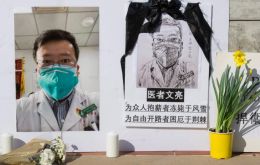
United States lawmakers on Thursday proposed renaming the street in front of China's embassy after the late Wuhan doctor who was punished after warning about the new coronavirus, a step sure to outrage Beijing.
-
Friday, May 8th 2020 - 08:26 UTC
US russet potatoes farmers giving away production before next July crop
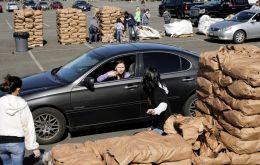
When Tina Yates pulled her truck up to a mall in western Washington state on Thursday, workers waved her past hundreds of cars waiting to pick up free russet potatoes.
-
Friday, May 8th 2020 - 07:41 UTC
Trump and Pence test negative as a White House valet comes down with the virus
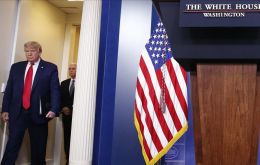
United States President Donald Trump and Vice-President Mike Pence have tested negative for the novel coronavirus after a member of the US military who works at the White House as a valet came down with the virus.
-
Thursday, May 7th 2020 - 13:11 UTC
Venezuela television shows a captured US “terrorist” as part of a plot to oust Maduro

Venezuelan state television broadcast on Wednesday a video of captured American Luke Denman, in which he said he was instructed to seize control of Caracas' airport and bring in a plane to fly President Nicolas Maduro to the United States.
-
Thursday, May 7th 2020 - 07:56 UTC
US will use all options to free two Americans detained in Venezuela in an alleged failed mercenary attack
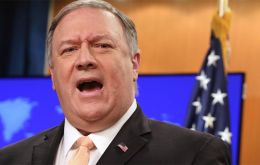
The United States will use all options to free two Americans said to be detained in a failed mercenary attack in Venezuela, Secretary of State Mike Pompeo said on Wednesday. “If the Maduro regime decides to hold them, we will use every tool that we have available to try to get them back,” Pompeo told reporters.
-
Thursday, May 7th 2020 - 07:50 UTC
Trump shifts primary focus to reviving US business and social life; Democrats criticize “undermining science”
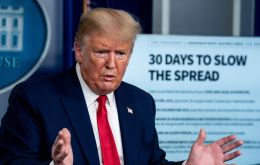
President Donald Trump said on Wednesday his coronavirus task force would shift its primary focus to reviving US business and social life while acknowledging that reopening the economy could put more lives at risk.

