MercoPress. South Atlantic News Agency
Falklands and South Georgia stand out in WOAH “Devastating Biodiversity Loss” report on HPAI
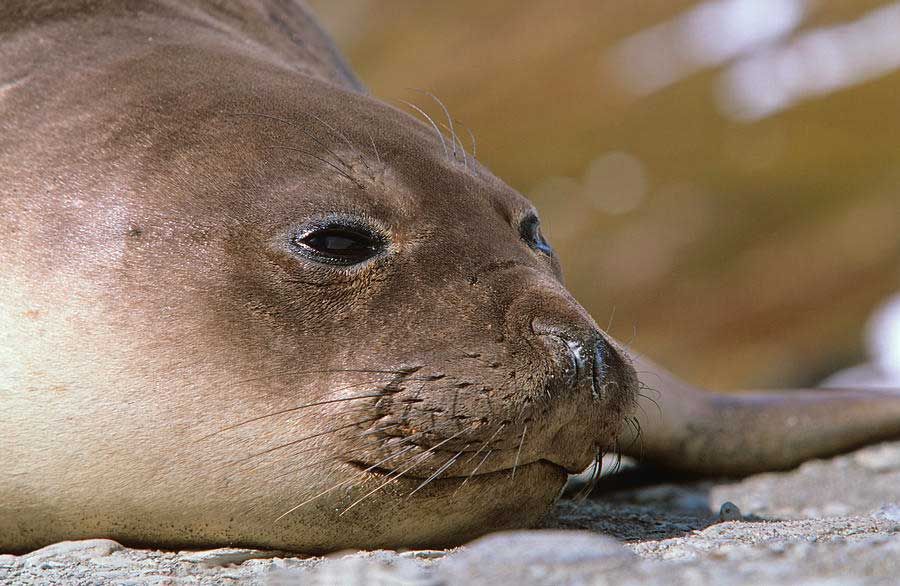 In South Georgia, new infections are being reported in southern elephant seals (Mirounga leonina), compounding losses of nearly 50% of breeding females since 2023.
 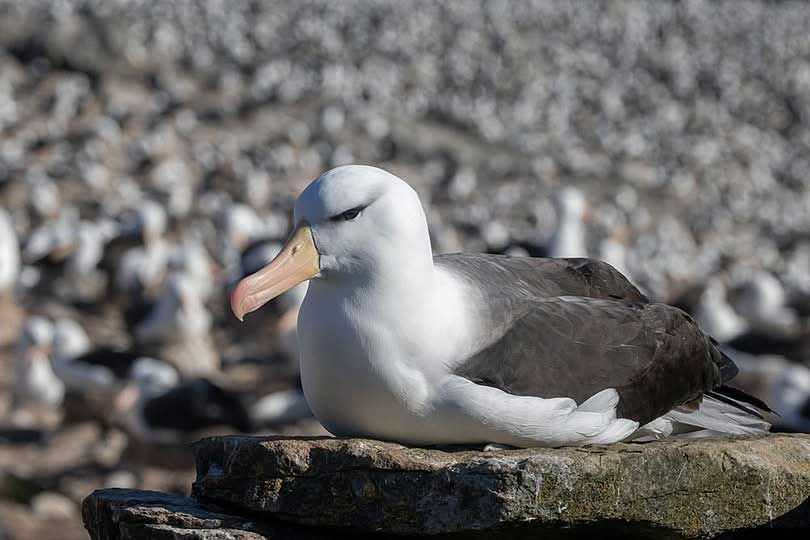 In the Falkland Islands, the world’s two largest colonies of black-browed albatrosses experienced recurrent HPA
 The World Organization for Animal Health (WOAH) has released a critical statement on the devastating impact of High Pathogenicity Avian Influenza (HPAI) on wildlife populations worldwide. The organization reports that the current panzootic is causing unprecedented ecological disruption and mortality rates across a rapidly expanding range of species.
Recent events highlight the scale and persistence of this threat. The European Food Safety Authority reported exceptionally high HPAI activity in wild birds during Europe’s 2025 autumn migration, with detections quadrupling those reported in 2024 and representing the highest levels observed since 2016. Among the affected species were common cranes (Grus grus), with more than 20,000 deaths recorded in Germany alone.
In North America, the virus remains widespread in wild birds and is increasingly detected in a wide range of mammalian species. In the sub Antarctic islands of South Georgia, new infections are being reported in southern elephant seals (Mirounga leonina), compounding losses of nearly 50% of breeding females since 2023. Similarly, in the neighboring Falkland Islands, the world’s two largest colonies of black-browed albatrosses (Thalassarche melanophris) experienced recurrent HPAI outbreaks and a marked decline in the number of breeding birds in 2024 and again in 2025.
These mortality events have far-reaching ecological consequences. Population declines, reproductive failure, and disrupted species interactions can undermine ecosystem stability and species conservation, with potential generational impacts. Continued spillover into mammals also elevates One Health (*) concern, with potential implications for companion animals, livestock production and human health.
Reducing further impacts and supporting recovery requires expanded and coordinated wildlife surveillance, rapid genomic characterization of viruses, improved data sharing, integration of broader conservation actions, and addressing other conservation threats such as habitat loss, overfishing, invasive species, pollution, and climate change.
Innovative approaches such as Nature-based solutions that strengthen ecological resilience and maintain the natural barriers that limit pathogen spillover should be actively explored. Examples of these solutions include supporting natural scavenger populations to enhance biological removal of infected carcasses, restoring and protecting wetlands and coastal habitats to reduce crowding of migratory birds, maintaining heterogeneous freshwater–coastal landscapes that disperse foraging and roosting densities, and minimizing artificial congregation points that can serve as viral hot spots.
Veterinary authorities and wildlife health professionals are instrumental in establishing strategies and coordinating control plans for HPAI that emphasize biosecurity and bio-surveillance involving both wild and domestic animals and timely sharing of up to date information on HPAI events.
(*) One Health approach summarizes a concept that has been known for more than a century; that human, animal and plant health are interdependent and bound to the health of the ecosystems in which they exist.(a case is dairy farming in the US)

Top Comments
Disclaimer & comment rulesCommenting for this story is now closed.
If you have a Facebook account, become a fan and comment on our Facebook Page!