MercoPress. South Atlantic News Agency
Stories for December 30th 2025
-
Tuesday, December 30th 2025 - 20:32 UTC
Milei tells Telegraph Malvinas' claim non-negotiable

Argentine President Javier Milei sparked a fresh diplomatic controversy this week after telling London's The Telegraph that his country's sovereignty claim over the Falkland/Malvinas Islands was non-negotiable.
-
Tuesday, December 30th 2025 - 10:55 UTC
Which countries improved the most this year? Argentina and Syria for The Economist

The Economist has chosen two countries for outstanding/impressive achievements during 2025. A controversial selection based on particular criteria to measure them, but since The Economist is a global leading voice, very knowledgeable and respected, in international affairs it is also a great merit for those countries named.
-
Tuesday, December 30th 2025 - 10:38 UTC
Over 3.2mn foreign travelers visit Uruguay through November 2025

Uruguay’s tourism sector has solidified its position as a primary engine of the national economy, welcoming 3,207,536 international visitors between January and November 2025. According to the latest report from the Ministry of Tourism (Mintur), these travelers generated an estimated US$1.784 billion in foreign exchange earnings.
-
Tuesday, December 30th 2025 - 10:18 UTC
Argentine judge annuls Anti-Blockades Protocol
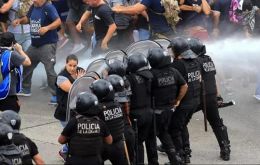
A federal judge in Buenos Aires declared the Argentine government’s controversial “anti-picket” protocol null and void on Monday, sparking a major legal and political confrontation between the judiciary and the Security Ministry.
-
Tuesday, December 30th 2025 - 10:15 UTC
US conducts first ground-target strike in Venezuela as Operation Southern Spear escalates

US President Donald Trump confirmed on Monday that the United States has launched its first strike against a land-based target in Venezuela, marking a significant escalation in the administration's “anti-narco-terrorism” campaign.
-
Tuesday, December 30th 2025 - 09:55 UTC
Power cuts reported in São Paulo due to heavy rains

Some 31,000 households were left without electricity on Monday in São Paulo after heavy rains late in the afternoon, leading to a Civil Defense flooding alert in South America's largest city.
-
Tuesday, December 30th 2025 - 09:42 UTC
Petro orders huge minimum wage increase in Colombia
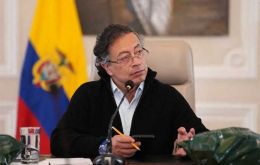
Colombian President Gustavo Petro announced on Monday a historic 23.7% increase in the minimum wage for 2026, making it the largest upward adjustment in 25 years. The measure includes transport subsidies.