MercoPress. South Atlantic News Agency

Rubio outlines three-phase plan for Venezuela's recovery
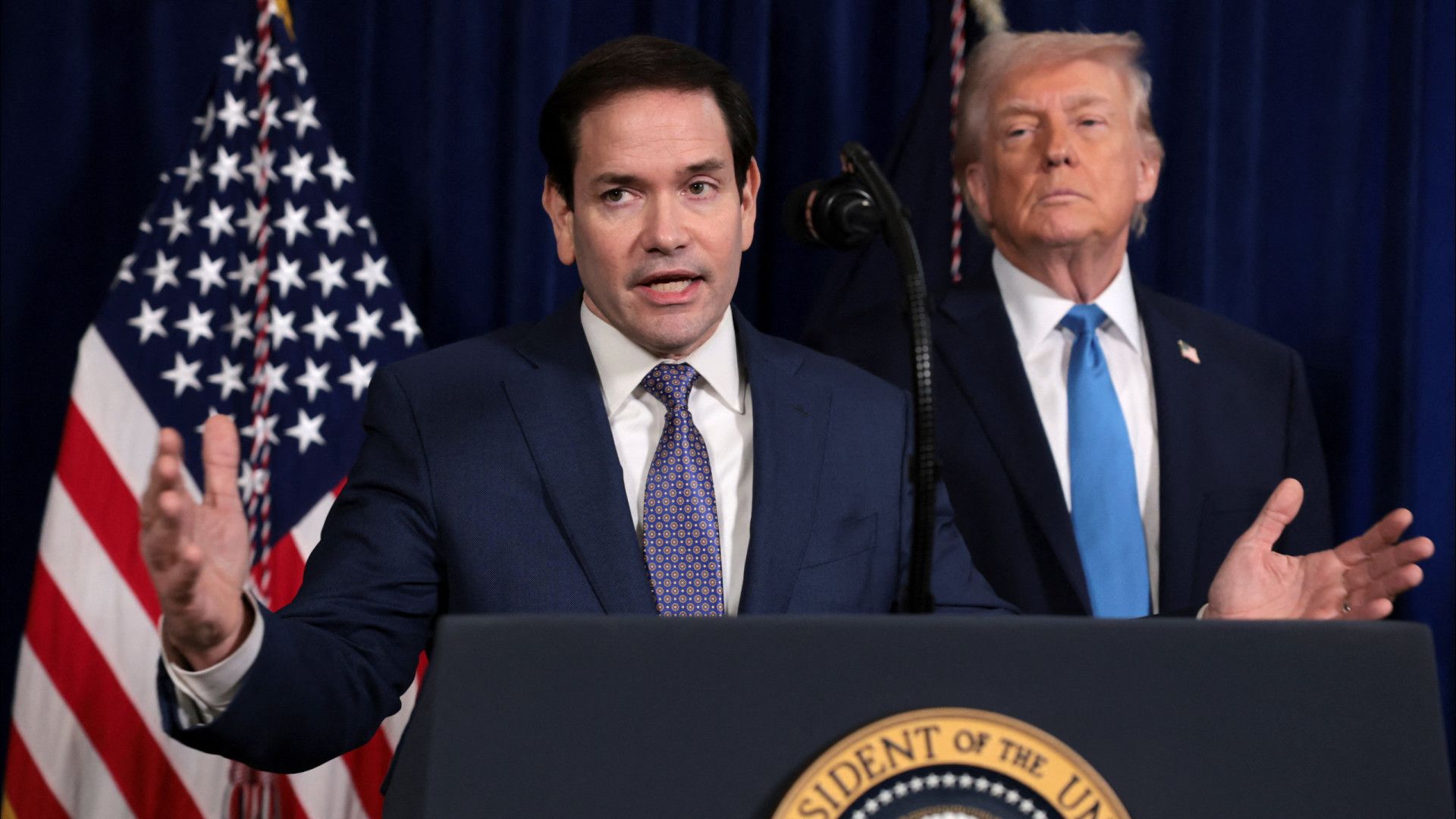 More specific “operational details” are to be revealed shortly, Rubio said
 US Secretary of State Marco Rubio described on Wednesday before his country's Senate the President Donald Trump administration's three-phase plan for Venezuela’s political and economic future.
The initiative grants the Republican government “maximum control” over Caracas' oil resources to dictate terms to the interim government at the Miraflores Palace. Rubio outlined a sequential process designed to prevent “chaos” while dismantling the remnants of the Maduro era:
Under Phase 1, the immediate priority is preventing a total societal collapse. Hence, the US will maintain its naval blockade as the primary tool of leverage.
Then, during Phase 2, the administration aims to reopen the Venezuelan market to American and Western energy companies under “fair” terms. Simultaneously, Rubio announced a push for “national reconciliation,” which includes amnesties for opposition figures and the release of political prisoners to help rebuild the country’s civil society.
And Phase 3 will involve a formal shift in governance. While Rubio noted that the ultimate transformation is “up to the Venezuelan people,” he emphasized that the US is currently “dictating” the interim government's decisions to ensure alignment with Washington's security and energy interests.
White House Press Secretary Karoline Leavitt reinforced Rubio’s comments, stating that the decisions made by acting president Delcy Rodríguez and her cabinet are being closely coordinated with —and directed by— the United States. These “decisions are going to continue to be dictated by the United States of America,” Leavitt told reporters, citing the success of the recent operation to capture Nicolás Maduro as the source of this “maximum leverage.”
Despite pressure from international observers and the Venezuelan opposition for a swift return to the polls, the White House has refused to set a date for new elections. Leavitt maintained that it is “too premature” to discuss a timetable, noting that the administration is focused on executing the current oil deals and stabilizing the energy grid first.
Rubio indicated that some phases of the plan would overlap and that more specific “operational details” would be revealed in the coming days as the US executes further agreements with the interim authorities.
In this regard, Venezuelan opposition leaders such as Nobel Peace Prize laureate María Corina Machado and Edmundo González Urrutia, the alleged winner of the July 28, 2024, elections, are pushing to take over. However, Washington notes that this group lacks the on-site strength to control the Chavistas still in the country. Additionally, a large number of Venezuelans who were in exile and unable to vote back then would rather hold fresh elections with no disenfranchised contenders, albeit in due time.


Top Comments
Disclaimer & comment rulesCommenting for this story is now closed.
If you have a Facebook account, become a fan and comment on our Facebook Page!