MercoPress. South Atlantic News Agency


Venezuela releases political prisoners in first major gesture since Maduro’s capture
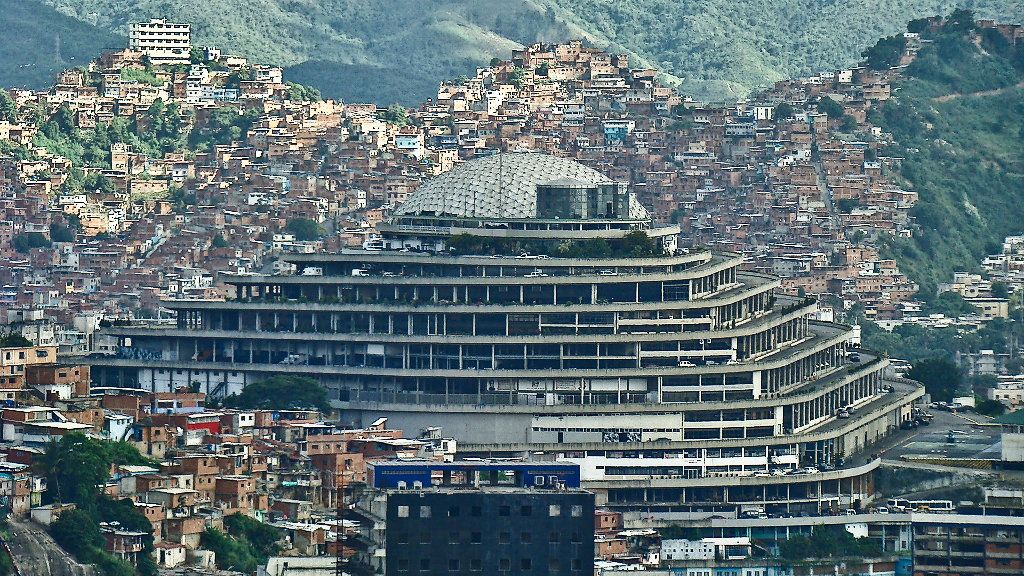 The Helicoide, located in Caracas, is also known as one of the largest torture centers in the Americas, according to various human rights organizations.
 Venezuela has begun releasing a “significant number” of political prisoners, including Venezuelan citizens and foreign nationals, in what authorities described as a unilateral gesture to help consolidate peace and peaceful coexistence in the country. The announcement comes less than a week after former president Nicolás Maduro was captured by U.S. forces and transported to New York to face federal charges.
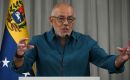
Jorge Rodríguez, head of Venezuela’s National Assembly and brother of interim president Delcy Rodríguez, announced the measure on Thursday without specifying the total number of detainees to be freed or detailed conditions of their release. “These release processes are occurring as of this very moment,” Rodríguez said during a televised announcement.
Among those reported released are five Spanish citizens, who Spain’s Foreign Ministry said would soon be assisted in returning home. One of the most notable figures freed is human rights lawyer Rocío San Miguel, who had been detained since February 2024 and whose arrest drew international criticism.
Human rights organizations as Foro Penal estimate that Venezuela held more than 800 political prisoners as of early January, making it the highest number in the Western Hemisphere, according to local watchdog groups. It remains unclear whether the recent releases constitute unconditional freedom or are subject to restrictions such as travel bans or court reporting requirements, which have applied in previous releases.
The release comes amid heightened political pressure both domestically and internationally, following the U.S. military operation on January 3 that led to Maduro’s arrest and the installation of Delcy Rodríguez as interim leader. This broader context has included U.S.-backed shifts in Venezuela’s diplomatic posture and discussions on energy and oil arrangements with Washington.
Civil society groups welcomed the move as a potentially positive step, but called for greater transparency and a broader amnesty to address what they describe as longstanding arbitrary detentions and repression under previous administrations. Human rights advocates say a comprehensive approach is needed to ensure sustained reforms and protect fundamental freedoms.
#URGENTE | Jorge Rodríguez informa que se ha “decidido la puesta en libertad de un número importante” de presos políticos venezolanos y extranjeros.
— Orlando Avendaño (@OrlvndoA) January 8, 2026
Dice que está ocurriendo desde este momento. pic.twitter.com/4CuTZMRNIN


Top Comments
Disclaimer & comment rulesCommenting for this story is now closed.
If you have a Facebook account, become a fan and comment on our Facebook Page!