MercoPress. South Atlantic News Agency

IMF coming to Venezuela's rescue?
 Unfolding political events in Caracas will play a key role in determining whether that option is available
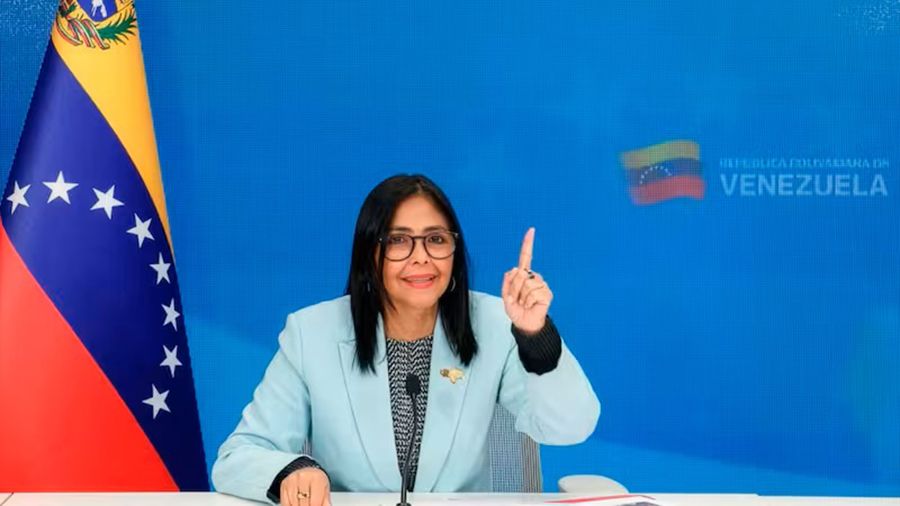
 US Secretary of the Treasury Scott Bessent announced on Monday a plan to stabilize Venezuela’s collapsing currency by re-engaging with global financial institutions. The strategy consists of unfreezing approximately US$4.9 billion in International Monetary Fund (IMF) Special Drawing Rights (SDRs) to provide much-needed liquidity to Caracas' Central Bank.
A central pillar of the strategy involves an unprecedented level of US oversight over Venezuela's oil industry to bypass previous black-market “shadow fleets.”
“We need to leverage and control those oil sales to drive the changes that simply must happen in Venezuela,” stated US Energy Secretary Chris Wright. He clarified that the US will maintain control “indefinitely” over sales, ensuring funds are deposited into US-controlled accounts to later “benefit the Venezuelan people.” US President Donald Trump confirmed that caretaker President Delcy Rodríguez had agreed to turn over between 30 and 50 million barrels of high-quality oil.
“This Oil will be sold at its Market Price, and that money will be controlled by me, as President of the United States... to ensure it is used to benefit the people of Venezuela and the United States!” Trump posted on Truth Social.
The intervention comes as Venezuela faces a dire exchange rate crisis. The official dollar rate hit 330.37 bolivars as of January 13, 2026 —a staggering 504% interannual depreciation, as economists fear the South American country was spiraling back toward hyperinflation.
The “exchange rate gap” has become a primary obstacle for local commerce. While the official rate sits at 330, parallel markets using cryptocurrencies or “PayPal dollars” have seen rates climb as high as 781 bolivars.
The US Treasury’s move to convert the US$4.9 billion in SDRs —frozen since 2021— is intended to triple the Central Bank’s ability to intervene in the market. Bessent noted that additional sanctions could be lifted “as early as next week” to facilitate these sales and the repatriation of stored crude oil revenues. However, experts remain cautious.
In addition to Bessent's statements, preliminary reports from Washington indicate that the “re-engagement” process will likely be conditional on several key economic and political pillars, all of them hinging on the upcoming political developments in Caracas under the residual, Nicolás Maduro-less, Bolivarian administration.
The IMF requires a “clear majority of the membership” to recognize a specific government. With the US now backing Interim President Delcy Rodríguez, a critical step will be for the IMF’s Executive Board to formally vote on recognizing this new authority to allow them to represent the country's interests at the Fund, it was explained.


Top Comments
Disclaimer & comment rulesCommenting for this story is now closed.
If you have a Facebook account, become a fan and comment on our Facebook Page!