MercoPress. South Atlantic News Agency
Chavismo pushes oil-law reform to open Venezuela’s upstream to private firms
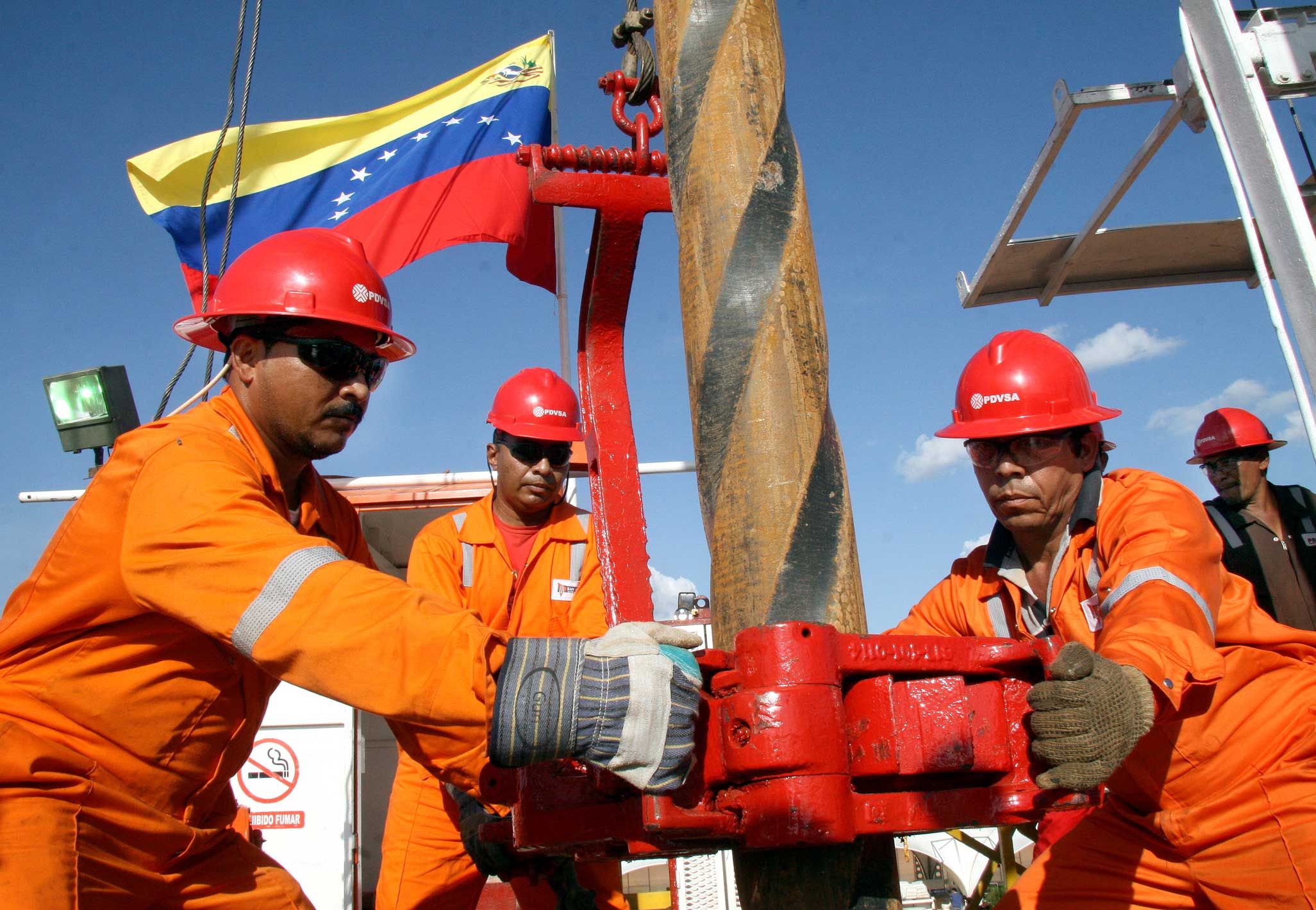 According to the text, the reform would allow privately owned companies domiciled in Venezuela to take part in “upstream” activity through contracts with the state
 Venezuela’s National Assembly has approved, in a first reading, a reform to the country’s Hydrocarbons Law that would expand private participation in crude production and marketing—an important shift from the long-running “mixed-company” model in which the state held majority stakes. The bill still requires a second reading before it can become law, EFE reported.
According to the text and the rationale presented in parliament, the reform would allow privately owned companies domiciled in Venezuela to take part in “upstream” activity through contracts with the state, while also enabling producers to market crude directly. The draft also adds provisions allowing disputes to be handled in Venezuelan courts or through mediation and independent arbitration mechanisms.
A politically sensitive element is the state take linked to output. The proposal lowers the applicable percentage to 15% in certain cases when mixed ventures operate, while maintaining other thresholds for private operators—changes that opposition lawmakers argue are being rushed through without adequate debate.
Opposition figures have broadly backed the idea of attracting investment and restoring output, but they challenged the process. Lawmaker Stalin González wrote online that his caucus had not received the bill ahead of the session. Henrique Capriles called for an open discussion: “We would like to know the scope of the new energy agreements and what they want to change in the law. Let’s not be afraid of an oil debate in this country.”
The legislative push comes amid heavy pressure on Venezuela’s oil sector and rising interest from companies and trading houses. It has been described talks in Washington and competition among firms seeking a role in marketing crude exports and accessing stockpiled volumes.
In parallel, Delcy Rodríguez’s government has tried to signal political autonomy in its dealings with the United States. “If I had to visit Washington… I would do it standing, walking, not crawling,” Rodríguez recently said, framing upcoming diplomacy as a sovereignty test amid sensitive negotiations in parallel of opposition leader María Corina Machado's visit to the White House.
The second legislative debate will determine whether the government can lock in an opening that potential investors still tie to legal certainty and political risk—factors that, after past expropriations and long-running disputes with international oil companies, remain central to any long-term bet on Venezuela.

Top Comments
Disclaimer & comment rulesCommenting for this story is now closed.
If you have a Facebook account, become a fan and comment on our Facebook Page!