MercoPress. South Atlantic News Agency

Delcy Rodriguez meets Repsol, Chevron and Shell as Venezuela pushes oil law overhaul to draw investment
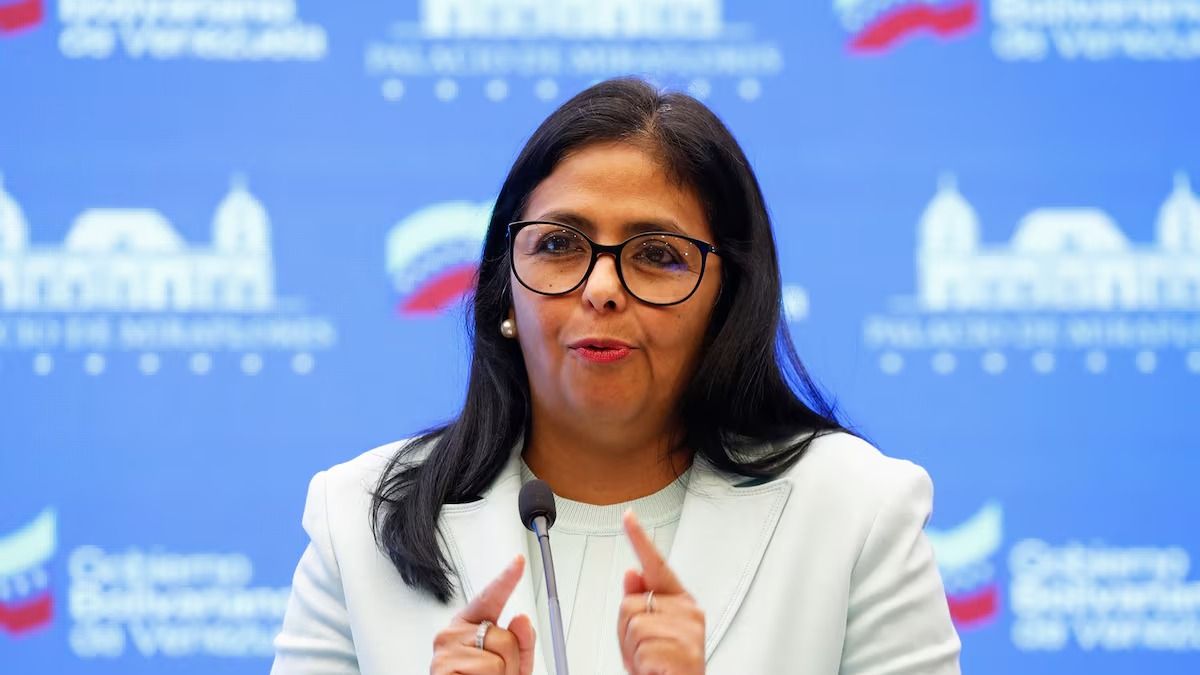 Rodriguez said the draft is a “sovereignty-respecting” framework aimed at turning Venezuela into a “giant producer” of hydrocarbons with private investment
 Venezuela’s acting president Delcy Rodriguez met on Monday in Caracas with representatives of oil companies including Repsol, Chevron and Shell to discuss a hydrocarbons law reform now moving through the National Assembly, as her government seeks to attract private and foreign investment. The meeting took place at PDVSA facilities and forms part of a mandatory public consultation phase after the bill cleared its first legislative debate.
In remarks aired on state television, Rodriguez said the draft is a “sovereignty-respecting” framework aimed at turning Venezuela into a “giant producer” of hydrocarbons with private investment. She added that authorities expect to secure a “significant flow” of international and domestic capital, as the government seeks to reset rules for investment and boost output.
Chevron said it was “ready to continue contributing” expertise and technology to help build a more competitive oil and gas sector, according to EFE’s account of comments by Chevron’s representative in Venezuela, Mariano Vela. Rodriguez defended what she called a successful model of productive participation contracts and said 29 such contracts are currently in place, instruments the government links to the 2020 anti-blockade law designed to navigate international sanctions.
The talks come amid a broader, fast-moving political and diplomatic backdrop. International reporting has described a new channel between Washington and Caracas shaped by US President Donald Trump’s stated interest in Venezuelan crude and oil sales arrangements. Reuters reported that Rodriguez said $300 million had already entered Venezuela from an initial $500 million crude sale agreement.
At the same time, Rodriguez has tried to project domestic control while signaling openness to investors. On Monday, she said Venezuelans “do not take orders from any external actor” and that “this government obeys the people,” EFE reported. An Associated Press report earlier in January described Rodriguez as threading a line between sovereignty rhetoric and a pitch to expand foreign participation in the oil sector, as the Trump administration said it aims to influence how Venezuelan oil revenues are handled.
The reform push is also unfolding alongside scrutiny over political detentions and releases. Human rights groups have questioned the pace and totals of prisoner releases; an AFP report said NGOs verified only a fraction of the releases claimed by the government.
The bill’s next stage is a second, article-by-article debate, where amendments may still be introduced. For Rodriguez’s government, the objective is to lift investment and production while keeping state ownership of reserves intact. For critics and investors, the key test will be whether the new rules deliver legal clarity, transparency and enforceable guarantees in a country still marked by sanctions, institutional strain and deep political polarization.


Top Comments
Disclaimer & comment rulesCommenting for this story is now closed.
If you have a Facebook account, become a fan and comment on our Facebook Page!