MercoPress. South Atlantic News Agency


Venezuela’s legislature advances urgent amnesty law to free jailed protesters and critics
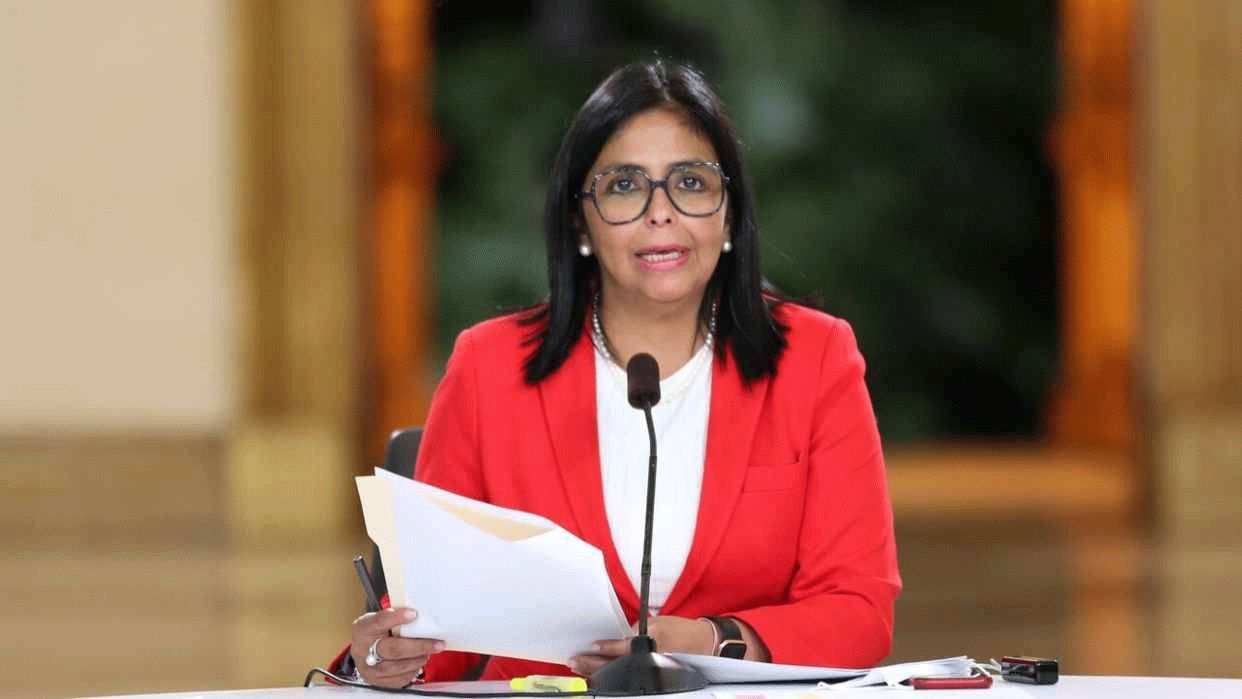 Rodríguez and government officials argue the measure is essential for “national reconciliation” after years of social and political strife
 Venezuela’s legislature is moving forward with a proposed amnesty law that would grant clemency to protesters and government critics jailed in recent years.
The amnesty bill, championed by interim President Delcy Rodríguez, is designed to pardon individuals detained for participating in political protests or criticizing public figures, provided they were not convicted of serious crimes such as human rights abuses or drug offenses, according to the draft. The legislation would also reverse certain asset confiscations and cancel international warrants like Interpol notices to allow exiles to return safely.
Rodríguez and government officials argue the measure is essential for “national reconciliation” after years of social and political strife, during which thousands of opposition activists and critics have been arrested. The initiative comes as part of broader political shifts following the removal of Nicolás Maduro, who was extradited to the United States on narcotics charges earlier this year.
Human rights organizations have documented several hundred releases of individuals categorized as political prisoners since January, though government figures differ and often lack detailed explanations of the reasons for release. Foro Penal reported that at least 383 political detainees had been freed, while roughly 680 others remained incarcerated.
Family members of detainees staged candlelight vigils in cities such as Maracaibo in the state of Zulia, where relatives urged swift enactment of the law. “We understand this amnesty could help restore coexistence in our country and drop unlawful charges against people unjustly detained,” said Wilson Labrador at a vigil for his brother outside a detention center.
The amnesty proposal must still pass the National Assembly, where Rodríguez’s coalition holds a majority, to become law. Observers note that translating the legislative intent into tangible freedom for detainees will require navigating Venezuela’s deeply criticized court system, which has long been dogged by concerns over transparency and political interference.


Top Comments
Disclaimer & comment rulesCommenting for this story is now closed.
If you have a Facebook account, become a fan and comment on our Facebook Page!