MercoPress. South Atlantic News Agency



Argentina’s lower house backs Milei labour reform bill without article 44
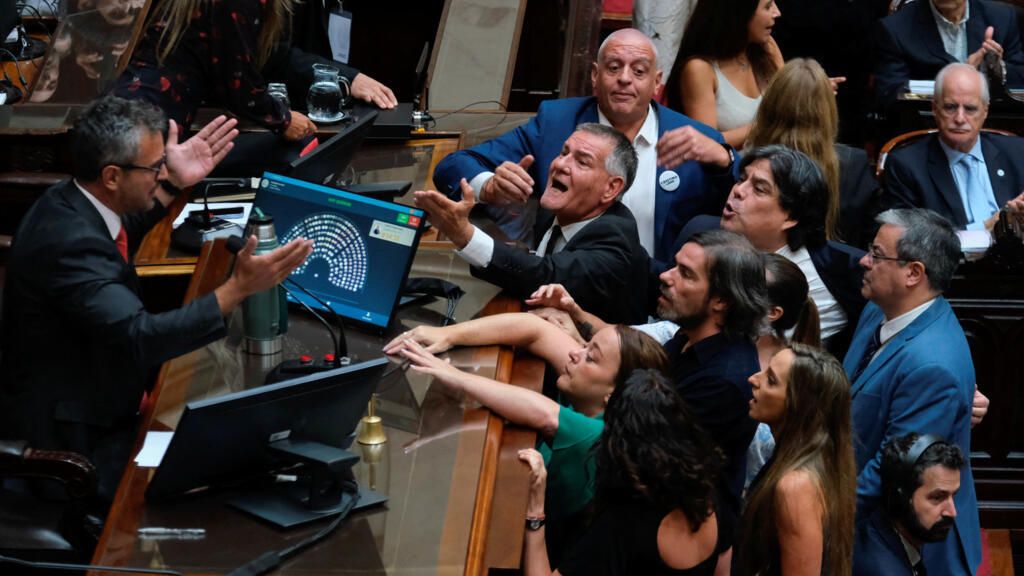 The bill passed the chamber with 135 votes in favour and 115 against, with no abstentions, according to local reports
 Argentina’s Chamber of Deputies approved President Javier Milei’s “labour modernisation” bill on Thursday, but with a last-minute change that removed article 44, one of the proposal’s most disputed provisions. Because the text was amended, it must return to the Senate for a final vote, a timetable the government wants completed ahead of the March 1 opening of the ordinary congressional session.
The bill passed the chamber with 135 votes in favour and 115 against, with no abstentions, according to local reports. The government managed to open the debate by scraping together the minimum quorum (129), relying on allied blocs and provincial lawmakers to reach the threshold.
The initiative arrived on the floor after clearing the Senate, but Deputies struck out article 44 — a clause that had become a flashpoint even among some government partners. The provision would have changed pay rules during “non-work-related” sick leave or accidents, setting reduced wage percentages depending on the circumstances.
Ahead of the session, Peronist lawmakers focused on preventing quorum. “Giving quorum is the same as voting,” they argued, betting that once debate began the government would have the numbers to push the bill through.
Once proceedings started, the debate featured sharp exchanges and renewed scrutiny of governors’ influence over provincial delegations. Parliamentary accounts said some lawmakers who helped provide quorum later voted against the bill at key stages.
Article 44 removed
Article 44 would have reduced wage payments during non-work-related sick leave, setting a 50% or 75% pay scheme for defined periods. Its removal in the lower house would leave the current sick-leave rules in place, according to technical breakdowns circulated during the public debate.
What the bill changes
The Deputies’ version keeps broader changes to collective bargaining (including ending “ultraactivity” and giving precedence to company-level or narrower agreements), strike rules that require minimum service levels for activities labelled essential, and working-time provisions such as a “hours bank” mechanism that can allow the workday to extend up to 12 hours under certain conditions.
It also includes measures aimed at promoting formal employment and revises aspects of severance and related payments, including the possibility of instalments in some cases.
With article 44 removed, the Senate will now have to decide whether to accept the change or insist on its earlier wording. The government is pushing to secure final passage before March 1, when Milei is due to address Congress at the start of the ordinary session.


Top Comments
Disclaimer & comment rulesCommenting for this story is now closed.
If you have a Facebook account, become a fan and comment on our Facebook Page!