MercoPress. South Atlantic News Agency


Venezuela passes unanimous amnesty law, excluding armed actions and serious crimes
 Rights group Foro Penal has said that, despite recent releases, hundreds of people remain imprisoned for political reasons in Venezuela.
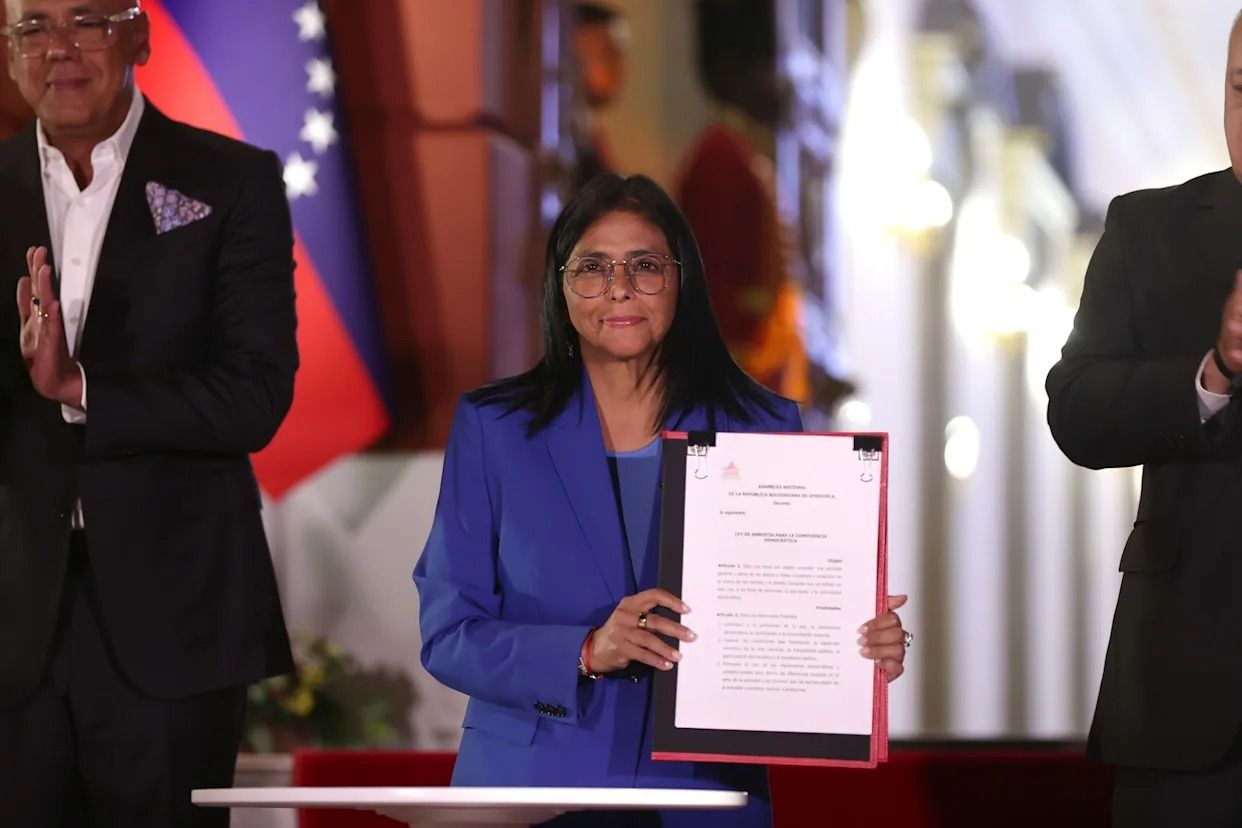
 Venezuela’s National Assembly unanimously approved an amnesty law on Thursday aimed at covering people prosecuted or convicted in political-crisis episodes between 2002 and 2025, a measure lawmakers said is designed to speed releases and close related court cases. The bill was sent to the Miraflores presidential palace for enactment and would take effect once formally published.
The text sets out explicit exclusions. Those who supported, facilitated, financed or took part in “armed actions” or coercive acts against citizens, sovereignty or territorial integrity — including actions backed by foreign states or corporations — are not eligible. The law also bars beneficiaries linked to serious offenses such as grave human-rights violations, crimes against humanity or war crimes, intentional homicide, drug trafficking and crimes against public assets, according to the approved articles.
Implementation is tied to 13 specific flashpoints of political and social unrest — including the 2002 coup, the 2002–2003 oil strike, protest cycles in 2014, 2017 and 2019, the 2023 opposition primary process, the 2024 presidential election unrest and the 2025 regional and legislative election context — though lawmakers also authorized a commission to review cases falling outside that list.
On the enforcement side, the law creates a parliamentary follow-up commission with authority to hire experts and monitor implementation. It also introduces a deadline: courts must review and grant amnesty measures within 15 days. For people abroad, the text allows requests to be filed through legal representation.
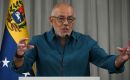
During the debate, ruling-party and opposition lawmakers framed the unanimous vote as a political signal, while disagreeing on scope and procedure. In the same session, Assembly Speaker Jorge Rodríguez said a separate “Law Against Hate” could be amended after what he described as cases of “misapplication,” an issue raised by families and civil-society groups.
The vote follows weeks of releases and sustained public pressure from relatives. Rights group Foro Penal has said that, despite recent releases, hundreds of people remain imprisoned for political reasons in Venezuela.


Top Comments
Disclaimer & comment rulesCommenting for this story is now closed.
If you have a Facebook account, become a fan and comment on our Facebook Page!