MercoPress. South Atlantic News Agency



UK government actions to help families with impact of the cost of living
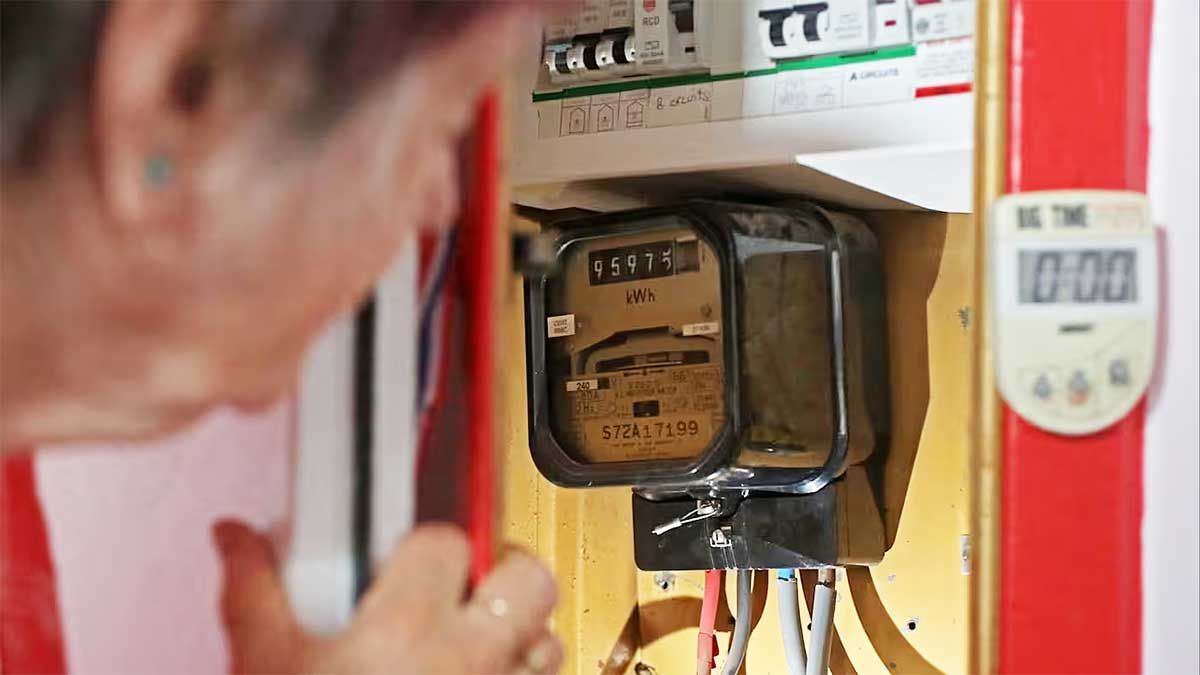 Energy regulator Ofgem has now confirmed the energy price cap for April will fall by 7%.
 UK Labour government is taking action to help families with the cost of living, “We know that families across the country are feeling the impact of the cost of living - it’s the number one issue impacting working people.
“It’s why we’re taking action to reduce everyday costs, whether it’s freezing rail fares and prescription charges or increasing wages and lowering energy bills. We are taking practical steps to help ease the pressure.” Details of support delivered,
An average of £150 off the costs of energy bills, in the Autumn Budget it was announced that an average of £150 off the costs of energy bills would begin from April. Energy regulator Ofgem has now confirmed the energy price cap for April – which limits the amount customers on standard variable tariffs pay for each unit of gas and electricity – will fall by 7%.
This support is on top of the Warm Home Discount Scheme - a one-off £150 discount off your electricity bill - a total package of £300.
Pay boost for millions of workers, 2.7 million workers will receive a 4% pay rise from April this year, as both the National Living Wage and National Minimum Wage increase.
That means that full-time workers on the National Living Wage will see a rise of £900 a year, while full-time workers on the 18-20 National Minimum Wage rate will see a £1,500 rise.
Rail fares frozen. For the first time in 30 years, we have capped rail fare increases across England and parts of Wales for 2026.
Prescription charges staying under £10. For 2026, the cost of prescriptions in England will stay under £10, keeping essential medicines affordable. Prepayment Certificates and existing exemptions remain unchanged.
State Pension increase. From April 2026, the New State Pension will increase by 4.8%, benefiting millions of pensioners with above-inflation payments. This boosts the full New State Pension to £241.30 weekly (£12,547.60 annually).
Removing the two-child limit on Universal Credit. From April 2026, the two-child limit on Universal Credit will be removed so that families can receive Universal Credit support for all their children, regardless of family size.
Up to 30 hours of government-funded childcare. Eligible working parents in England can get up to 30 hours a week of government-funded childcare for 38 weeks of the year, for children aged 9 months up to school age. This support helps with the cost of childcare and makes it easier to juggle work and family life, saving you up to £7,500 per year.
Free breakfast clubs for primary school children. Free breakfast clubs are rolling out to every primary school in England. Since April 2025, it has delivered 5 million meals through our free breakfast clubs early adopter scheme. As well as helping children thrive academically and socially, breakfast clubs give parents and carers more choices in childcare, and support working families with the cost of living – putting up to £450 a year back in parents’ pockets.
The UK rate of inflation dropped to 3% in the year to January, down from 3.4% in December, according to the Office for National Statistics (ONS).


Top Comments
Disclaimer & comment rulesCommenting for this story is now closed.
If you have a Facebook account, become a fan and comment on our Facebook Page!