MercoPress. South Atlantic News Agency



Oil jumps and shares fall as Iran warnings chill Strait of Hormuz traffic and shipping reroutes spread
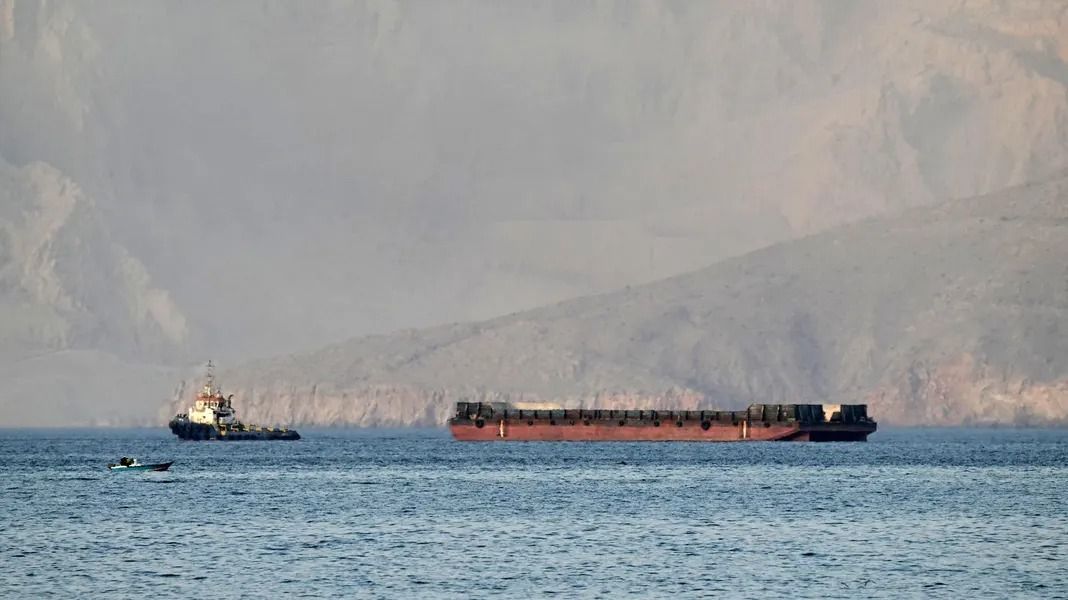 Energy analysts said pricing is now being driven by the probability that traffic through Hormuz remains constrained
 Global oil prices rose sharply on Monday and European equities fell as the regional conflict intensified, following attacks on vessels near the Strait of Hormuz and Iranian warnings to shipping in a chokepoint through which roughly a fifth of the world’s oil and gas trade moves.
Brent crude, the global benchmark, climbed by about 10% in early trading, briefly pushing above $82 a barrel before paring gains. European gas prices also surged, while gold —a traditional safe-haven— advanced as investors moved away from risk assets.
Equity markets opened lower across Europe. London’s FTSE 100 slipped, while larger declines were seen in major euro zone indices. Airline and travel-linked stocks were among the biggest fallers as parts of Middle East airspace remained restricted, while energy and defence names outperformed.
The market reaction was reinforced by fresh evidence of disruption to maritime flows. The UK Maritime Trade Operations (UKMTO) centre said two vessels had been struck and an “unknown projectile” was reported to have exploded in close proximity to a third in the wider area.
Energy analysts said pricing is now being driven by the probability that traffic through Hormuz remains constrained. Analysts warned Brent could move towards triple digits if the strait is effectively shut for a sustained period, though some volumes can be rerouted through pipelines in Saudi Arabia and the UAE.
Against that backdrop, OPEC+ agreed a “modest” supply increase of 206,000 barrels per day from April. Analysts questioned whether the step would meaningfully offset any significant loss of seaborne flows through Hormuz.
Shipping lines have also begun reshaping routes. Maersk said it would pause future Trans-Suez sailings through Bab el-Mandeb and reroute services around the Cape of Good Hope due to the deteriorating security situation, signalling longer transit times and higher logistics costs.


Top Comments
Disclaimer & comment rulesCommenting for this story is now closed.
If you have a Facebook account, become a fan and comment on our Facebook Page!