MercoPress. South Atlantic News Agency



Experts say BR privatization weakened Brazil’s ability to contain fuel prices
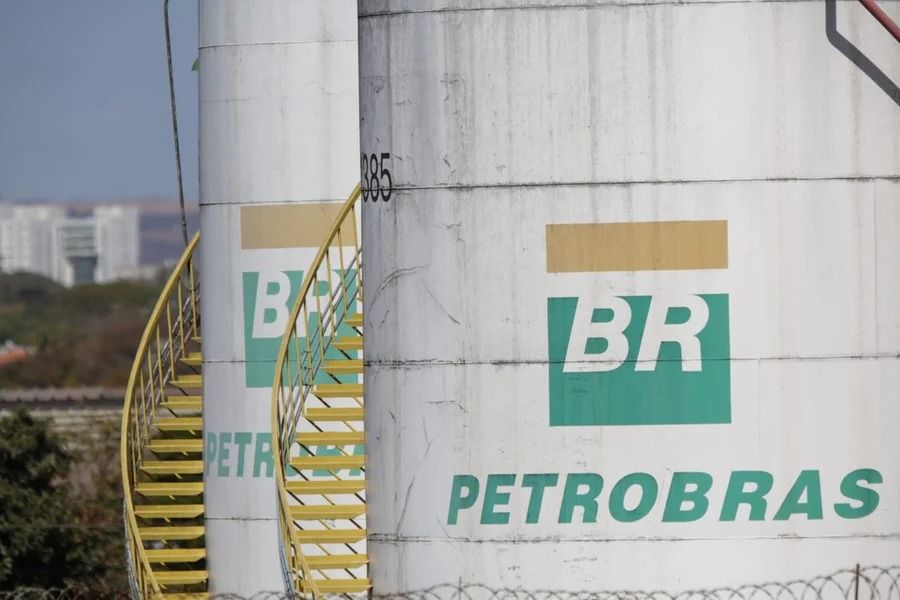 Petrobras lost control of BR Distribuidora in July 2019, and the full privatization was completed two years later under then president Jair Bolsonaro
 According to a report by Agência Brasil, industry specialists and oil-sector groups say what they describe as abusive fuel price increases in Brazil are not explained by international volatility alone. The report cites cases of gasoline being sold for R$9 a liter at some stations in São Paulo and links part of the distortion to the loss of state control over the distribution chain after the privatization of BR Distribuidora.
Sources interviewed by Agência Brasil argued that Petrobras’ exit from fuel distribution removed a strategic mechanism that could have softened price spikes during crises. Deyvid Bacelar, general coordinator of the Federação Única dos Petroleiros, told the agency that distributors and retailers had pushed up pump prices with markups of around 40%, while defending the former model of a vertically integrated oil company operating across the entire chain.
A similar view came from Geraldo de Souza Ferreira, a petroleum engineering professor at Fluminense Federal University, who told Agência Brasil that removing a public company from such a critical segment strips the state of institutional tools for intervention. He said oil and refined products are strategic for energy security and argued that, unlike private firms driven by financial returns, public companies also carry a social function.
At the same time, Vibra Energia, the company that bought BR Distribuidora, reported net profit of R$679 million in results released on March 11. In that statement, chief executive Ernesto Pousada said the company had delivered consistent margin growth throughout the year and a recovery in market share.
Petrobras lost control of BR Distribuidora in July 2019, and the full privatization was completed two years later under then president Jair Bolsonaro. The sale moved ahead without prior congressional approval because Brazil’s Supreme Federal Court held in 2019 that the sale of controlling stakes in subsidiaries of state-owned companies did not require specific legislative authorization, unlike the sale of the parent company itself.
In response to the latest oil shock, the Brazilian government cut PIS/Cofins taxes on diesel to zero, an estimated R$0.32-per-liter reduction, and issued Provisional Measure 1.340, authorizing an additional R$0.32-per-liter subsidy for producers and importers. The package is meant to neutralize R$0.64 per liter across the chain, strengthen ANP oversight and tighten monitoring of price formation. In a meeting with the government on March 12, private distributors also suggested Petrobras should expand diesel imports to help secure supply and price stability.


Top Comments
Disclaimer & comment rulesCommenting for this story is now closed.
If you have a Facebook account, become a fan and comment on our Facebook Page!