MercoPress. South Atlantic News Agency


Rafael Correa in Uruguay: controversy over visit by convicted Ecuadorean ex-president
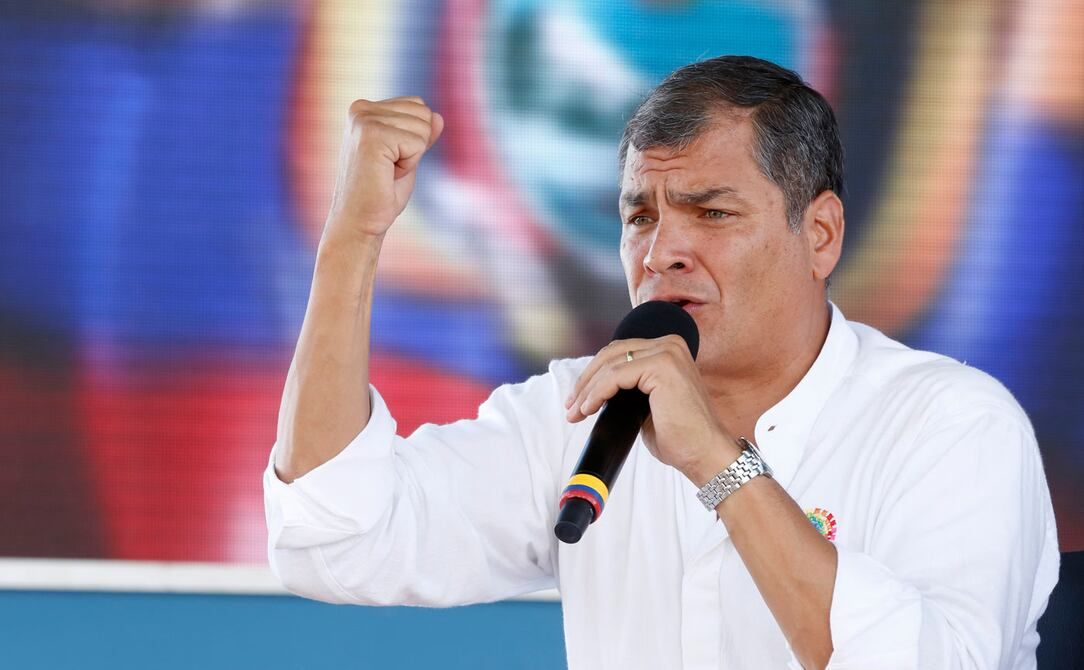 In April 2020, Ecuador’s National Court of Justice found him guilty in the Sobornos 2012-2016 case and sentenced him to eight years in prison for aggravated bribery
 Former Ecuadorian president Rafael Correa is in Uruguay, according to Uruguayan government sources cited by Montevideo daily El País. His presence prompted criticism from the opposition, while the government said that, for now, no formal meetings with executive branch authorities were planned.
Correa arrived through Carrasco airport and was received by former Frente Amplio senator Rafael Michelini. According to that outlet, the former president is taking part in a streaming program through which he plans to interview Uruguayan political figures, including Vice President Carolina Cosse and Frente Amplio chairman Fernando Pereira.
Uruguay’s public response has been framed in legal rather than political terms. Foreign Minister Mario Lubetkin said there had been no “difficulty” with Correa’s entry because no legal impediment appeared in the international systems Uruguay checks before authorizing entry into the country. He also said he was not aware, for the time being, of any official meetings with members of the government.
Correa’s presence in Montevideo brings renewed attention to his judicial situation in Ecuador. In April 2020, Ecuador’s National Court of Justice found him guilty in the Sobornos 2012-2016 case and sentenced him to eight years in prison for aggravated bribery, alongside other former officials and businessmen. The ruling identified him as an indirect perpetrator by instigation in a corruption scheme tied to irregular contributions and state contracts.
Two years later, in April 2022, the president of Ecuador’s National Court of Justice formally requested Correa’s extradition from Belgium so he could serve that sentence. The court later said, in May of that year, that the extradition file had been forwarded to Ecuador’s foreign ministry for official transmission to Belgian authorities.
According to El País of Montevideo, Belgium granted Correa political asylum that same year, under which he has since remained based in Europe. That background helps explain why his arrival in Uruguay does not automatically trigger migration restrictions, but it has revived political debate over the relationship between Uruguay’s new government and a figure who remains central to the Latin American left while also being highly controversial because of his conviction in Ecuador.


Top Comments
Disclaimer & comment rulesCommenting for this story is now closed.
If you have a Facebook account, become a fan and comment on our Facebook Page!