MercoPress. South Atlantic News Agency



Government targets faster state processes with new economic reform package
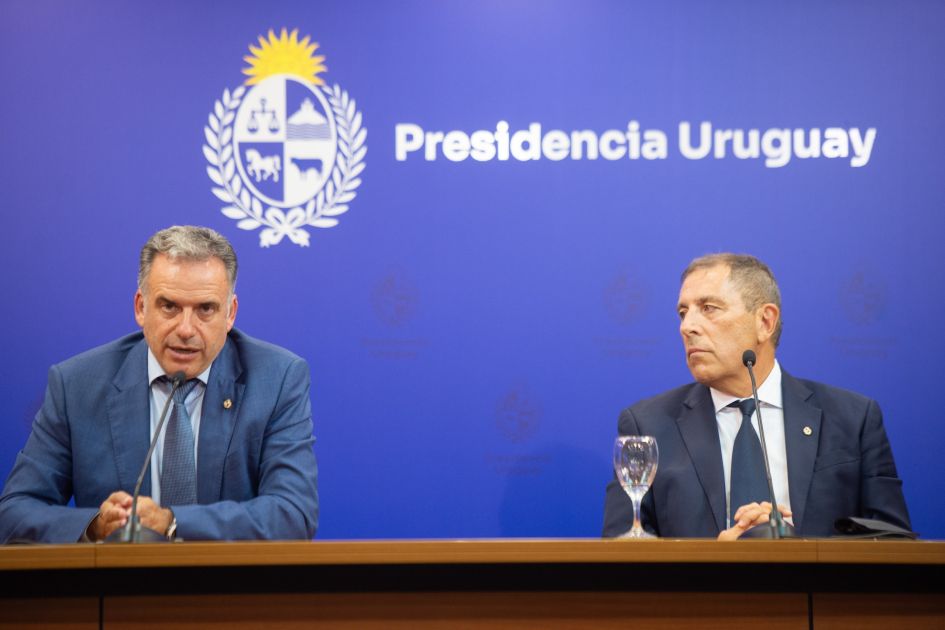 Oddone argued that the macroeconomic margin has already been largely exhausted and that the current bottlenecks lie in opaque price formation, slow procedures and overlapping controls
 Uruguayan President Yamandú Orsi and Economy Minister Gabriel Oddone said the government will send a competitiveness and innovation bill to Congress on May 31, focused on foreign trade, competition policy, innovation and administrative simplification. The initiative was launched alongside a call for unions, business chambers and academia to submit proposals by April 24.
The political core of the announcement was the government’s diagnosis of the internal frictions that make operating in Uruguay more costly. Orsi said the country is seen as “slow” and “expensive” and acknowledged that parts of the state “make things harder instead of simpler.” Oddone, in turn, stressed that this is not a deregulation drive but an effort to improve the regulatory framework so controls become more effective while bureaucratic costs fall.
The government’s wager is that competitiveness will not be rebuilt through the exchange rate, but through microeconomic reforms. Oddone argued that the macroeconomic margin has already been largely exhausted and that the current bottlenecks lie in opaque price formation, slow procedures and overlapping controls. In that framework, the bill will include tools such as sworn statements, broader use of administrative silence and recognition of certifications issued abroad in order to avoid duplicate checks.
In foreign trade, the executive also announced six administrative measures that do not require legislation and which, according to the Economy Ministry, could save companies about US$20 million a year. They include ending the tax authority’s prior intervention in import and export operations, shifting to ex post controls, and removing paper documentation from customs procedures in favor of a fully electronic system.
Other measures include allowing certain import-related tax payments to be deferred within the same clearance month, cutting physical customs inspections based on risk analysis, removing electronic seals for some certified operator chains and simplifying control tools for rail freight. The package is designed to reduce logistics delays, improve cash flow and lower operating costs, especially for small and medium-sized firms.
The announcement also fits into a broader line already opened in the 2025-2029 budget. The explanatory memorandum to the budget bill had already flagged measures to review charges and simplify foreign-trade documentation, with effects on a large share of operations. Changes already in force since January include fee reductions and tax adjustments aimed at lowering the cost of exports, imports and investment.
The government’s signal is twofold: domestically, it is acknowledging that bureaucracy has become an economic cost; externally, it is trying to show that Uruguay wants to become more agile without dismantling its regulatory structure. The open question is whether that package of corrections can translate into more investment and jobs, which is the outcome Orsi pointed to when arguing for a state that is less obstructive and more useful to private activity.


Top Comments
Disclaimer & comment rulesCommenting for this story is now closed.
If you have a Facebook account, become a fan and comment on our Facebook Page!