MercoPress. South Atlantic News Agency


Analysts warn $200 oil is no longer a far-fetched scenario
 The International Energy Agency (IEA) has described the crisis as “the greatest threat to global energy security in history.”
 Oil prices could surpass $150 per barrel and approach $200 if the Strait of Hormuz blockade persists, according to energy industry analysts — a level that would make a global recession virtually inevitable.
With Brent crude trading around $110–120 per barrel — up 70% from before the war began on February 28 — and natural gas prices doubling to over $60 per megawatt hour, the International Energy Agency (IEA) has described the crisis as “the greatest threat to global energy security in history.”
Wood Mackenzie analysts said Brent could soon reach $150 and that $200 is not “outside the realms of possibility” in 2026. Scott Modell, CEO of Rapidan Energy, warned that this scenario is “very likely” if fighting continues for another month and Tehran keeps using missiles, drones and mines against regional oil infrastructure. “There is no way oil prices can stay at $150 per barrel for an extended period without posing a serious risk to the global economy,” Modell said.
According to International Monetary Fund estimates, each sustained 10% increase in oil prices adds 0.4 percentage points to global inflation and reduces economic growth by 0.15 points. At $150 per barrel, global inflation could spike to around 6% and the world economy would enter recession. The Dallas Federal Reserve estimates that an interruption of Hormuz flows through June would cut global growth by 2.9 annualised percentage points in the second quarter.
The crisis has deepened following Israel's strike on Iran's South Pars gas field and Iranian retaliatory attacks on energy facilities in Saudi Arabia, Kuwait and Qatar, where the Ras Laffan complex — the world's largest LNG plant — was damaged. The IEA calculates that crude and product flows through Hormuz have fallen to less than 10% of pre-conflict levels, the largest supply disruption in the history of the oil market.
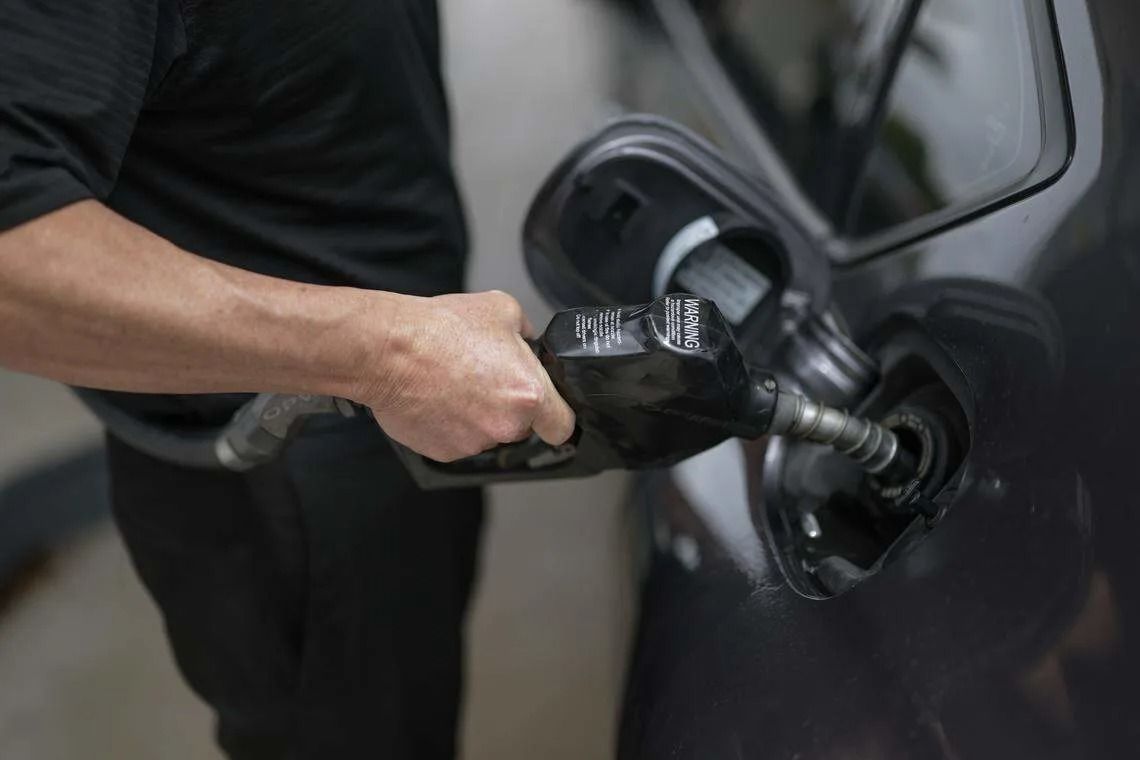
For consumers, the impact is already direct. In the United States, gasoline prices have risen more than 30% since the start of hostilities. The IEA has recommended emergency measures including three additional days of remote work per week, a 40% reduction in business flights, free public transport and highway speed limit reductions of at least 10 kilometres per hour.
The IEA's 32 member countries approved the release of 400 million barrels from strategic reserves, the largest in the agency's history. However, analysts warn those volumes cover only about four days of global consumption and cannot replace the reopening of the strait. “This feels like a small bandage on a large wound,” energy analyst Naif Aldandeni said.
Central banks face a stagflation dilemma: fighting a recession that calls for lower rates alongside inflation that demands higher ones. The European Central Bank has already postponed its planned rate cuts.


Top Comments
Disclaimer & comment rulesCommenting for this story is now closed.
If you have a Facebook account, become a fan and comment on our Facebook Page!